| The exhibition opens in June 1941, at the time of the invasion of the Soviet Union and Soviet held territories, and looks first at the responses of Jewish partisan groups based in forests to the orchestrated mass murder perpetrated by the Nazis and their collaborators in places such as Lithuania and Belarus.
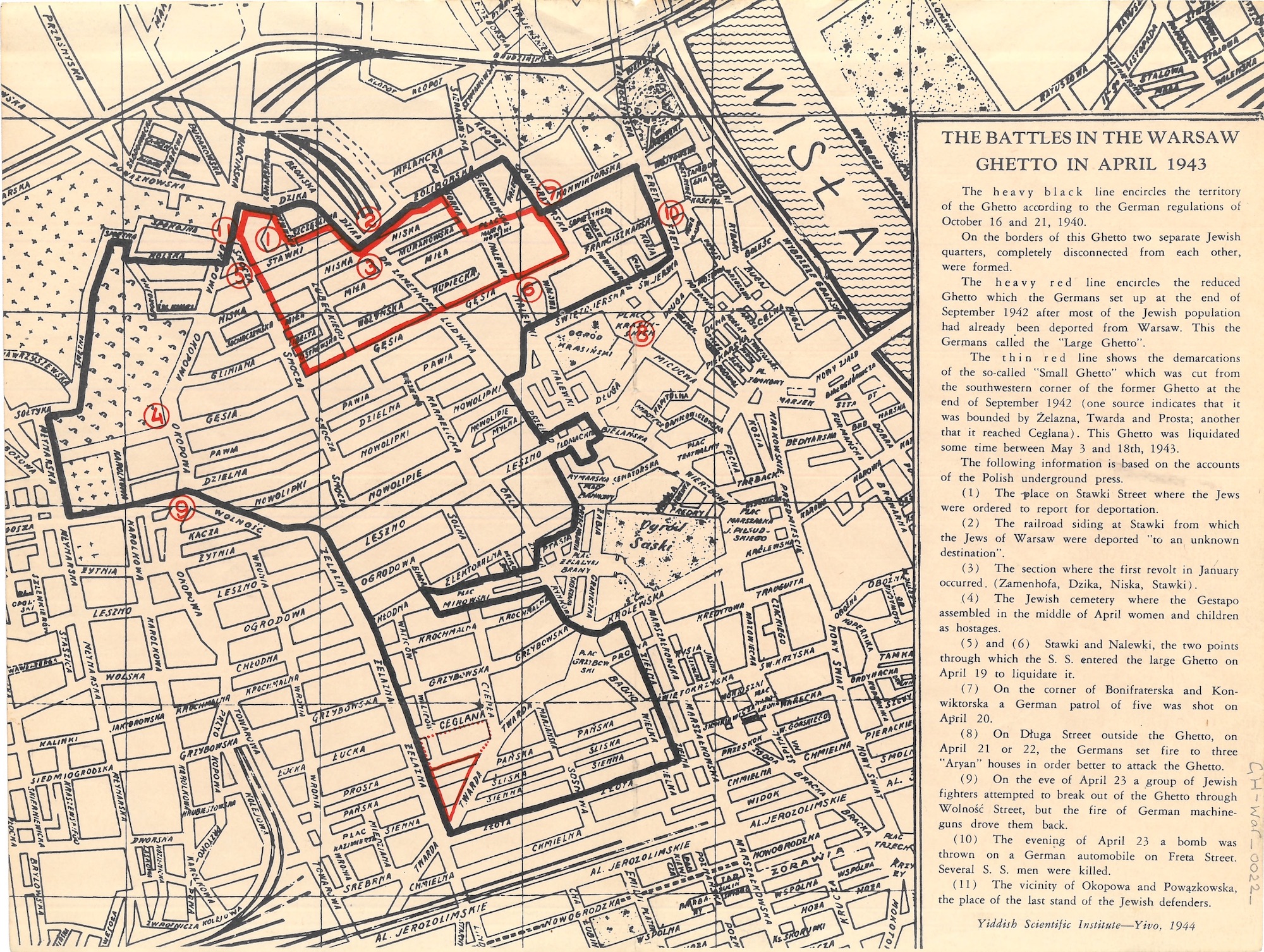
The exhibition then examines Jewish resistance to the Holocaust across various sites in Nazi-occupied Europe including ghettos and camps, as well as considering urban resistance by armed groups and rescue networks in cities such as Paris, Berlin, Vienna and Brussels.
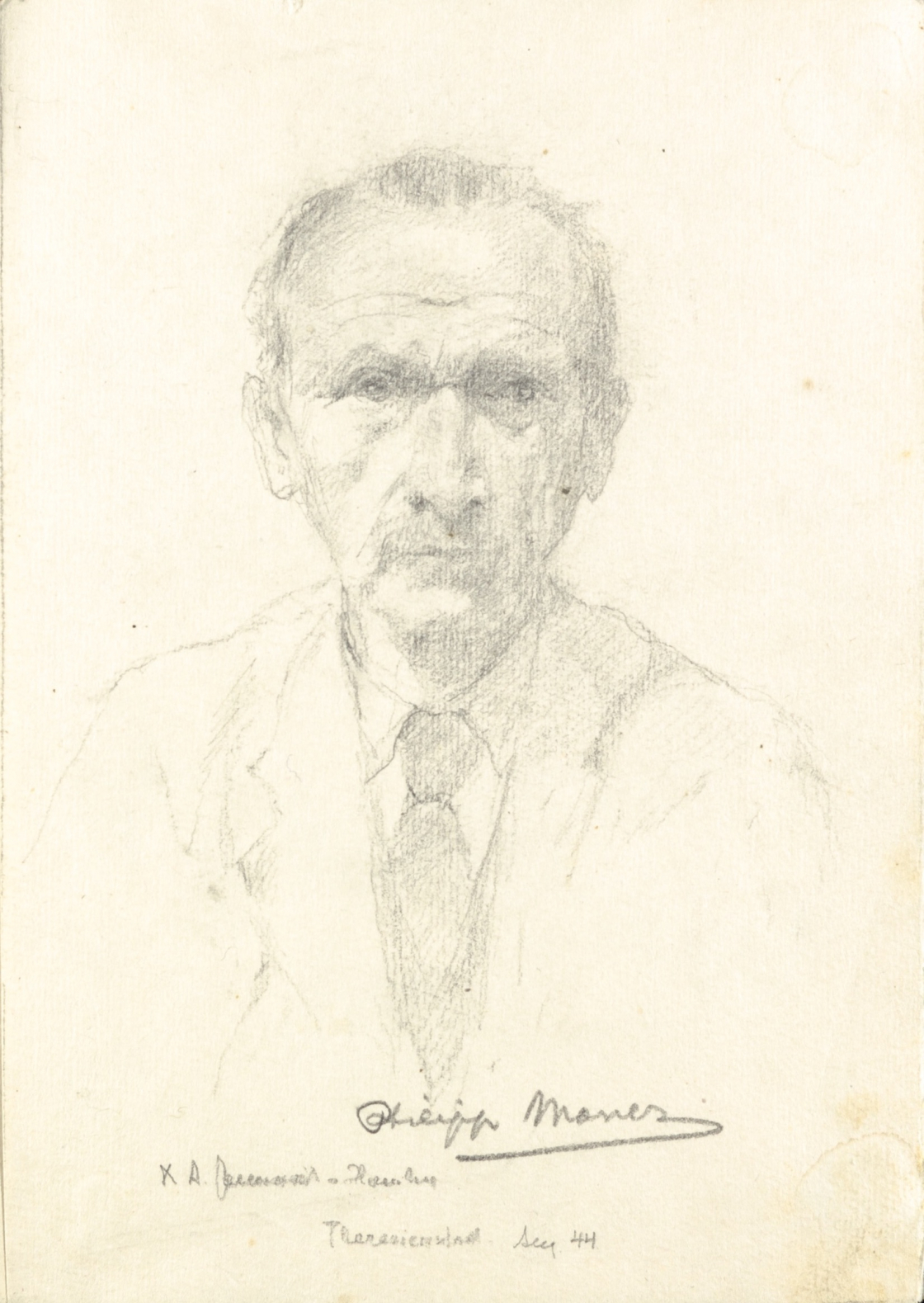
In various places, the exhibition considers what can be termed spiritual resistance to the Holocaust. It explores how, in the most adverse of circumstances, through the maintenance of covert religious practices, the creation of illicit personal or historical records and attempts to survive in hiding, Jews sought to subvert the Nazis’ policies of annihilation.
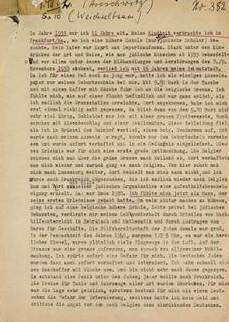
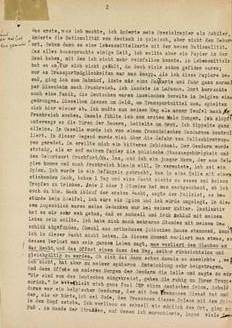
As I have worked on the exhibition, it has been a privilege to learn more about the stories of Jewish resistance that lie behind the Library’s collections on this subject, and, ahead of the opening of the exhibition, we share some of the documents that will be on display below. |





 Martin Plaut