Source: Politically correct
By Abkilesh Kolch
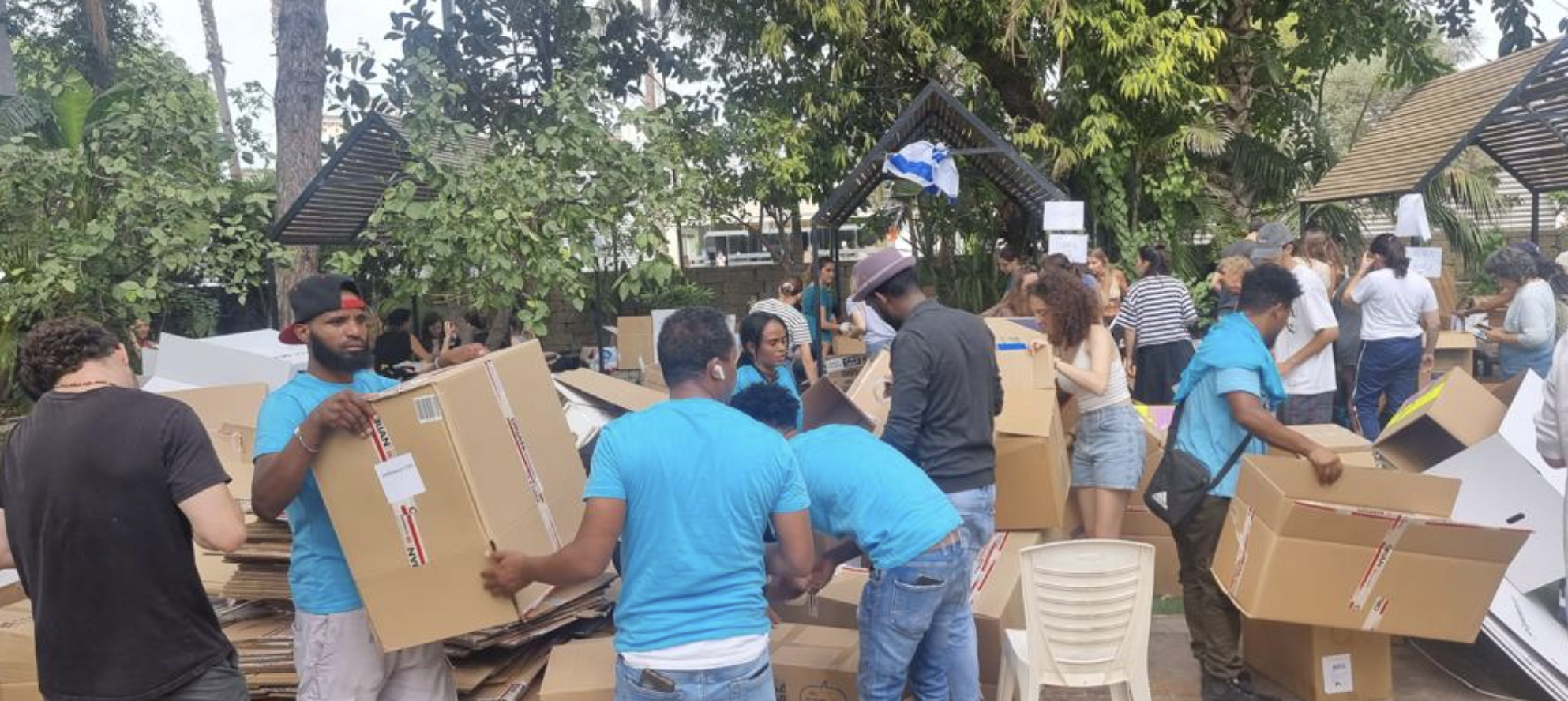
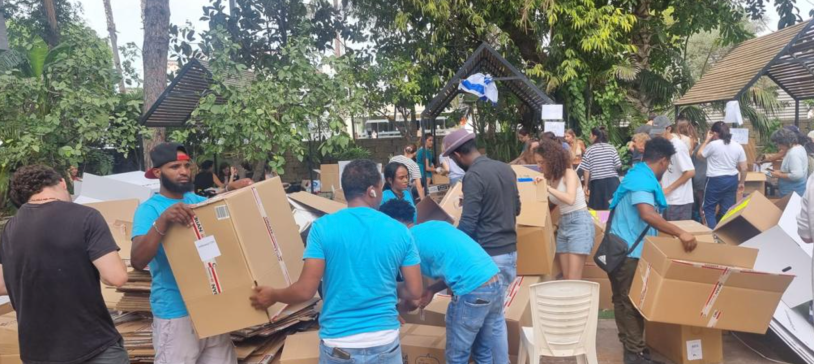
On Sunday, the second day of fighting, a mass organization began in Dizengoff Square to collect food and clothing. The residents of the city came out to help, with packaging, transportation and sorting and in this comforting mess, the television cameras suddenly pick up people with blue shirts. When I got closer, I realized that they were asylum seekers from Eritrea. Involuntarily, I smiled. Here is not only the people of Israel but also those who sit in it roll up their sleeves and stand together.
The governmental system rarely functions, does not provide the support the army needs to deal with the Hamas surprise attack, with the disastrous results and with the management of the war. But the public, the civil society, and the citizens have been fulfilling the role of the state since the beginning of the battles and with all their might fills the gaps themselves.

For the citizens of Israel, Israel remains their country. In good times and in bad times and in times of depression, we are not really surprised to see the Israeli public rolling up its sleeves, launching rapid aid operations and transporting food, clothing, toiletries, military equipment and anything else that the people at the front (and not only ) need it.
So today, Monday and the third day of the war, I also decided to go out and help a little. At noon I arrived at the hangar in Tel Aviv and here, too, are dozens of asylum seekers from Eritrea, wearing blue shirts, sorting, loading boxes onto vehicles, handing out food, handing out water .
I turned to one of them, his name is Sammy, I asked about the shirts, and where is he from? He told me that he came from Ashkelon to volunteer and help. When I asked to interview him, Sami referred me to Barhani, the man behind the initiative.
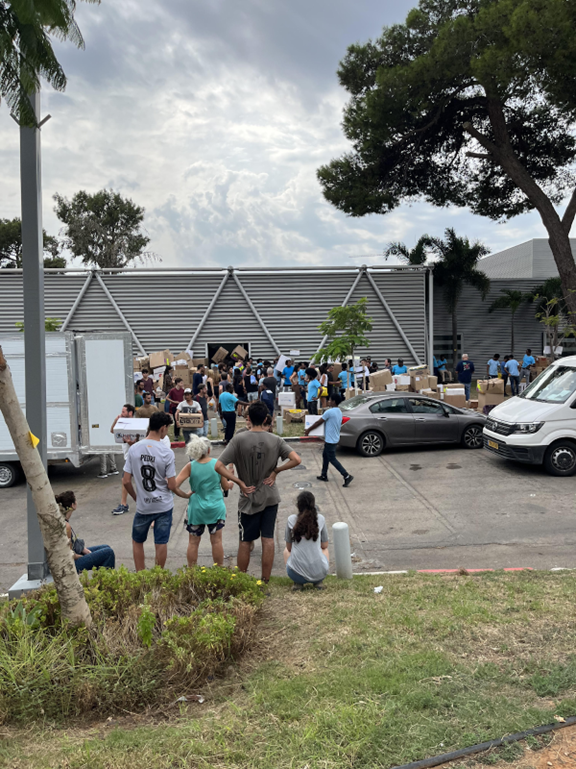
Expo was painted blue
Berhani Ngosa, 34 years old, resident of Jerusalem, married and father of two girls. At the beginning of the conversation he announced “I am an Eritrean asylum seeker and also a citizen”, he has lived in Israel for about 15 years. Berhani is the chairman of the “Tikva Hadada” – New Hope, an association for asylum seekers, which he founded along with 12 other friends. Today, during the war, they set themselves the goal of coordinating and leading the array of volunteers.
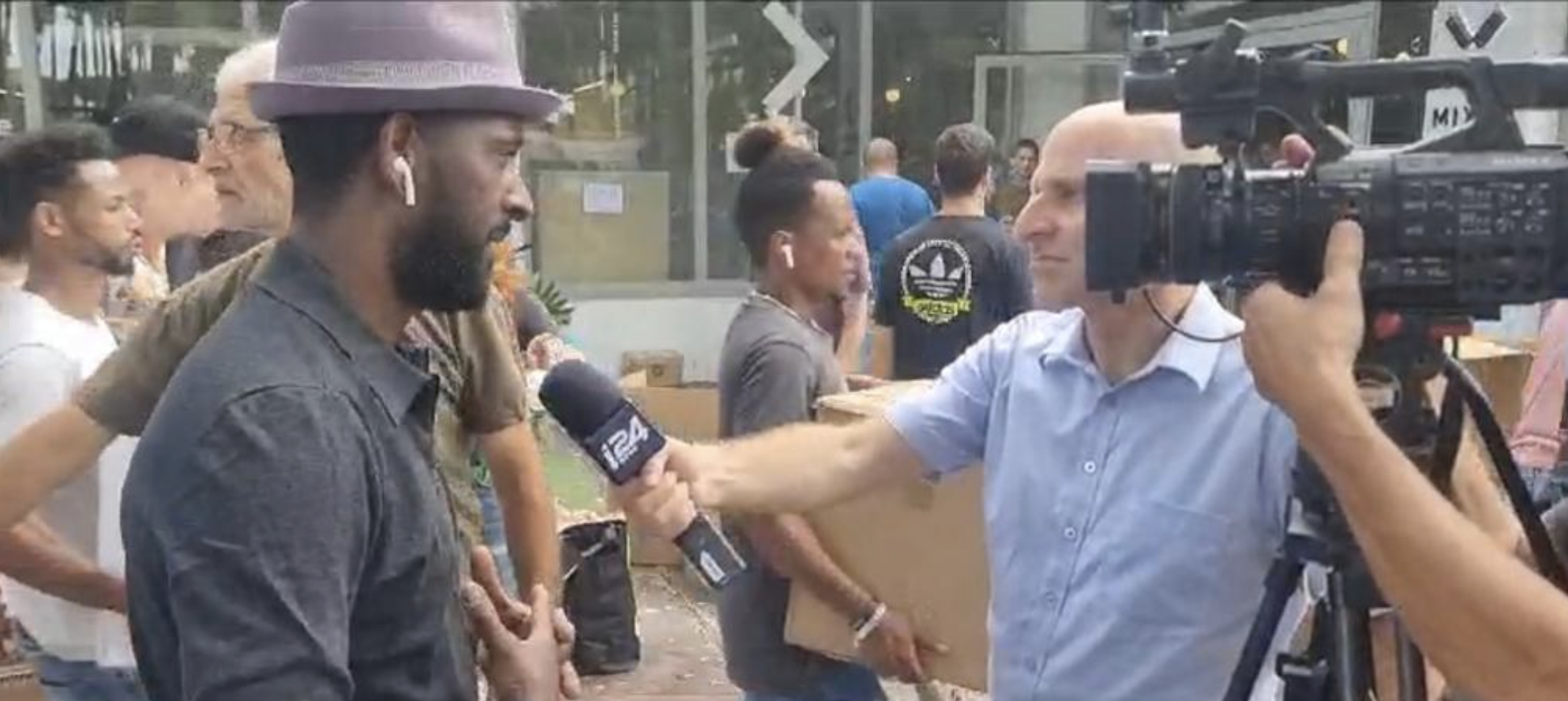
Berhani says that on Sunday morning he received an email to help with the organization of clothing and food from members of the “Brothers in Arms” organization, he responded to the request and even brought with him several dozen friends who live in Tel Aviv and later when he needed more “hands” he called other acquaintances and friends from the city. Berhani says that the number of volunteers reached about 150 Eritrean volunteers, residents of Tel Aviv who helped in the various centers in the city.
Today, according to Berhani, 165 people from three different cities arrived at the expo: Ashdod, Ashkelon and Netanya, in order to allow the volunteers from Tel Aviv who worked all day yesterday to rest. They plan to continue the initiative until the end of the war, he says, when each time Eritreans from different cities will come to volunteer in Tel Aviv and Petah Tikva.
Behrani says that the color is accidental and not related to the events that took place about a month ago, between supporters and opponents of the Eritrean regime. Yesterday an Israeli friend asked for work shirts so that the volunteers wouldn’t get their clothes dirty and that friend brought blue shirts. When I asked about the Eritrean political issue, Berhani informed me that this is not the time for politics, but that they suggest to anyone who is interested – to volunteer.
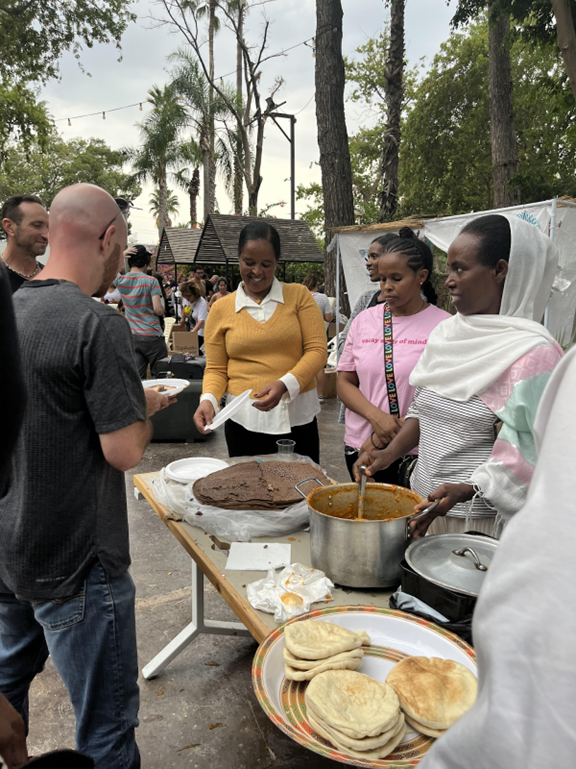
Most of the volunteers are men, the women stayed at home with the children. But in the morning hours, Berhani says, 15 women arrived who were responsible for food and feeding the volunteers in the compound. They returned home to their families but immediately another female shift arrived with the most comforting food there is: injera.
A Shared Destiny
“The State of Israel is our country, it is bleeding and we will not stand aside, we will do everything we can and where necessary,” says Berhani. He says that also in Ashdod and Ashkelon, houses of community members were hit by missiles. “This is the time, this is the moment that the whole world should stand with the people of Israel, this is what we understand and this is what we are doing,” Barhani concludes our conversation.
Thank you to you and to you Sami, Emmanuel, Berhani and to all the men and women I met today and to all those who were yesterday and those who will be tomorrow.
 Martin Plaut