
By: Yitayal Andualem Ademe
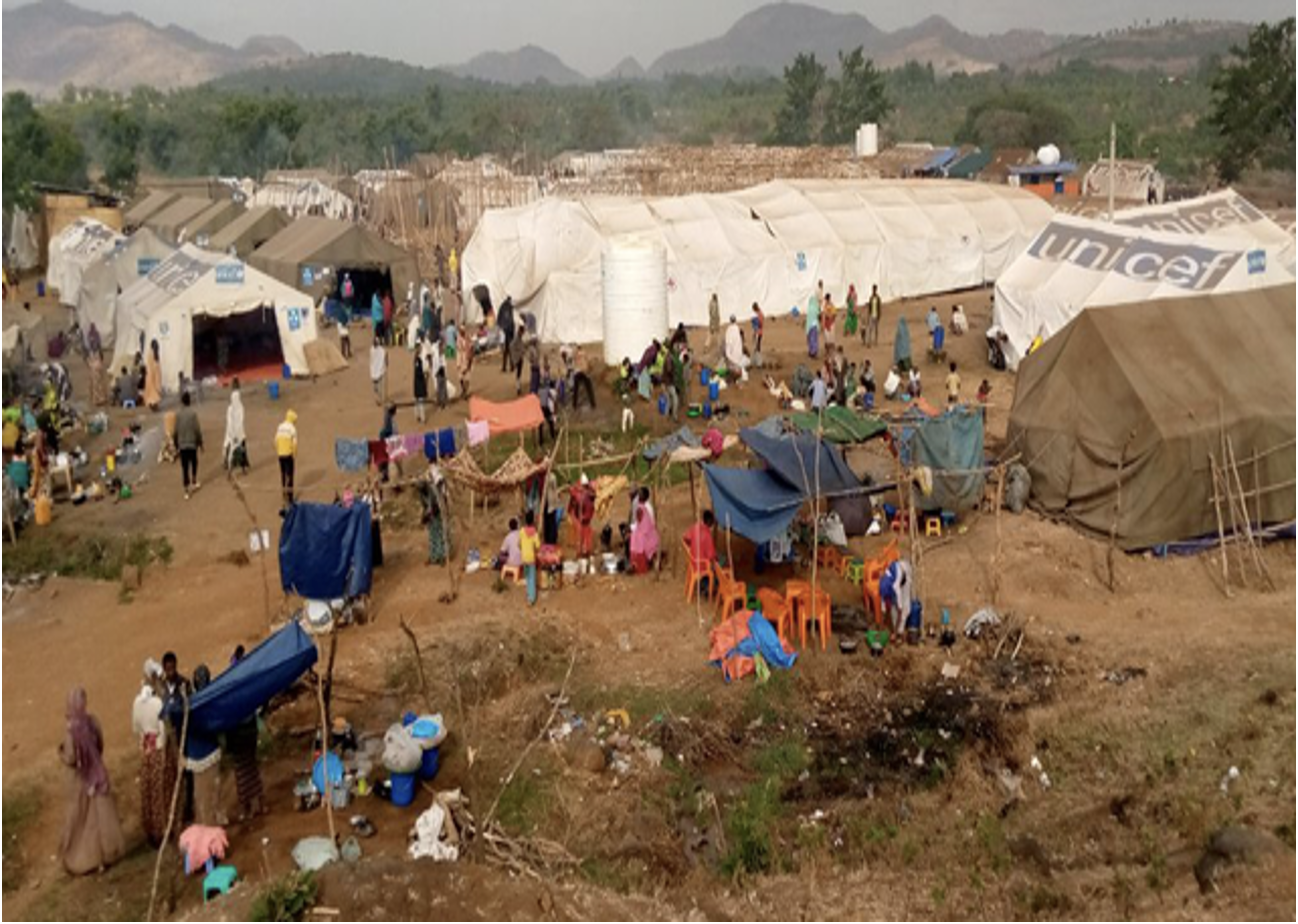
Mainly war in Northern Ethiopia triggered humanitarian and economic crises in Ethiopia. Ethiopia’s humanitarian crisis is one of the world’s largest, with over 21 million people seeking aid. Over 4 million people are internally displaced and 15 million are food insecure.
Millions of people faced a humanitarian crisis due to man-made and natural factors. Tigray and Amhara are some of the worst-affected regions and women and children are victims. This multifaceted crisis was mainly triggered by Abiy’s war against Northern Ethiopia, mainly in the Tigray and Amhara regions. What is the government doing?
Unfortunately, solving the humanitarian crisis is not the government’s priority agenda rather than duplicating new IDPs due to its war. Abiy’s regime has no intention of keeping silent with no war in Ethiopia due to his clear plan of staying in power by force.
To avert a multifaceted humanitarian crisis in Ethiopia, countries such as the United Kingdom pledged funds in millions. However, the question is, does Abiy’s government use that fund for humanitarian purposes or buy weapons as usual?
The answer is not ambiguous because Abiy’s region has no intention of helping vulnerable people even with aid funds rather than buying weapons to sponsor his recurrent war in Ethiopia here and there. There is clear evidence that Abiy’s regime stole aid. As a result, donors were suspended due to theft allegations against the Abiy’s regime.
Hunger and acute malnutrition outpace in several parts of the country and even people who had middle income are now struggling to survive due to skyrocketing living costs. Living costs are doubling because of overlapping factors such as war, Ethiopian currency inflation, and the government’s lack of intervention.
Food security conditions are expected to remain dire in the north, where households in Tigray, northeastern Amhara, and western Afar regions have seen conflict erode their livelihoods. Acute food insecurity is also expected in the Somali and Afar regions.
The economic situations situation of Ethiopia remains challenging and growth has rebounded after multiple shocks in recent years mainly due to war. Inflation remains high and foreign currency reserves remain low hindering even the import of basic goods.
Ethiopia faced serious humanitarian and economic crises that had not been seen in its history. However, Abiy’s regime is busy spending scarce taxpayer money and funds from donors to build his luxury palace which devours over $15 billion. Imagine what a crazy thing is Abiy’s regime doing at all in Ethiopia.
 Martin Plaut