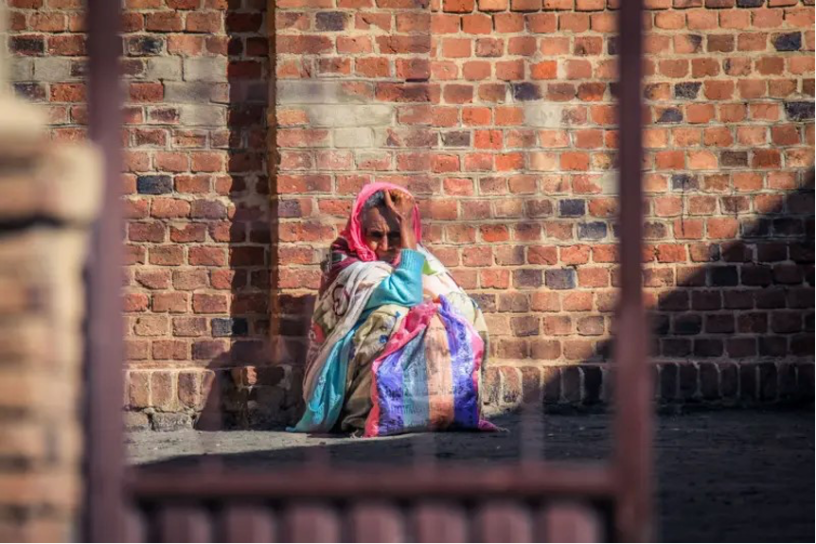
Source: BBC Tigrinya
An in-depth analysis of President Isaias Afwerki’s recent interview was posted on BBC Tigrinya Service on 6 Dec 2024. The analysis criticised his evident failure to address the real domestic issues Eritreans are reeling from.
“It is quite perplexing to hear the president waffle about ‘world politics’ for hours giving domestic affairs little consideration” stated the commentary.
According to the article, the main issues Eritreans are suffering from are:
- Extreme poverty, malnutrition and unemployment;
- Deteriorating health services;
- The neglected housing construction and bad land management;
- Absent rule of law, lack of protection of people’s rights and freedoms;
- Endless national service that is driving the youth to flee the country;
- Uninformed families of their fallen children in the Tigray conflict.
- … etc.
Moreover, here are some issues the article highlighted at random:
Dissolution of the National Assembly: The absence of the National Assembly, which approves major government policies and oversees the accountability of the committees led by the presidential, has created a huge political vacuum in the country. There is no free press or civil society to ensure accountability or promote the rights of Eritreans.
Absent Cabinet: The cabinet, which is said to have been close to the president, has been unceremoniously dissolved as an institution for years.
Avoidance of real issues: The real questions the people of Eritrea have regarding their plight, and concerns Eritreans living abroad amplify are never addressed during the president’s marathon interviews.
Casually mentioned national issues: Among the main issues he addressed were the importance of managing water, transportation, energy, trade and investment just for the sake of it without providing clear objectives.
Poverty: Only one in five children in Eritrea receives the minimum level of nutrition, according to the United Nations Children’s Fund. The neglected rural population is suffering from poverty due to drought, inflation, and absence of care providers.
It is to be remembered the time when the president got fed up with the complaints of the ‘petulant’ and misery-stricken public and snapped at them to ‘tighten their belts’ and move on.
People still remember what he said back in 2011. He declared, “There was no famine last year, there is no famine today, there will be no famine tomorrow, after tomorrow, there will be no famine in Eritrea.”
In 2021, in the list of countries by Human Development Index, Eritrea ranked 176th out of 191 countries.
Urban decay: Eritreans living in the cities have not been able to escape the worsening misery they see around them.
The unusual scenes in the capital Asmara are clear indications of the situation of the residents of the city. Mothers begging with children on the streets of the city are not hidden from the eyes of tourists and residents of the city.
Children sleeping rough on the streets is also one of the most disturbing images of life in Asmara.
Asmara: the city’s area resulted from various planning phases between 1893 and 1941, and is protected as a World Heritage property. That has become a tall tale among Asmarinos who have been witnessing its decay year after year, without any maintenance whatsoever.
Visitors say the country’s deteriorating infrastructure is also complained about by the poor roads in Asmara and other cities. Another one asked what happened to the public toilets. They disappeared in post-independence Eritrea. Now people are seen relieving themselves in every corner of the city.
Unexpected Visitations: There is also an increasing number of citizens who suddenly turn up at events such as weddings, grief tending events (family gatherings in times of grief), ceremonies of baptism …etc. for a cup of tea or if they get lucky for a free meals.
Unusable Seashore: Many citizens and foreign observers are astounded by the fact that Eritrea, which has more than 1,300 km of coastline and unexplored fish resources in the Red Sea, has not been able to use the uncultivated resources to ensure its own food security.
Over ten years ago, the president said the following: “We haven’t been able to exploit even ten percent of the available resources at our disposal over the years.” Nothing happened.
For instance, in 2013 and 2023, President Isaias did not take any concrete measures or initiatives other than acknowledging the failure of the domestic use of fisheries. As if he was fully aware of the problem, and was prepared to take action against the shortcoming, he talked at length about where the problem lies. Of course, nothing happened.
Remittances and Hand-outs: One sector the regime fully takes advantage of is remittances – collect 2% tax on income from Eritreans living abroad. The other source of income is from hand-outs or money that expatriates send to support their family members back in Eritrea – at a low exchange rate and high fees for money transfers.
Health Matters: The healthcare crisis in Eritrea is also costing the country a lot. Some visitors say doctors have been forced to give long hospital appointments for some emergency surgeries, saying they have no equipment, no medicines, and no space.
“I know of a situation where a family member went to the hospital and come back dead,” describes a citizen whose relative has recently passed away.
Some desperate citizens have gone to neighbouring countries for treatment with the support of relatives living abroad.
After the civil war in Sudan erupted in 2023, and this year’s cancellation of Ethiopian Airlines flights to Addis Ababa, Eritreans are reportedly traveling farther afield to seek expensive medical services. However, this opportunity is only available to those who are granted exit visas.
Obstacles in Construction: Construction is one of the sectors that creates vast employment opportunities and drives the economy of the country. Tunisians, Moroccans, Nigerians, even Ethiopians all went through development phase in their respective countries successfully. Not Eritreans!
Eritreans are renowned for their tight attachment to their ‘patria’. Every Eritrea living abroad talks about his/her dream of building a house back home. Thirty years on, they are still waiting for an opportunity to open up.
BTW, in Eritrea it has been nearly two decades since construction was restricted and basic supplies severely apportioned. In fact, the dizzying bureaucracy is the worst in Africa, say political analysts.
Eritreans living abroad told the BBC they have paid tens of thousands of dollars to acquire a house or buy land for housing development since independence (1991); and they are still waiting.
Job opportunities that could have been created through construction simply dissipated into thin air; and the livelihoods of many have been affected.
The existing on-going construction projects have been seized by PFDJ, the government party. However, some of the housing projects appropriated by these state-owned and PFDJ construction companies have been annulled and others have been delayed for years.
The long commentary concluded with the absence of the rule of law in the country, including all freedoms and people’s basic rights. It alluded to the fact that Eritreans, in order to gain their independence, conducted the longest armed struggle in Africa, but now they are left standing in line to see their dreams fulfilled.
The commentary also mentioned why the country’s youth are fleeing, and why the veteran freedom fighters are escaping one by one from the country they themselves liberated.
Lastly, the article mentioned how the 1997 ratified constitution “was killed by the president before it was implemented” and its replacement constitution which he promised to draft in 2014 was left in tatters.
 Martin Plaut
Mr. Plaut
Greetings,
Africa is your interest, and you are the expert in Horn and South Africa and want to hear/read your article about TPLF’s failure from the central government role in 2018 by the Oromo Led group?