
OPEN LETTER TO the UNICEF EXECUTIVE DIRECTOR AND BOARD
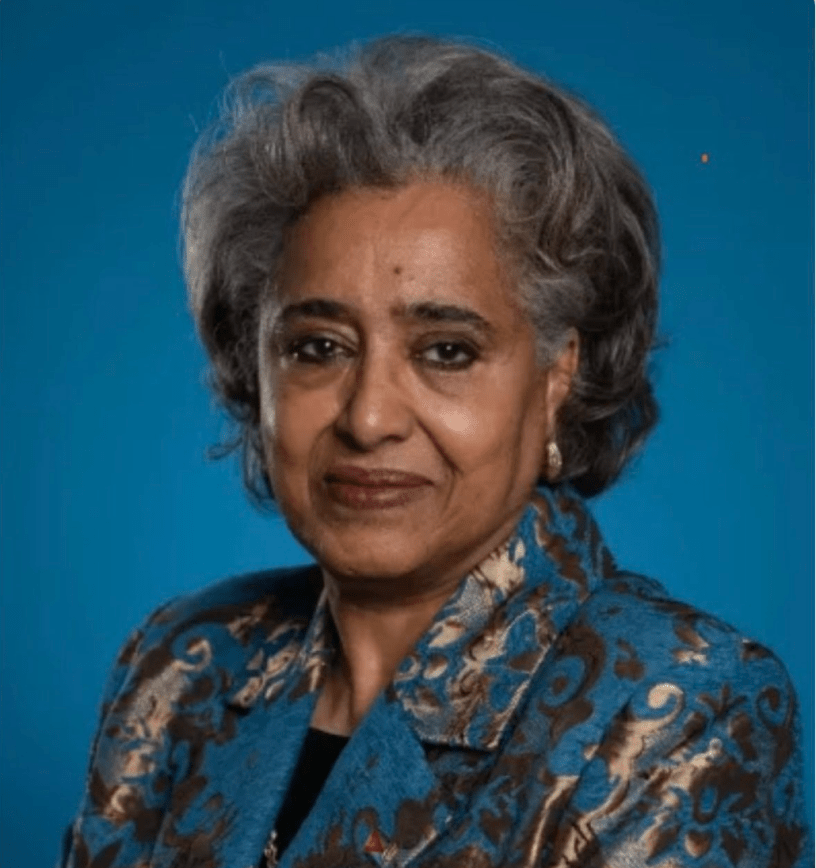
We, members of the Da’arona community, are deeply concerned and disappointed regarding the recent appointment of Ms. Sophia Tesfamariam as Vice President of the UNICEF Board. As an organization committed to safeguarding the rights and well-being of children worldwide, UNICEF has an ethical obligation to uphold the highest standards of integrity, human rights, and transparency. It is with this in mind that we must question how such an appointment aligns with the principles UNICEF champions.
The International Convention on the Rights of the Child (CRC) emphasizes that the Best Interests of the Child must be the primary consideration in all actions involving children, whether undertaken by public or private institutions, courts, or legislative bodies (UNICEF, 1989)1. The appointment of Ms. Tesfamariam, whose actions and affiliations with the Eritrean regime, denounced by the UN for gross human rights violations (UNHRC, 2020)2 are not hidden from the public, appears to contradict this fundamental principle: the Best Interests of the Child.
In her role as a representative of the Eritrean government, Ms. Tesfamariam has been a vocal defender of a regime notorious for its systematic abuse of human rights, including the exploitation of children. Reports from the United Nations Human Rights Council (UNHRC, 2020) have consistently documented atrocities committed by the Eritrean regime, such as the use of child soldiers, child labor, forced labor, and the suppression of basic freedoms. To appoint an individual with such close ties to a regime responsible for such violations sends a deeply troubling message about UNICEF’s commitment to its mission.
Furthermore, it is disheartening that UNICEF has, in effect, obscured the true nature of Ms. Tesfamariam’s involvement with the Eritrean regime by presenting a misleading resume. This level of opacity is not only concerning but also inconsistent with the standards of transparency that the international community rightfully expects from an esteemed organization such as UNICEF (UNICEF, 2015)3. Therefore, this appointment raises serious questions about the integrity of the selection process.
The Human Rights Council’s commission of inquiry on Human Rights in Eritrea has been documenting evidence-based reports showing violations committed in Eritrea that are ‘seldom seen in other countries’ since 19914-5. Ms. Tesfamariam has been a staunch defender of a regime by consistently denying the findings of rigorous human rights reports. She has worked to protect a government that has no regard for the best interests of children. It is difficult to reconcile how evidence-based research can guide the work of UNICEF if the organization’s leadership includes individuals who deny well-documented atrocities. This undermines the integrity of UNICEF and diminishes its ability to fulfill its mission of advocating for children’s rights.
For Eritreans, who have endured decades of repression, such an appointment is not just a betrayal but a grave injustice. We urge you to reconsider this appointment and prioritize the selection of Board members
who exemplify the highest ethical standards and a genuine commitment to protecting and promoting the rights of children. UNICEF’s credibility and its ability to inspire trust in the international community depend on its ability to align its leadership with the values it upholds.
We hope UNICEF will take this opportunity to reaffirm its commitment to children and human rights by
selecting leaders who reflect the organization’s core values.
Sincerely
Da’arona Community
References:
- UNICEF. (1989). Convention on the Rights of the Child. Retrieved from https://www.unicef.org/documents/convention-rights-child.
- United Nations Children’s Fund (UNICEF). (2015). Transparency and Accountability. Retrieved
from https://www.unicef.org/what-we-do.
- United Nations Human Rights Council (UNHRC). (2020). Report of the Commission of Inquiry on Human Rights in Eritrea. Retrieved from https://www.ohchr.org/en/hr-bodies/hrc/coi-eritrea.
- World Report 2023: Eritrea | Human Rights Watch
 Martin Plaut
I