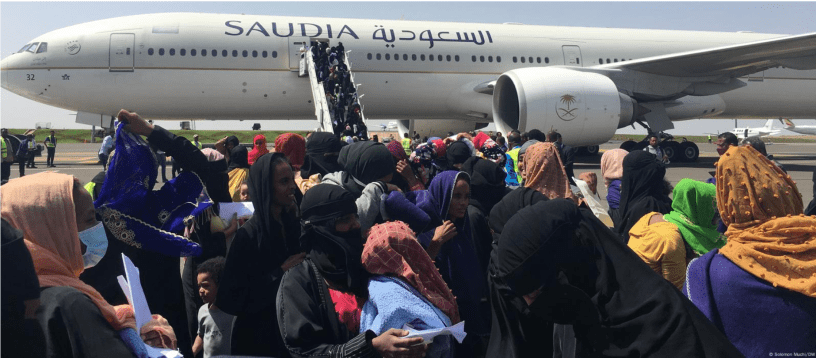
Raids across the Wahhabi Kingdom, Arrests and Forced Repatriations of 21,000 people, mostly Ethiopians
Africa ExPress Editorial Team– February 12, 2025

Africa ExPress
Dubai, February 12, 2025
In Saudi Arabia the persecution against foreign labor continues and according to the Ministry of the Interior in Riyadh at the end of January 10 thousand workers were deported.
Arrests across the country
Another 21,000 were arrested across the country for violations of residency laws, labor law offenses, illegal entry into the Wahhabi kingdom, and more. These are workers from Africa, Asia, but also from other countries in the Middle East.
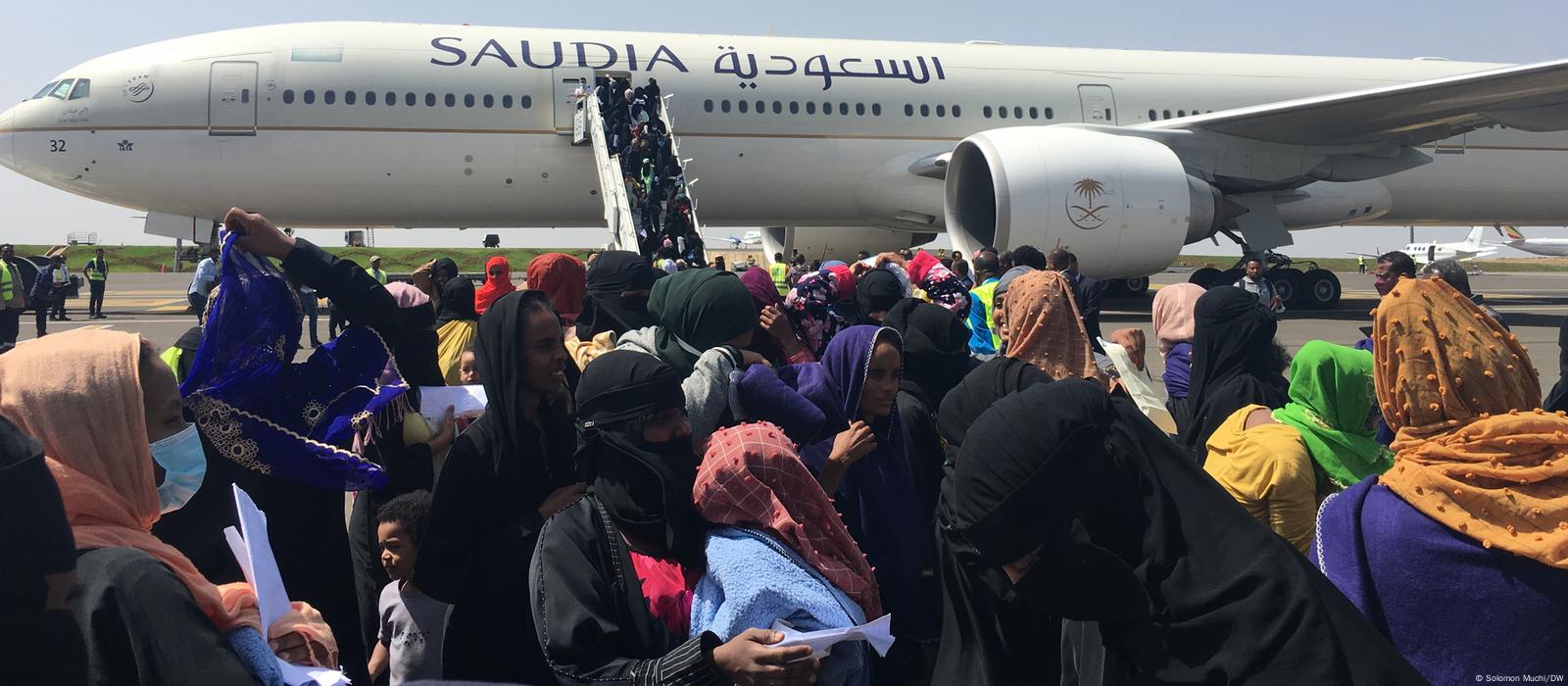
And the crackdown continues : the ministry reported that another 27,000 people have been referred to their respective diplomatic missions to obtain travel documents, while another 2,300 are facing deportation; Saudi authorities are preparing the necessary documentation.
Majority Ethiopians
During the sweeps in recent weeks, security forces have also detained more than 1,400 people who were trying to enter the kingdom illegally. Most are Ethiopians (55 percent), followed by Yemenis (41 percent). Ninety were stopped because they were trying to leave the country without authorization. Authorities have also arrested 18 people suspected of harboring, transporting, or employing undocumented foreigners.
A “déjà vu”
In short, a large-scale raid , but nothing new, it had already happened in the past. In 2013, the expulsion order had affected 23 thousand Ethiopians. Also in 2023, thousands – especially women – were sent back to Addis Ababa.
Kafala
In several Arab countries , many workers, especially domestic workers, still apply Kafala. This law ties legal residence to the contractual relationship with the person who hired them. This means that a migrant cannot change jobs without the employer’s authorization. If an employee refuses, decides to leave the house without the employer’s consent, he risks losing his residence permit and consequently prison and expulsion.
Modern Slavery
This rule is equivalent to a form of modern slavery . In order to leave the country, this mechanism requires an exit visa, to obtain which the employer must give his approval.
Reforms
Already at the end of 2020, the Wahhabi kingdom announced that it wanted to change the kafala system, introducing new labor laws. Unfortunately, the reforms introduced later proved inadequate and the application of the new rules has not yet achieved the desired results. Thus, migrant workers continue to suffer serious human rights abuses. To this day, the rules are hardly applied to the most vulnerable and least protected, such as domestic workers, drivers, farmers, shepherds and security guards.
Despite the problems and grave risks faced by migrants, late last year the Kenyan government invited young women to apply to be nannies in Saudi Arabia.
Fragile migrants at risk
Often, foreign workers are forced to work much more hours than agreed upon, and sometimes the wages are lower than agreed upon. And as often happens, many remain at risk of detention if they are considered irregular. And Saudi prisons are not exactly a 4-star hotel. A few years ago, some Ethiopians told Amnesty International that they had been beaten and tortured with cables and metal sticks.
Often deadly journey
Most migrants from the Horn of Africa face a dangerous journey to reach Saudi Arabia. Many embark in Obock (in north-east Djibouti), but before reaching the port city, from where many boats (run by traffickers) depart for Yemen, they must cross deserted and rugged, very hot lands.
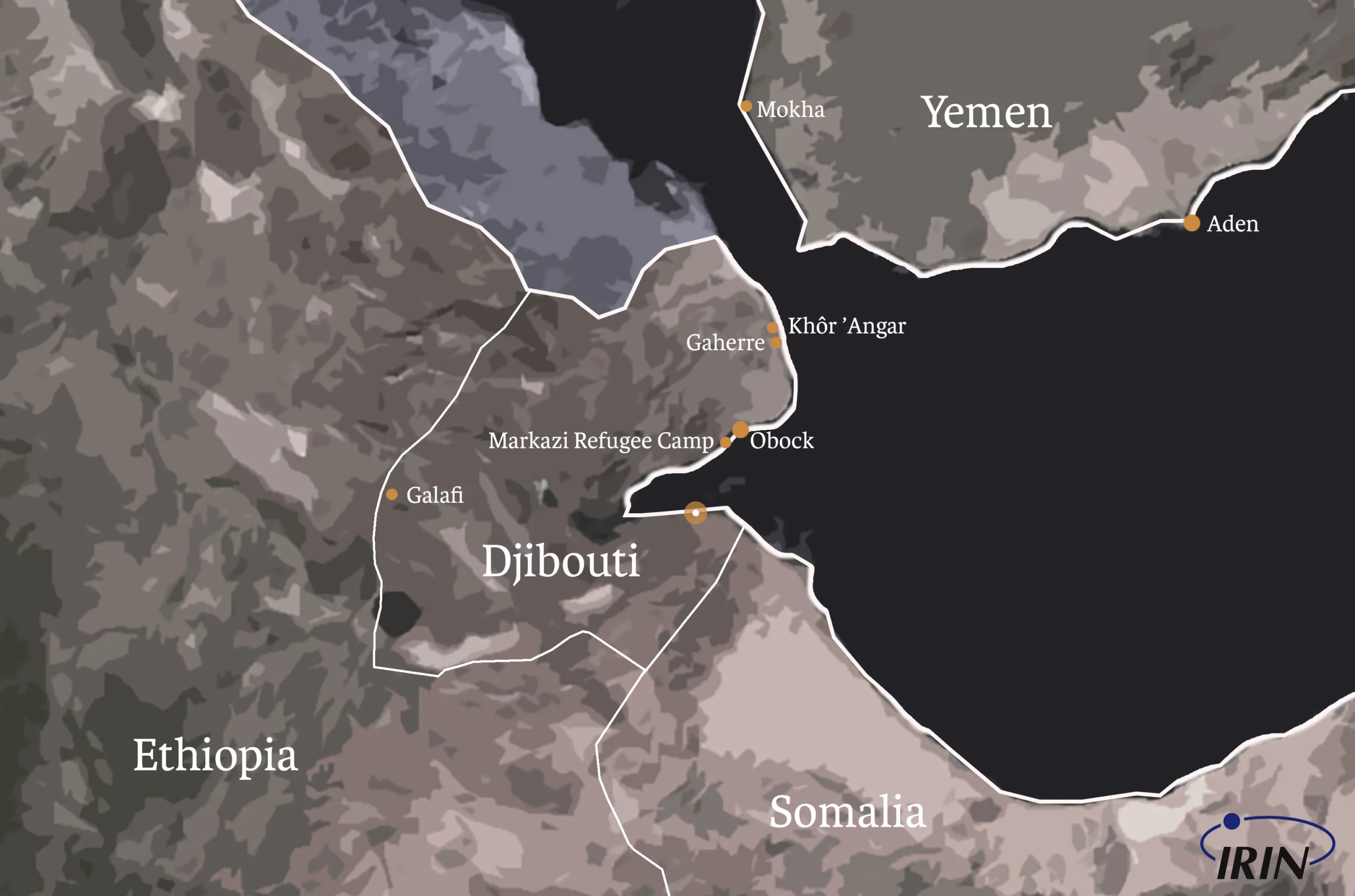
Human remains are often found in the region of Lake Assal, in the Afar Triangle, which is 155 meters below sea level and is the lowest point on the African continent. They die of starvation, hunger and thirst.
Others drown during the crossing. Once they reach Yemen, which is torn apart by a fierce civil war, they risk being stopped by the Yemeni authorities as they attempt to cross the country and are locked up in more than makeshift detention centers.
 Martin Plaut