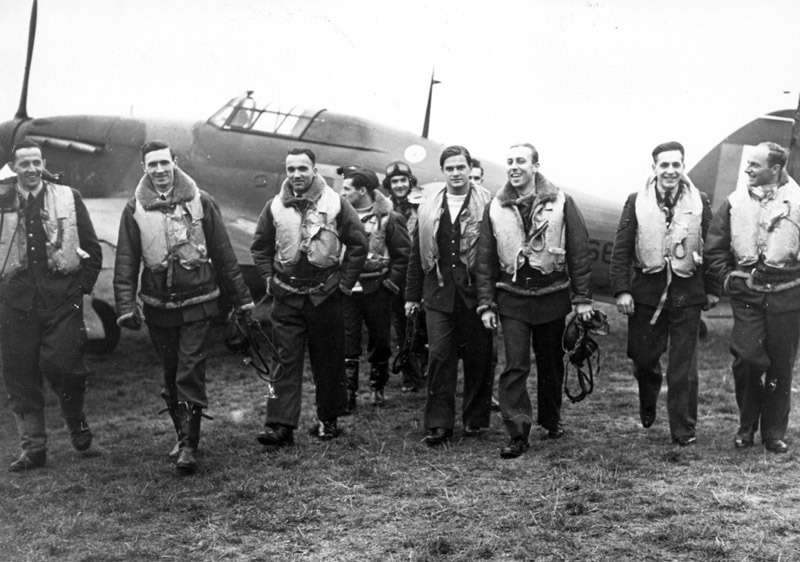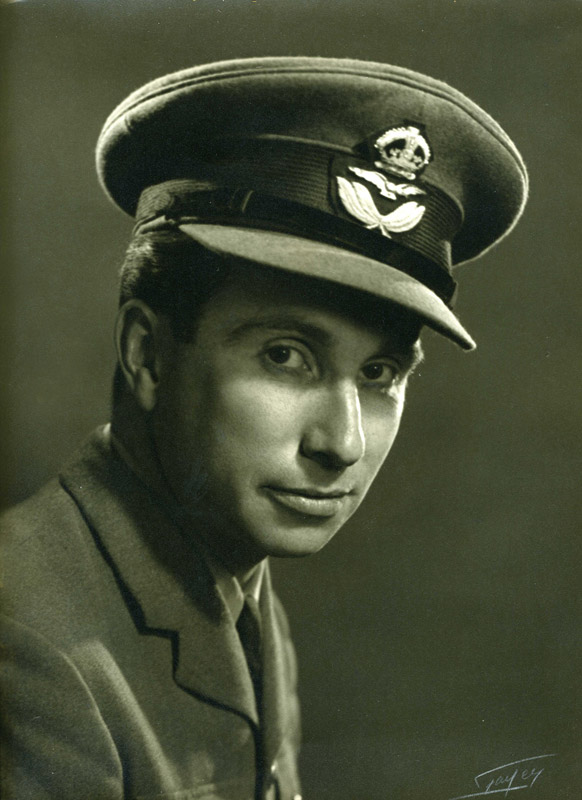
From 10 July 1940 – 31 October 1940 airmen, who came from Poland, Canada, Australia, South Africa and from across the Commonwealth, as well as Britain, defeated the German air force over the skies of England. They went on to be killed until the finally war ended in 1945.
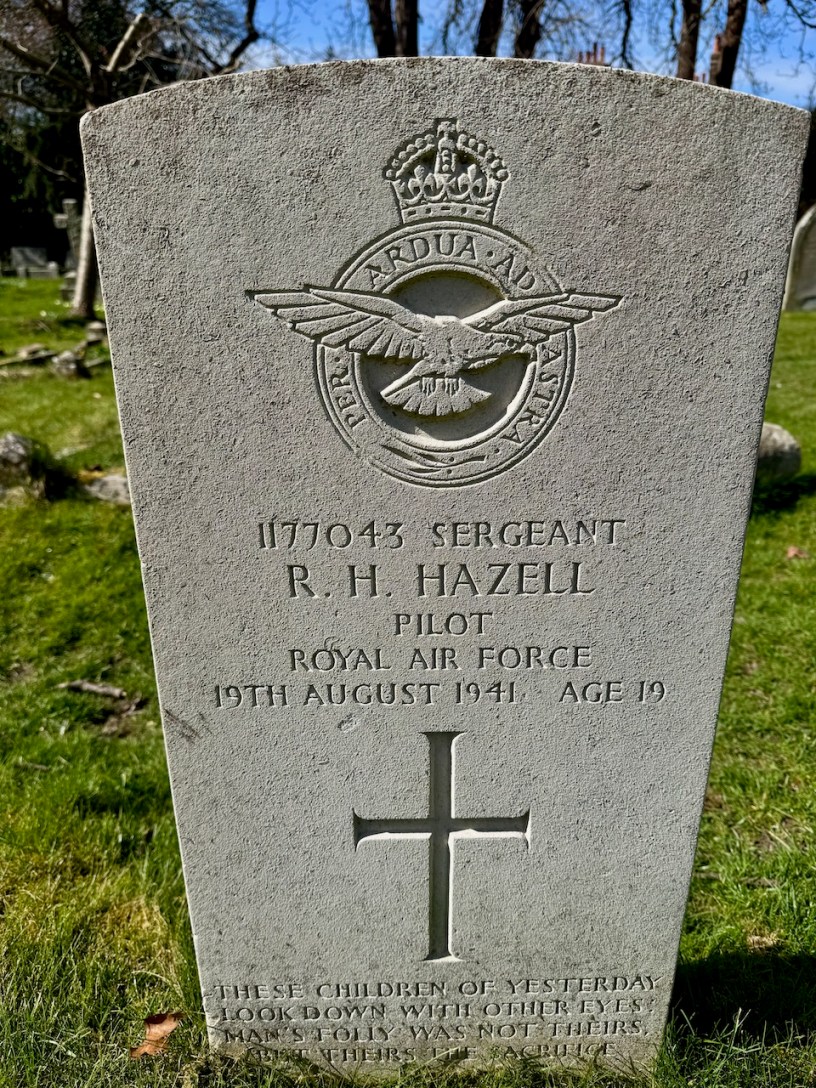
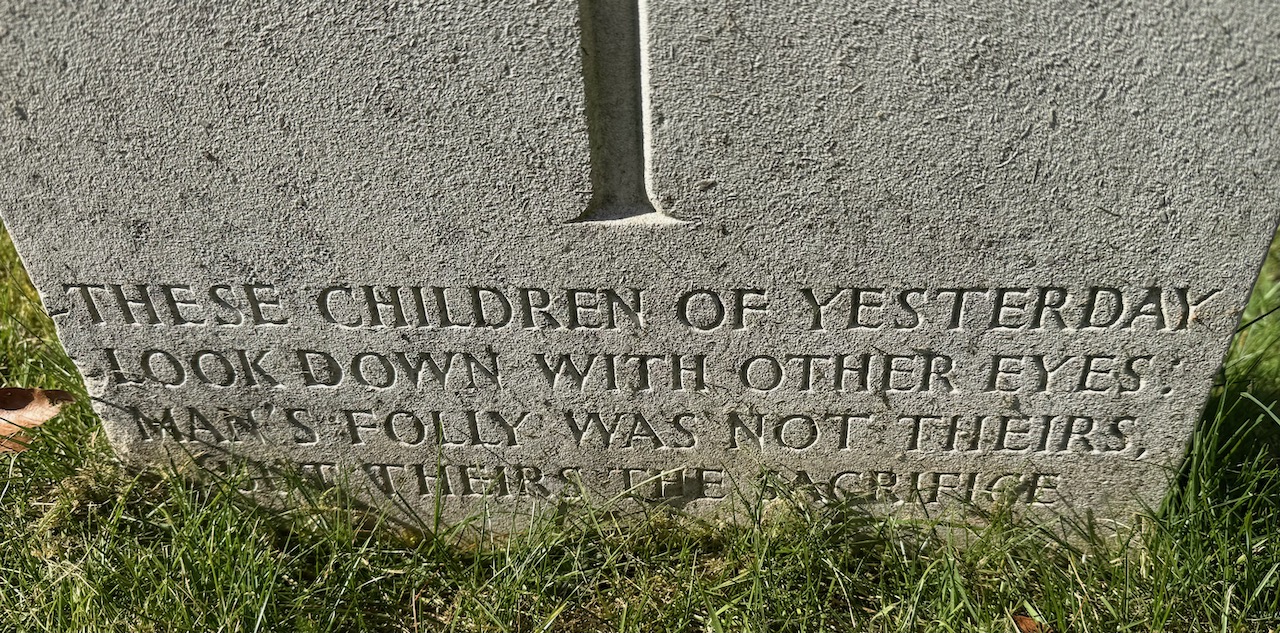
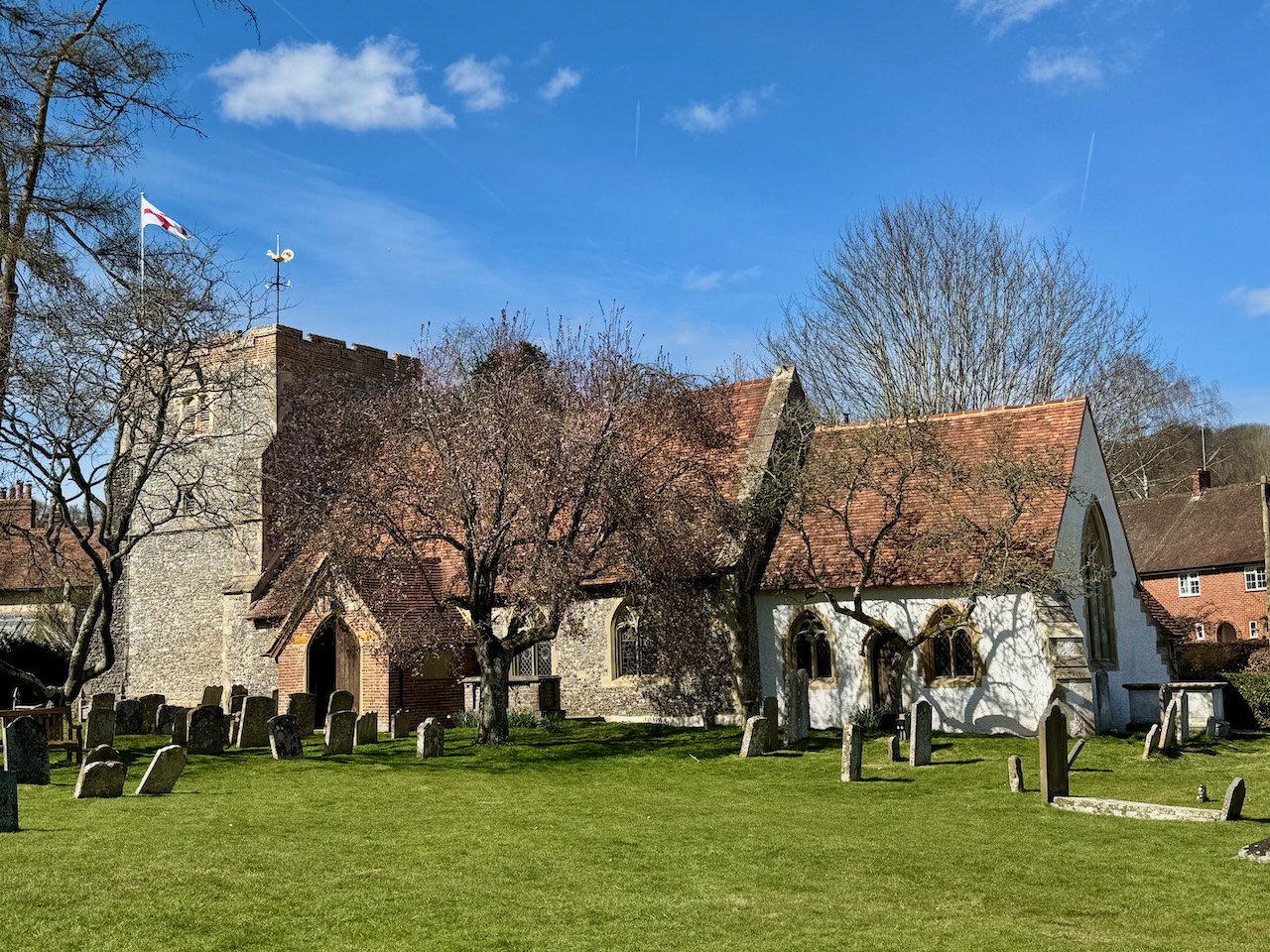
So many of those who died fighting in the battle of Britain during the Second World War were still teeanagers – little more than boys. This grave in the village of Turville says it all.
“These children of yesterday, look down with other eyes. Man’s folly was not theirs, but their the sacrifice.”
“Had it not been for the magnificent material contributed by the Polish squadrons and their unsurpassed gallantry, I hesitate to say that the outcome of the battle would have been the same.”
Air Chief Marshal Sir Hugh Dowding
During the Battle of Britain one fifth of Fighter Command’s aircrew came from overseas and 16 nations were represented in its squadrons. Around 2,937 aircrew were awarded the “Battle of Britain” clasp for having flown at least one authorized sortie with an accredited unit of RAF Fighter Command between July 10th and October 31st, 1940.
A total of 126 New Zealanders, 98 Canadians, 33 Australians and 25 South Africans participated. They were joined by three Rhodesians, a Jamaican, a Barbadian and a Newfoundlander. The Commonwealth countries produced some of the best fighter pilots, including the Australian Flying Officer Paterson Hughes and Flight Lieutenant Adolph ‘Sailor’ Malan from South Africa.
After the fall of France, the RAF welcomed into its ranks exiles from German-occupied Europe. In all, 145 Poles, 88 Czechoslovaks, 29 Belgians, 13 Frenchmen and an Austrian flew in the Battle and many of these proved to be excellent pilots. Though only operational for six weeks, the Polish No. 303 Squadron claimed 126 victories to become the top scoring RAF unit. With 17 confirmed victories, Sergeant Josef Frantisek, a Czech national serving with No. 303 Squadron, was one of Fighter Command’s most successful pilots.
Though their countries were neutral, 10 Irish and 11 United States citizens fought in the Battle of Britain. Pilot Officer William ‘Billy’ Fiske was the first American airman to be killed and a plaque was later unveiled to his memory in St Paul’s Cathedral which read:
“An American citizen who died so that England might live.”
 Martin Plaut