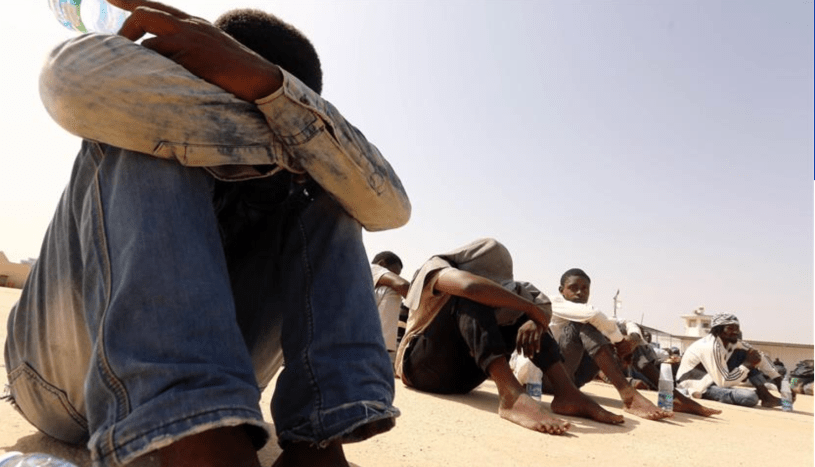
With evidence that perhaps as many as 1 million Africans are still enslaved – bought, sold and owned by Africans today – why are we looking at issues from two or three centuries ago? Men and women trapped in Libya’s notorious detention centres or inherited in Mauritania need to be freed now. This article from the Round Table explores the question, and goes on to ask why only the West is being asked for reparations. It also explores failure of the African Union and Arab League to fight contemporary chattel slavery.
The issue is part of the much wider discussion that will be explored in “Unbroken Chains: A 5,000-year history of African Enslavement” which will be published in August this year by Hurst.
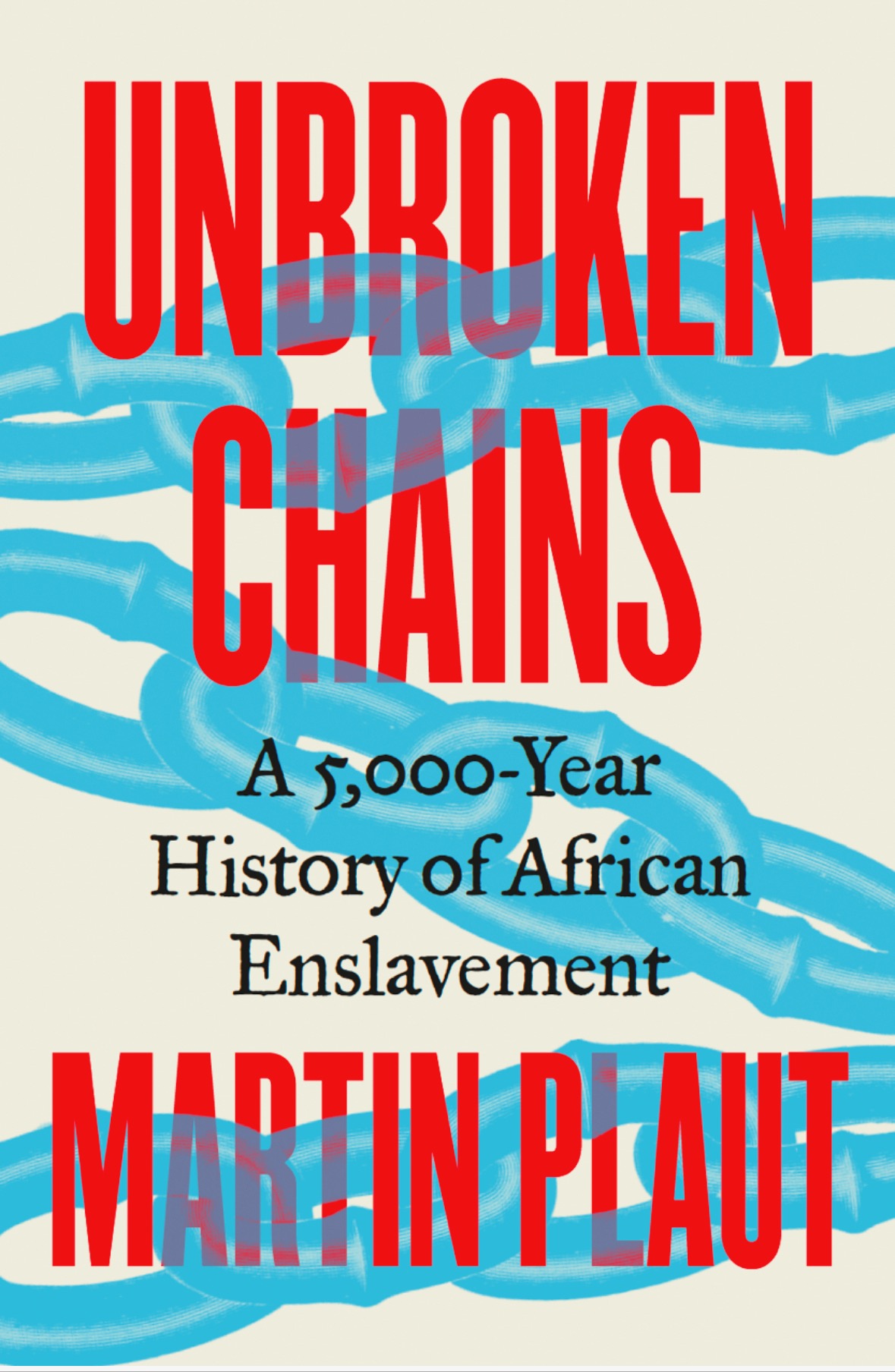
The debate on reparations for slavery has entered the mainstream international discourse. The Commonwealth Heads of Government Meeting in October 2024 acknowledged the moral imperative to address the historical injustices of trans-Atlantic slavery, colonialism and associated atrocities. However, these concerns are narrowly focused on claims against a limited number of Western nations. This article argues that such a focus is historically incomplete and morally constrained. Slavery was – and in some cases still is – a far broader phenomenon, involving African, Arab, Ottoman, Indian and other non-European actors over the course of at least 5,000 years.
 Martin Plaut