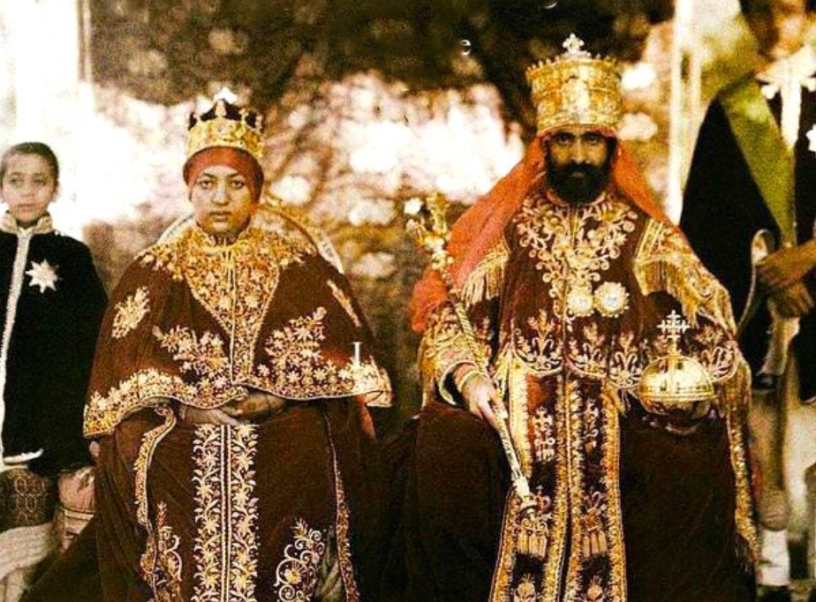
From emperors to generals to ethnic populists, Ethiopia rotates rulers—but not the rules. And for 80 years, the U.S. has supported them all.
By Haimanot B. Atinkut, Freelance Contributor
I. Introduction: A State That Changes Leaders, Not Systems
Ethiopia has experienced revolutions, reforms, and rebrandings—but it has never rebuilt its political foundation. Beneath imperial crowns, revolutionary slogans, and democratic constitutions lies the same architecture: a centralised state governed by one ethnic elite at a time. From Amhara emperors to Tigrayan federalists to today’s Oromo populists, the faces change, but the formula does not.
And through it all, Washington has remained a reliable—but often uncritical—partner. From Roosevelt to Biden, the United States has supported Ethiopia’s rulers not for their democratic credentials, but for their utility—first as Cold War allies, then as counterterrorism partners. The result is a partnership built on expedience, not values—one that has failed to challenge the ethnic monopolies at Ethiopia’s core.
II. Imperial Glory, Rural Revolt: The Hidden Anguish of Amhara Peasants (1930–1974)

Under Emperor Haile Selassie, Ethiopia projected imperial grandeur abroad and unitary nationalism at home. Amharic was imposed as the state language, Orthodox Christianity enshrined as cultural backbone, and the empire styled as indivisible—even though much of southern and western Ethiopia had been annexed in the 19th century through force.
This myth of unity masked deep inequities. In Amhara highlands like Gojjam and Wollo, peasants—ironically from the emperor’s own ethnic base—lived under a brutal feudal system. Landless and taxed into starvation, they revolted in the 1960s, demanding land and justice—not autonomy. The state responded with military repression. Their suffering was invisible to Western policymakers who saw Amharas only as symbolic elites, not as impoverished masses.¹
At Addis Ababa University, discontent took a different form. Student leaders like Tilahun Gizaw and Wallelign Mekonnen challenged the imperial order from the lecture halls. Gizaw was killed in 1969 by imperial security. Mekonnen, an Amhara himself, penned the explosive 1970 manifesto On the Question of Nationalities in Ethiopia, which framed Ethiopia as “a prison house of nations” and called for self-determination.² His vision would later become the blueprint for the 1995 constitution—but he would not live to see it. He was killed in a failed hijacking in 1972.
III. Revolution Hijacked: The Derg’s Rise and Ethnic Suppression (1974–1991)
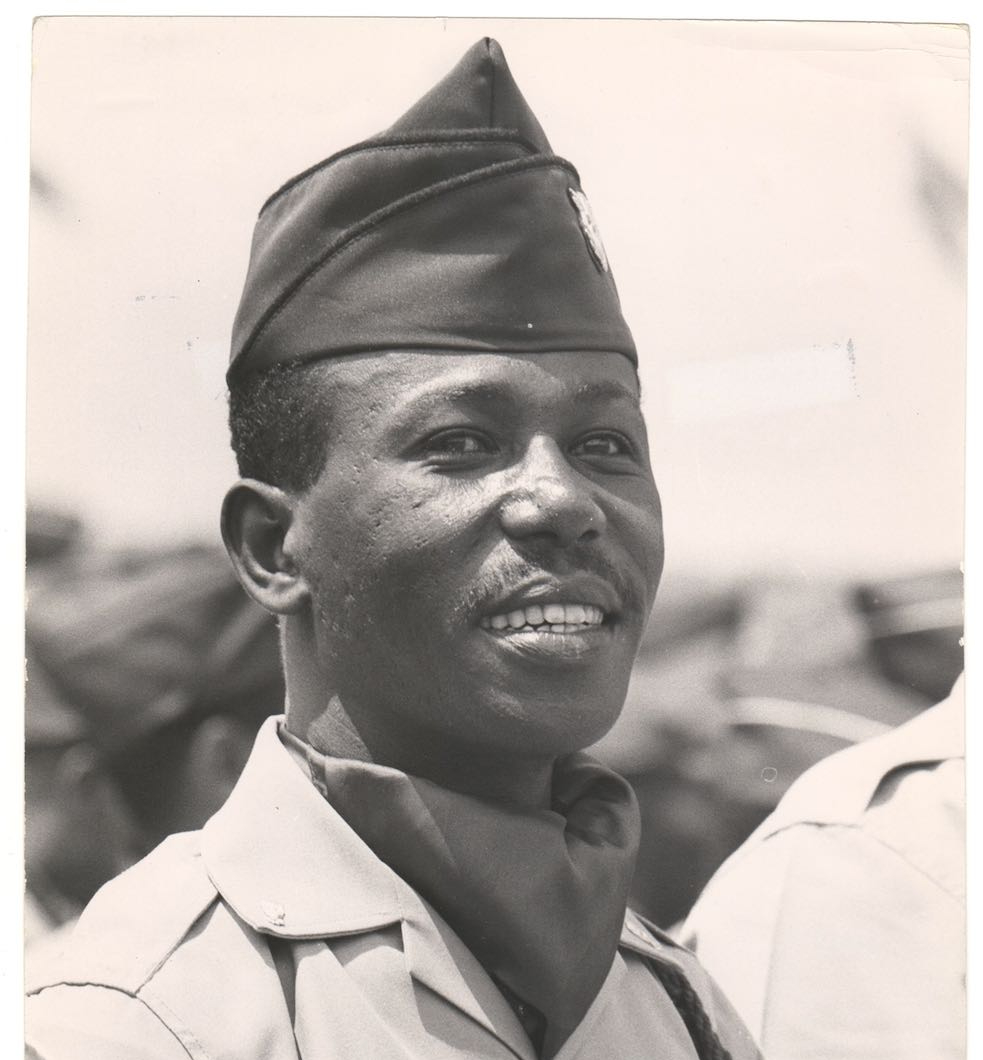
The 1974 revolution deposed Selassie—not through grassroots democracy, but through a military coup. A committee of junior officers known as the Derg seized power. They promised socialism and land reform but instead instituted a dictatorship.
Mengistu Haile Mariam emerged as the junta’s strongman, eliminating rivals in bloody purges. His regime orchestrated the Red Terror, which killed tens of thousands—mostly students, including many from Amhara backgrounds.³ Ethnic demands were silenced. The Oromo Liberation Front (OLF) was declared secessionist and crushed; its leaders fled or disappeared.
In rural Ethiopia, famine followed mismanagement. The 1984–85 famine—exacerbated by state neglect—killed over a million people, particularly in Wollo and Tigray.⁴ The Reagan administration responded with humanitarian aid, but political engagement waned. Ethiopia had become a Soviet client, and the U.S. responded by arming Somalia in the Ogaden War—a geopolitical pivot that ignored Ethiopian civilians caught in the crossfire.⁵
IV. EPRDF Rule: Tigrayan Hegemony Behind Ethnic Federalism (1991–2018)

When the Derg collapsed in 1991, U.S. diplomats, led by Herman Cohen, facilitated the peaceful rise of the Ethiopian People’s Revolutionary Democratic Front (EPRDF), a coalition led by the Tigray People’s Liberation Front (TPLF).⁶ The EPRDF enshrined ethnic federalism in the 1995 constitution—granting each group the right to self-determination and even secession.⁷
But power remained tightly controlled. Tigrayan elites dominated intelligence, military, and foreign affairs. The Oromo People’s Democratic Organization (OPDO), and later the Amhara National Democratic Movement (ANDM), were subordinate partners in a federal arrangement that was federal in name, but centralized in practice.
While the West embraced Meles Zenawi as a developmental leader, Amharas and Oromos increasingly accused the TPLF of marginalization and repression. Disputed areas like Welkait, historically Amhara, were forcibly reclassified as Tigrayan.⁸ Protest movements, particularly the Oromo Qeerroo youth movement, began gaining momentum in the 2010s, calling for meaningful inclusion and justice.
V. Abiy Ahmed and the Oromo Turn: A New Language of Unity, An Old Game of Control (2018–2025)
When Abiy Ahmed, an Oromo former intelligence chief, took power in 2018, he was hailed as a reformer. He dissolved the EPRDF and launched the Prosperity Party, promising a pan-Ethiopian vision. He won the Nobel Peace Prize for making peace with Eritrea.
But beneath the reformist veneer, familiar patterns emerged. Key institutions became Oromo-dominated. Afaan Oromo was elevated. While this redressed historical exclusion, it also resembled earlier regimes in its consolidation of power within one ethnic cadre. Critics dubbed it “Oromo hegemony in a unitary jacket.”
The Tigray War (2020–22), Amhara–Oromo land conflicts, and the insurgency by the Oromo Liberation Army (OLA) revealed the fault lines. The Prosperity Party’s promise of unity rang increasingly hollow.
The U.S., initially supportive, became more cautious. The Trump administration removed Ethiopia from the AGOA trade program. The Biden administration, led by Secretary Antony Blinken, imposed targeted sanctions and linked aid to peace implementation. ⁹ Yet, the fundamental U.S. approach—favoring order over equity—persisted.
VI. Oromo Politics: From Resistance to Internal Fracture
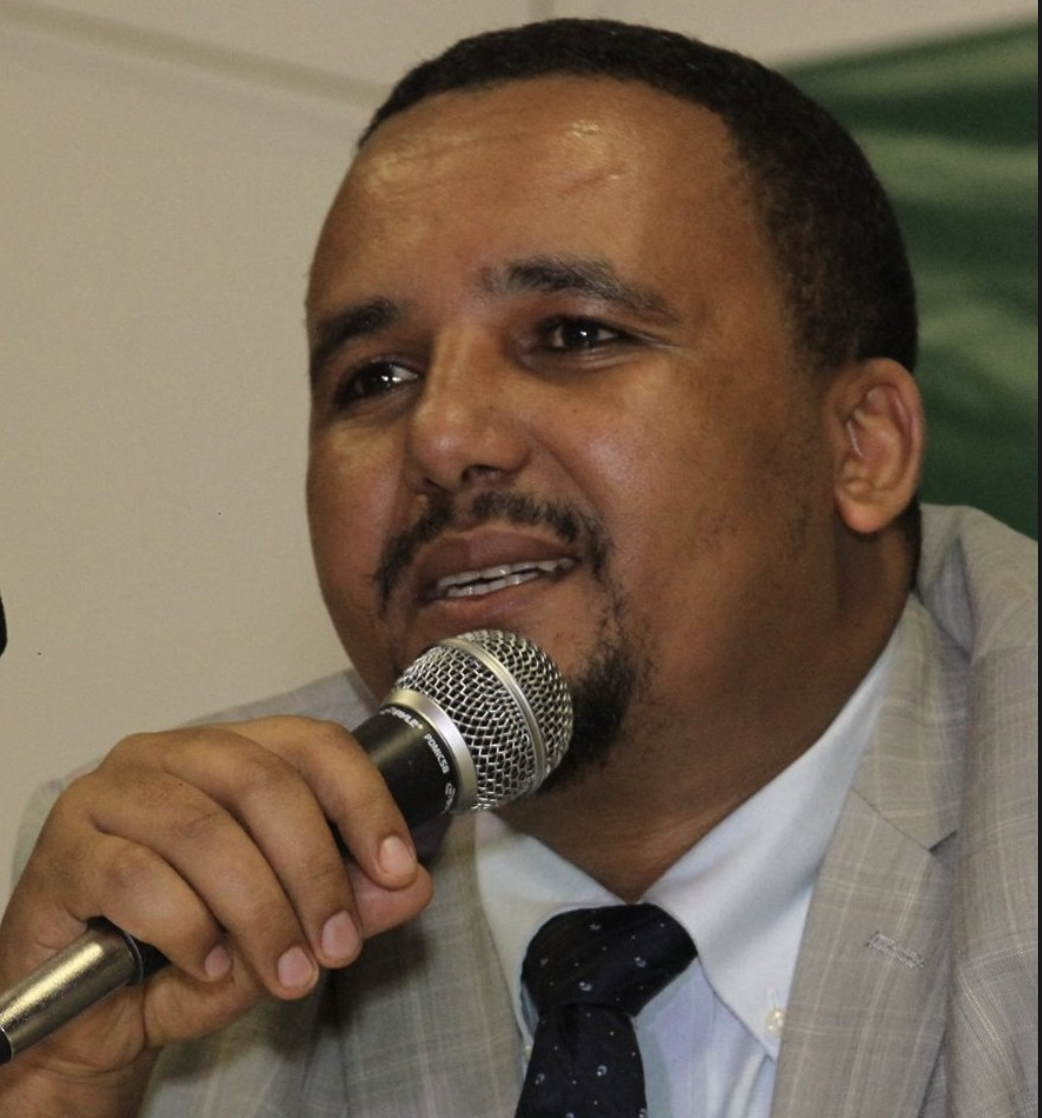
For decades, Oromo intellectuals like Asafa Jalata characterized their community’s experience as “internal colonization.”¹⁰ The struggle was for cultural survival and political sovereignty. The OLF, formed in 1973, carried this fight through guerrilla war and later political participation.
But unity faded. The Qeerroo movement helped bring Abiy to power but fractured over disillusionment. Some joined the state; others, like Jawar Mohammed, became critics. The OLA rearmed. The Gadaa system, once hailed as a democratic model, became symbolic rather than institutional.
Today, Oromo politics remains divided: between federalists and unitarians, moderates and militants, insiders and insurgents.
VII. The Forgotten Majority: Amharas Caught Between Regimes
Perhaps no group has been more misrepresented—and more betrayed—than the Amhara. Once caricatured as imperialists, they became victims under Mengistu, scapegoats under the EPRDF, and displaced under the Prosperity Party. In Benishangul-Gumuz, Wolkait, and Oromia, Amhara communities have suffered massacres, forced removals, and administrative erasure.¹¹
Yet these abuses rarely reach international headlines. Western narratives still frame Amharas as historical oppressors—despite growing evidence that they, too, have been among the most persecuted in modern Ethiopia.
VIII. The U.S. Record: Strategic Blindness and Rotating Alliances
Across eight decades, the United States has supported Ethiopia’s rulers—regardless of how they ruled. From Selassie’s monarchy to Mengistu’s Marxism, from Meles’s managed federalism to Abiy’s reformist populism, U.S. policy has been driven by:
- Strategic geography: Ethiopia controls access to the Red Sea and the Nile Basin.
- Counterterrorism: Ethiopia has served as a military bulwark in Somalia and Sudan.
- Stability: America has repeatedly valued order over accountability.
Even when human rights abuses occurred—during famine, Red Terror, ethnic cleansing—Washington responded late, if at all.¹²
IX. Conclusion: “New Wine in Old Bottles”
Ethiopia keeps rebranding its power structure: empire becomes revolution, federalism becomes centralism, and reform becomes repression. Each new leader promises a break from the past—only to inherit its machinery.
For Ethiopia’s people—Amhara peasants, Oromo activists, Tigrayan civilians—the result is not transformation, but rotation. For the U.S., the question is not whether to engage, but how. Will America continue to support rulers who deliver order at the expense of justice—or finally align its policy with the aspirations of those long silenced?
Ethiopia doesn’t need new wine in old bottles. It needs a new bottle altogether.
X. The Amhara Paradox: From Alleged Oppressors to Forgotten Victims
No group in Ethiopia’s modern history has borne more contradictory labels—or suffered more durable misrepresentation—than the ethnic Amharas.
They have been called settlers, feudal lords, imperialists, assimilators, and governors of a centralised state. And at times, segments of the Amhara elite did indeed benefit from imperial patronage, administrative positions, and cultural dominance—especially during the Haile Selassie era. But the myth of total Amhara control has eclipsed a deeper truth: the majority of Amharas were never rulers—they were ruled, taxed, conscripted, and silenced like everyone else.
In the 1960s, Amhara peasants in Gojjam and Wollo rose against feudal oppression—not in the name of empire, but out of hunger and landlessness. In the 1970s, Amhara students like Wallelign Mekonnen and Tilahun Gizaw gave their lives for a revolution that ultimately betrayed its ideals. Under the Derg, Amharas were disproportionately targeted in the Red Terror, especially in urban areas. Under the EPRDF, they were portrayed as historical villains—displaced from Welkait, ignored in truth commissions, and written out of the multicultural narrative. And under Prosperity Party rule, they have been victims of massacres and ethnic cleansing in regions like Benishangul-Gumuz and Oromia, while their legitimate security concerns are often dismissed as nationalism or nostalgia.
Even the Amharic language, once a unifying medium of governance, is now cited as proof of domination—though in practice, its spread was often the tool of state policy, not cultural chauvinism by ordinary Amharas.
This miscasting has cost lives. To be Amhara in today’s Ethiopia is to be accused of past sins you didn’t commit—and to die for them in silence.
XI. Conclusion: Rotation Without Resolution
Ethiopia’s regimes have changed—from monarchs to military men to ethnic federalists—but their core structure has not. Each era centralizes power, ethnicizes identity, and governs through exclusion.
The Amharas, once wrongly cast as permanent governors, are now permanent scapegoats. The Oromos, long disenfranchised, are now fragmented between insurgency and state power. The Tigrayans, once dominant, now battle for survival. All are trapped in a cycle where today’s victim becomes tomorrow’s ruler—and vice versa.
The U.S., too, must reckon with its role. Its pragmatic alliances—built on counterterrorism, Cold War rivalry, and regional stability—have overlooked the internal fractures of a state that has never been built for pluralism. Aid, diplomacy, and sanctions have addressed symptoms, not systems.
What Ethiopia needs is not another dominant group, but a dismantling of domination itself. It needs a civic architecture that protects all—and privileges none.
Until then, the bottle may change. But the wine stays the same.
XII. Fano: The Rise of Amhara Resistance and the Fracturing of the Ethiopian State
If Ethiopia’s modern history has been defined by a rotation of ethnic rulers—imperial Amhara monarchs, Tigrayan technocrats, and now Oromo populists—then the rise of Fano marks a profound rupture. This is not a rebellion from the empire’s margins. It is an insurrection from within the very group long accused of building it.
Fano (meaning “volunteer” or “patriot” in Amharic) emerged as a decentralized youth defense force in Amhara regions such as Gondar and Wollo. Initially focused on protecting borderlands like Welkait and Raya from incursions by neighboring ethnic militias, it has since evolved—under fire—into a widespread grassroots insurgency. The Ethiopian government calls it an extremist militia. But for many Amharas, Fano is not an armed group. It is a cry for protection, dignity, and survival.
From Regional Defense to Popular Revolt
Fano’s evolution began with local frustrations: historical Amhara territories being administratively reassigned to Tigray, silence in the face of ethnic massacres in Benishangul-Gumuz and Wollega, and a growing sense that Amhara lives were expendable in the Ethiopian federation.
By 2023–2024, those frustrations exploded. The federal government’s decision to disarm Amhara special forces—while Oromo Liberation Army (OLA) insurgents roamed unchecked—was seen not as neutral policy, but targeted punishment. In response, many local administrators either resigned or joined Fano. Protests turned into pitched battles. Airstrikes, internet blackouts, and arbitrary arrests followed. Instead of calming tensions, these crackdowns deepened a sense of betrayal.
Fano’s fighters are not uniformed militants. They are farmers, former soldiers, unemployed graduates, students, and exiles. Their ideology is not secessionist. Their unifying belief is that Amharas are no longer protected by the state—and thus must protect themselves.
From Custodians to Castaways
The paradox at the heart of Ethiopia’s crisis is this: the Amhara, long painted as historical rulers and cultural stewards, now see themselves as pariahs within the very system they are accused of dominating.
Under imperial rule, Amharic was the state language, Orthodox Christianity was the cultural anchor, and many officials came from the highland regions. But as ethnic federalism took root in the 1990s, that legacy became a weapon. Amharas were rebranded as colonizers, their historical contributions distorted, and their grievances dismissed.
In today’s Ethiopia, Amhara civilians are being massacred, displaced, or profiled in multiple regions. Yet these acts—unlike comparable atrocities in Tigray or Oromia—receive little international attention. Protesters are killed. Victims are unnamed. And media coverage often recycles the myth of Amhara privilege while ignoring the visible scars of marginalization.
A Crisis of State Legitimacy
Fano’s rise is not just a rebellion—it is a referendum. Not just on Oromo-led governance or Prosperity Party centralism, but on the very legitimacy of the Ethiopian state.
At the height of the Prosperity Party’s power, federal institutions—from the military to the judiciary—became increasingly Oromo-dominated. While Afaan Oromo was elevated, Amharic media faced suppression, and Amhara civic groups were surveilled or shut down. These shifts, coupled with open anti-Amhara rhetoric and selective justice, created what many describe as an emerging ethnic autocracy—one that criminalizes Amhara identity while promoting others.
In this context, Fano’s fighters see themselves not as insurgents, but as the last defenders of a shared Ethiopia. They argue that ethnic federalism has failed—not because it acknowledged diversity, but because it calcified it into a system of zero-sum dominance.
Not Another Militia—A Movement
Fano is different from previous armed movements in Ethiopia. Unlike the TPLF, it does not seek hegemonic control. Unlike the OLA, it does not advocate secession. And unlike earlier monarchist resistance, it is not nostalgic for empire.
Fano’s central demand is representation. Its primary instinct is survival. Its immediate goal is justice.
It is amorphous, often undisciplined, and deeply reactive—but it is also popular, precisely because it emerged organically from perceived state abandonment. This is not a rebellion sponsored by foreign funders or exiled elites. It is a desperate defense from within.
International Silence, Strategic Myopia
The West’s response to Fano—like its broader response to Ethiopia’s unraveling—has been marked by contradiction. U.S. and EU officials have criticized rights abuses and suspended aid. But they have largely equated Fano with other insurgent groups, without acknowledging the unequal context in which it emerged.
This flattening of narratives obscures a vital truth: Fano did not start a war. It was born from the failure to end one.
As Ethiopia spirals, strategic allies continue to view the country through outdated Cold War and counterterror lenses. Yet the challenge is no longer external. It is existential. And ignoring the root causes of Amhara resistance may only produce more insurgencies, not fewer.
Beyond Fano: What Comes Next?
What Ethiopia faces now is not simply a military confrontation. It is a reckoning with political mythology—the myth of stable federalism, the myth of ethnic balance, the myth that Amharas were always in charge and therefore cannot suffer.
Fano’s insurgency poses a deeper question: Can Ethiopia survive as a state when its citizens no longer believe in its promise of equality?
If the state continues to treat Amharas as a “problem” to be contained rather than a people to be heard, Fano will not be the last flame. It will be the first of many.
Final Thought: Fire or Foundation?
Fano is not Ethiopia’s undoing—it is its smoke alarm. It signals a deeper crisis of belonging, citizenship, and memory. A crisis that cannot be solved with drones or disarmament alone.
What happens next depends not just on government action—but on whether Ethiopia’s elites, institutions, and international partners are ready to confront the truths Fano has exposed:
That no people can be forever blamed for the past while being abandoned in the present.
That protection cannot be selective, and peace cannot be one-sided.
And that without justice for all, there will be peace for none.
This rebellion began with fire. Whether it ends in ashes or architecture depends on whether Ethiopia—and those watching—are ready to rebuild, not just rule.
- Bahru Zewde, A History of Modern Ethiopia, 2002
- Wallelign Mekonnen, “On the Question of Nationalities in Ethiopia,” 1970
- Human Rights Watch, Evil Days: Thirty Years of War and Famine in Ethiopia, 1991
- Alex de Waal, Famine Crimes, 1997
- U.S. State Department Foreign Relations of the United States (FRUS), Ethiopia volumes (1960–1991)
- Herman Cohen, The Mind of the African Strongman, 2015
- FDRE Constitution, 1995 (Articles 39 & 47)
- Ethiopia Insight, “The Battle Over Welkait,” 2021
- USTR & State Department Reports on Ethiopia, 2021–2025
- Asafa Jalata, Oromo Nationalism and the Ethiopian Discourse, 1996
- Amnesty International & UN OHCHR reports on Amhara displacement, 2021–2023
- Congressional Research Service (CRS), “Ethiopia: Background and U.S. Policy,” various years
 Martin Plaut
The key impacts which need to be addressed are Historical narratives, political dynamism, the national language better to be English, the dilemma of economic development directions based
I think it is a very lazy analysis about the history of governing in Ethiopia. It is full of factual errors which is a sign of laziness.
The most dangerous part of the article is pretending to appeal for the suffering of Amhara but in reality it is endangering it by blaming other ethnic groups and denying what has been done to other people in the name of Amhara. I hope the intention is a naive error rather than an underhanded attack on Amhara.