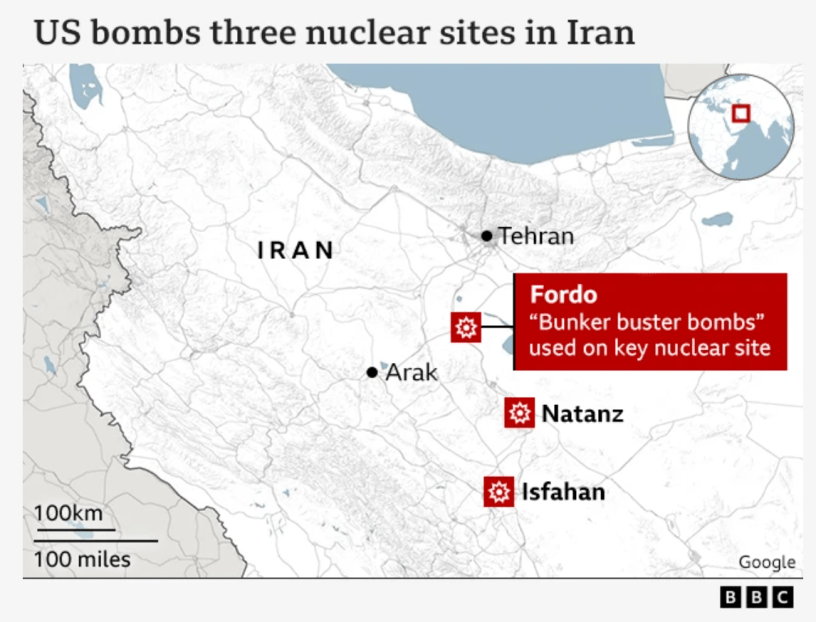
President Trump’s decision to hit Iran came before the deadline he had set for Iran to agree to end its nuclear enrichment programme. Speaking to the American public, the President made it clear that the attacks were not the end of America’s operations in Iran.
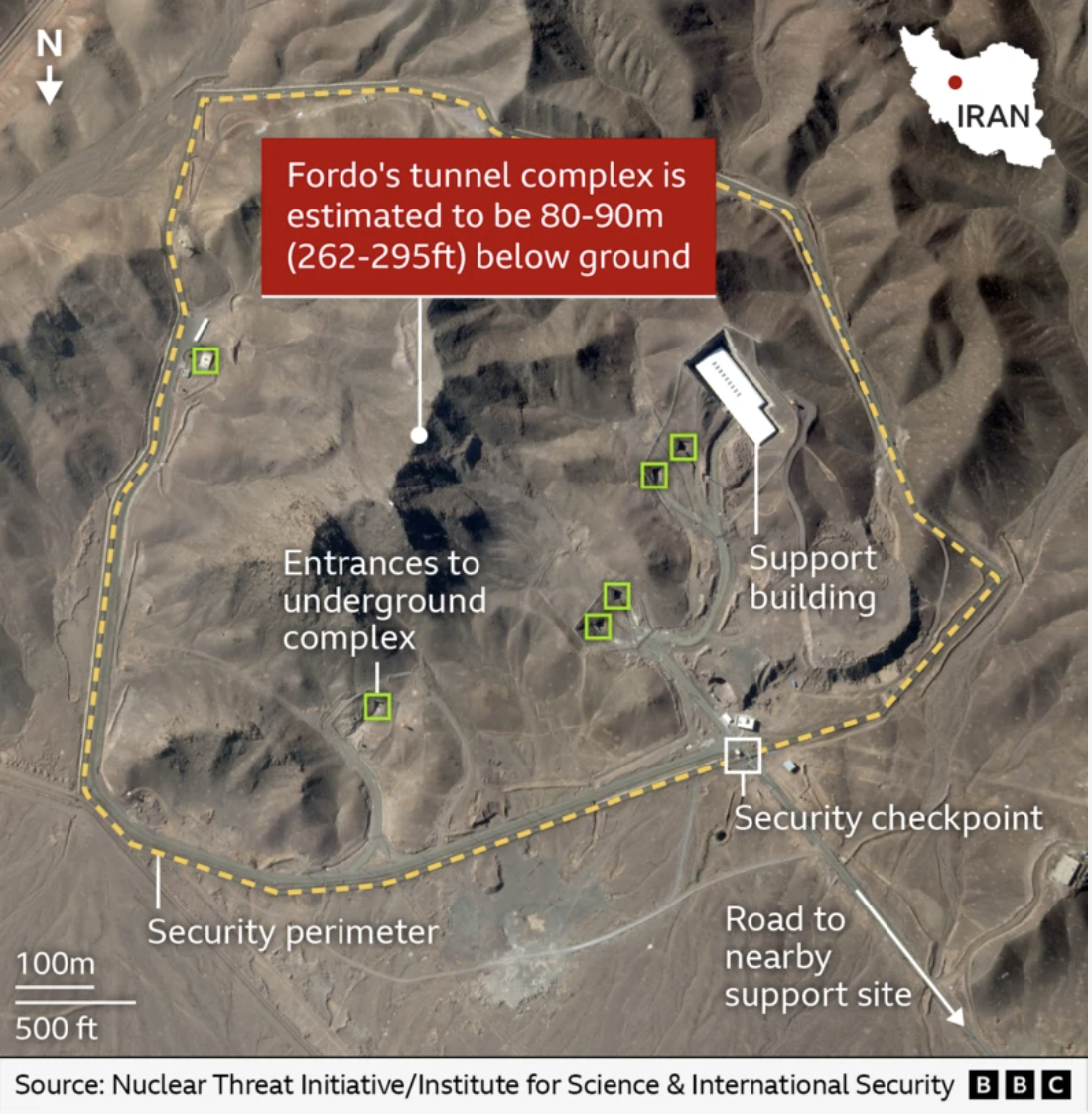
“With all that being said, this cannot continue,” Trump announced.
“There will be either peace or tragedy for Iran far greater than we have witnessed over the last eight days. Remember, there are many targets left. Tonights were the most difficult by far… But if peace does not come quickly we will go after those other targets with precision speed and skill. Most of them can be taken out in a matter of minutes.
There’s no military in the world that could have done what we did tonight, not even close.”
What does it mean for the Horn of Africa?
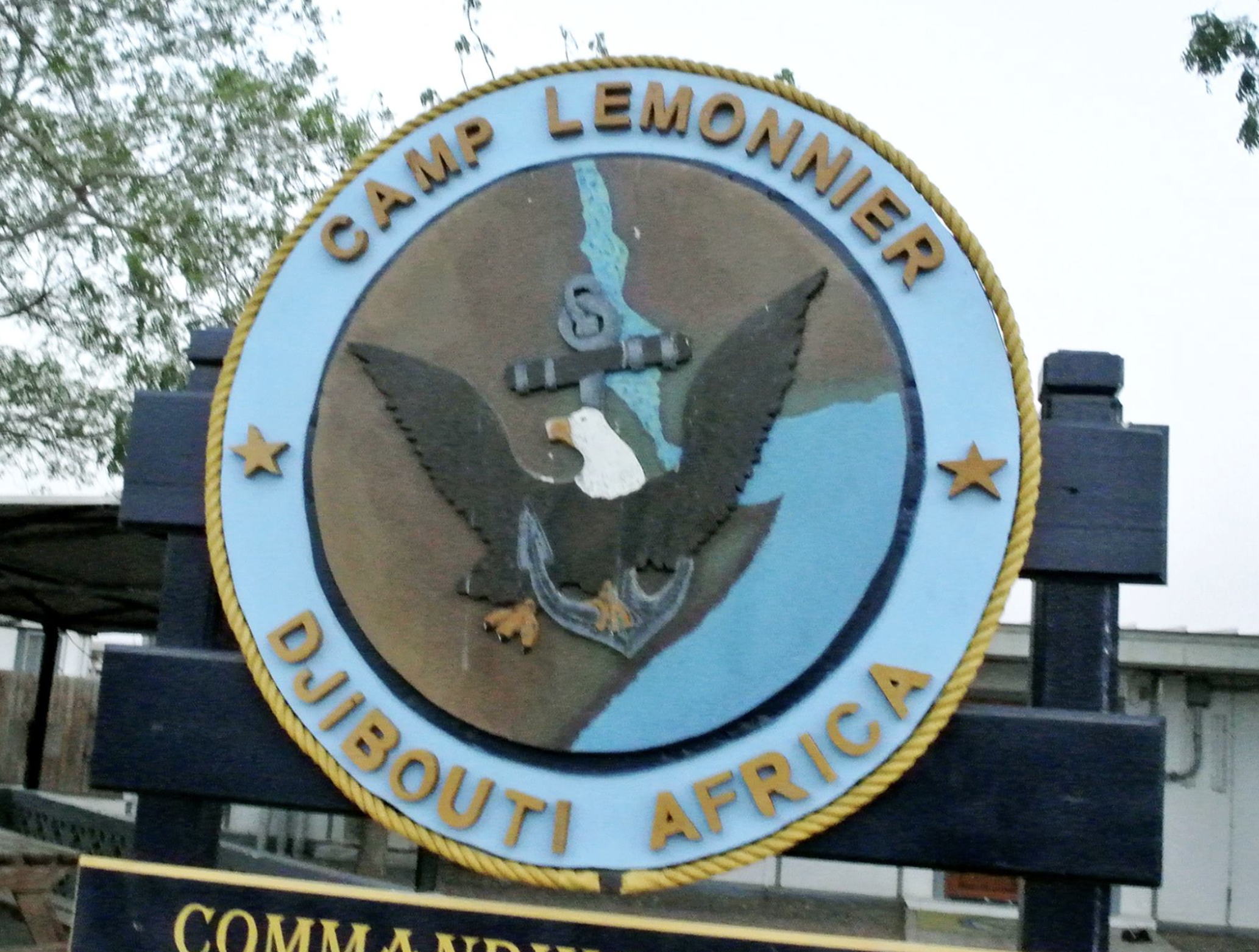
First: American bases and troops in the Horn must now be on high alert, as the Iranians seek targets to hit. This includes the US base in Djibouti and any American embassies and citizens in the region.
Second: All nations on both sides of the Red Sea have to decide how to respond. It has been evident for months that leaders wish to keep their nations away from the conflicts that erupted after Hamas’s attack on Israel on 7 October 2023.
Nations from Saudi Arabia to Egypt have remained aloof from Israel’s attacks in the region and look likely to avoid becoming involved in America’s bombing of Iran. This comes as Iran’s allies around the region have been attacked, weakened or removed from power, including:
- Hezbollah in Lebanon
- The Houthis in Yemen
- Hamas in Gaza
- Syria under President Assad
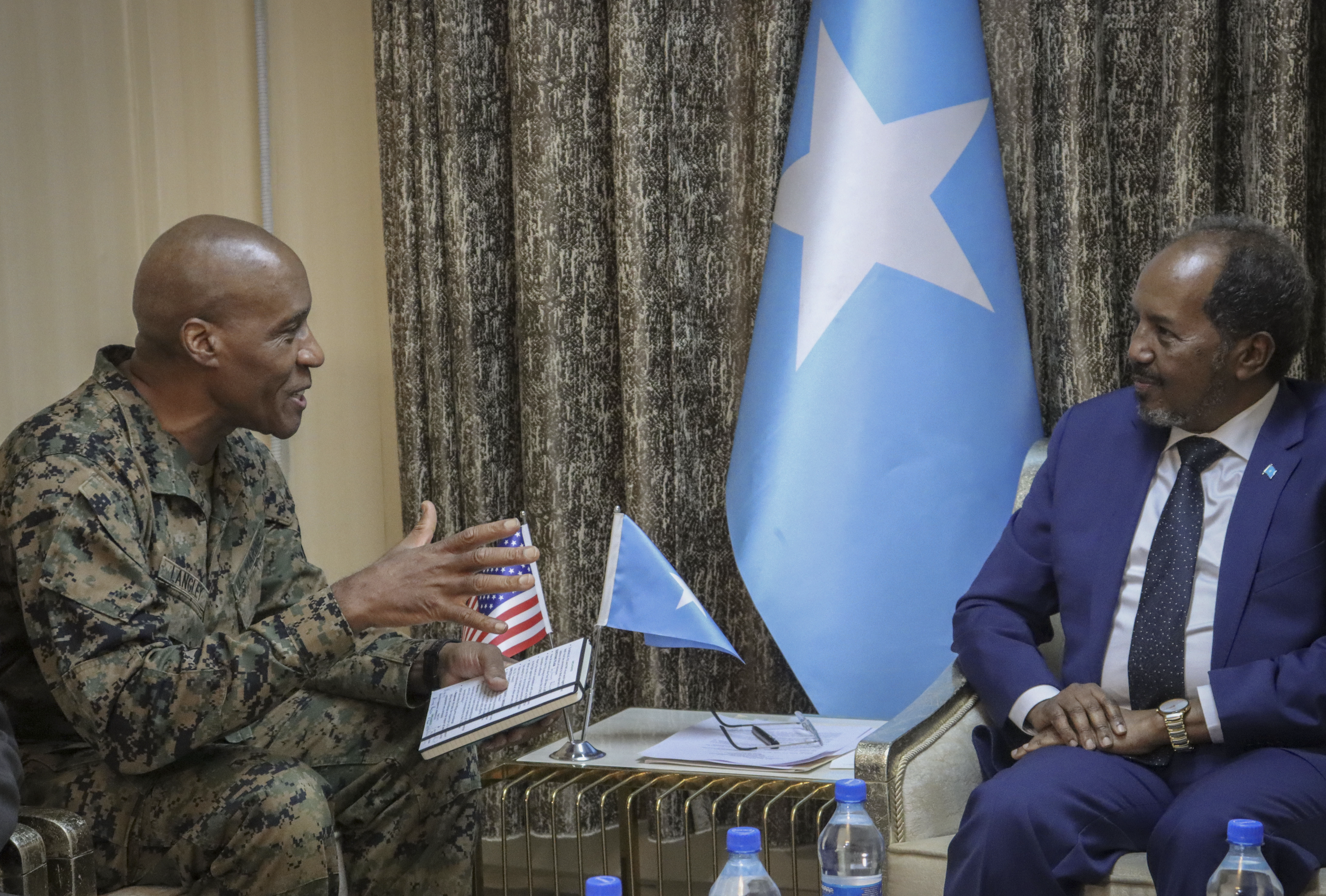
Third: The United States was already involved in conflicts in the Horn by striking Islamist groups that see Israel as among their enemies. This includes al-Shabaab in Somalia, which was attacked by AFRICOM as recently as 15 June.
As the US announcement stated:
AFRICOM, alongside the Federal Government of Somalia and Somali Armed Forces, continues to take action to degrade ISIS-Somalia’s ability to plan and conduct attacks that threaten the U.S. homeland, our forces, and our citizens abroad.
These relationships are likely to continue and may escalate.
 Martin Plaut