
For years, Eritrea and Ethiopia have been trapped in a familiar cycle: war, atrocities, repression, hunger, back to war. Yet rather than break this catastrophic cycle, political leaders have perfected the art of sliding sideways, shifting positions, crisscrossing roles, and blaming yesterday’s victims for today’s crimes.
Eritreans and Ethiopians (especially Tigrayans) are well known for the Kuda dance, moving in circles nonstop until the beat doubles and everyone shakes in place. Today, however, the region’s politics, once known for going in circles like Kuda, now feels more like the Cha-Cha Slide, a disjointed series of erratic shifts, sudden reversals, and abrupt freezes. Political actors are shifting positions with growing unpredictability, leaving ordinary citizens unsure where to stand and increasingly vulnerable to the consequences of decisions they never made.
For years, Eritrea and Ethiopia have been trapped in a familiar cycle: war, atrocities, repression, hunger, back to war. Yet rather than break this catastrophic cycle, political leaders have perfected the art of sliding sideways, shifting positions, crisscrossing roles, and blaming yesterday’s victims for today’s crimes. The aggressor becomes the “wronged party,” and those accused of invasion suddenly present themselves as being targeted for invasion. Roles shift constantly, but life for ordinary Eritreans and Ethiopians only worsens.
These constantly shifting loyalties always carry a devastating price. When the fallout of their schemes becomes visible, leaders “freeze,” claiming innocence while denying the chaos they consciously created. And when they momentarily outmaneuver a rival, often through manipulation, they demand applause, urging the public to celebrate these “victories” as if the human and material damage were insignificant.
Political alliances can contribute to peace, stability, and regional cooperation. But alliances forged to sabotage neighbors or destabilize the region inevitably backfire. Those who weaponize alliances eventually discover that today’s partner becomes tomorrow’s adversary, an old lesson the Horn keeps relearning at great human cost. Recently, political leaders, particularly the People’s Front for Democracy and Justice (PFDJ) in Eritrea and the Tigray People’s Liberation Front (TPLF) in Tigray, have adopted an even more cynical choreography. They slide sideways, crisscrossing ideological lines and overriding long-held animosities to form an alliance of former enemies against today’s perceived threats, an alliance both sides know is neither sincere nor sustainable.
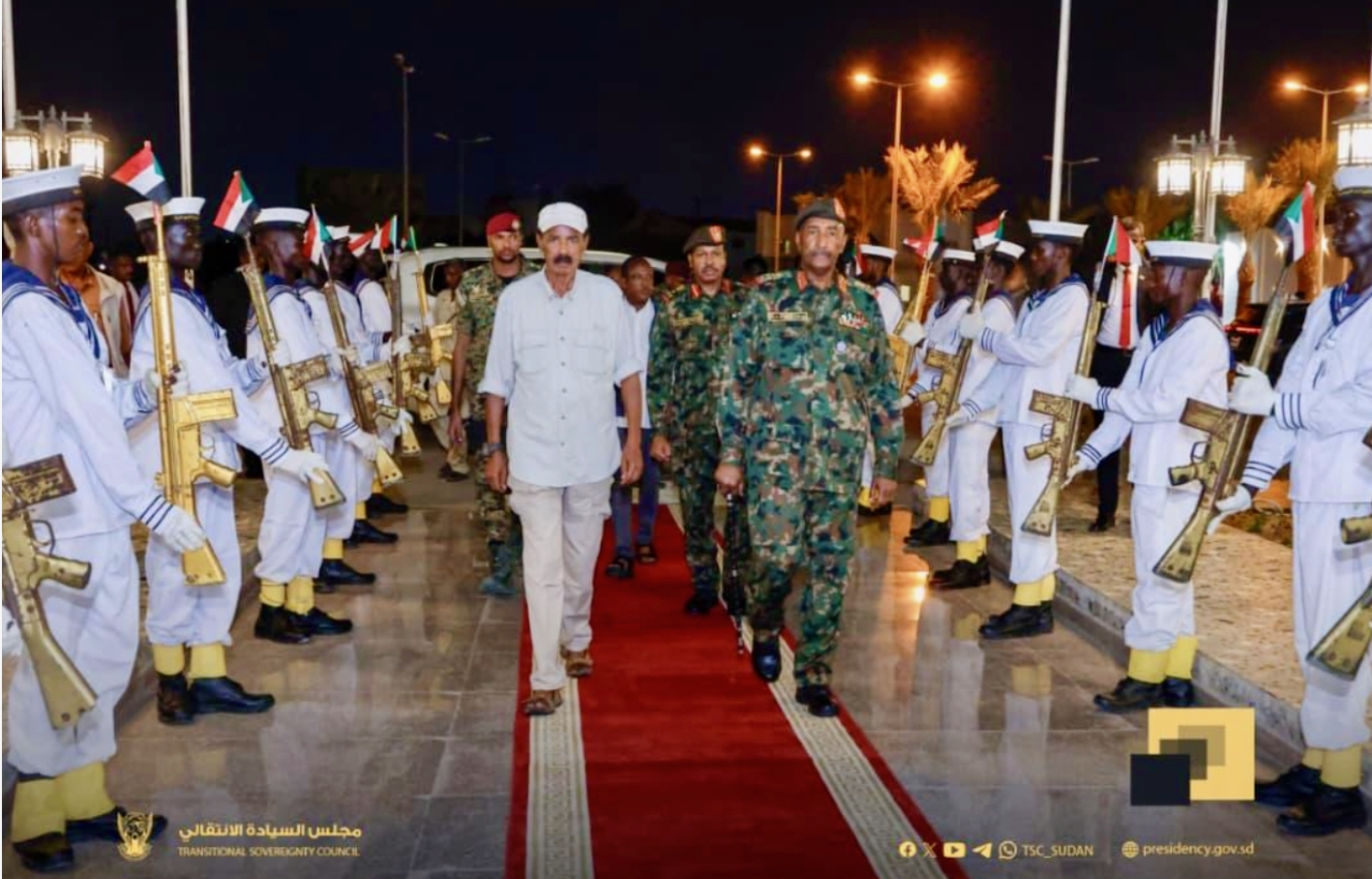
Some may view the PFDJ’s outreach to the TPLF, popularly known as Ximdo, or Isaias Afwerki’s recent visit to Sudan as clever tactical repositioning. But Isaias Afwerki has a long, well-documented history of aligning with one group to attack another, only to repeat the cycle elsewhere. Each time, it is Eritrean families who pay the price, through forced conscription, displacement, trauma, or direct exposure to conflict. The United Nations Monitoring Group on Somalia and Eritrea has chronicled this pattern for several years.
For Eritrea, these wars and alliances have produced nothing but false wins and false pride. Being on the so-called “winning side” means nothing when the nation itself is collapsing. Victory is hollow when paid for with such a heavy toll in lives and trauma, leaving behind shattered families, economic ruin, and a generation driven into exile. Every slide in this political dance drains something vital from Eritrea’s future.
What many fail to recognize is that these maneuvers are not isolated or reactive; they reflect a broader system of militarized statehood, where the survival of the regime supersedes the survival of the nation. The PFDJ has built a system rooted not in national interest but in permanent repression and managed instability because a population kept anxious, distracted, and exhausted is easier to control.
The regime’s defenders argue these maneuvers are necessary to defend sovereignty, specifically against Ethiopia’s aggressive quest for Red Sea access. However, these claims are undermined by the regime’s persistent record of indifference toward the Eritrean population. A leader who forces generations into indefinite military servitude, disappears critics without trial, and treats Eritrean lives as expendable assets in regional conflicts can’t credibly claim to be the guardian of the nation’s future, especially when these actions constitute crimes against humanity documented by the 2016 UN Commission of Inquiry. When a leader shows no regard for the dignity of his citizens, the land becomes merely a bargaining chip, not a homeland to be protected.
The hard truth is that as long as the PFDJ remains in power, repression will persist, wars will erupt, regional instability will deepen, and the suffering of ordinary Eritreans will not end. The system is built on conflict, fueled by fear, and dependent on permanent crises to extend its existence. Expecting reform from a structure explicitly designed to prevent it is not only unrealistic, but also dangerous.
Without a decisive shift away from this model of governance, Eritreans will remain trapped in a system where every path leads to peril, every hope is extinguished, and every prospect for a peaceful existence is deliberately crushed.
This is why the recent shifts in alliance between Asmara, Addis Ababa, Mekelle, and Port Sudan should not be mistaken for diplomatic genius. They are warning signs. The PFDJ’s reckless calculations are once again dragging Eritrea toward war. Unlike the predictable circles of the Kuda, this volatile political dance is marked by sudden shifts in direction and is dangerously unpredictable. And this time, there may be no reset, no second chance, and no remaining luck for Eritreans to avoid catastrophic consequences before everything is lost, unless of course, Eritreans recognize the urgency, act collectively, and demand a different path while a narrow window of opportunity still exists.
Dr. Tomas Solomon
USA
 Martin Plaut