
We build and operate drones that fly 24 hours a day, 7 days a week in all weather. And this enables a centralized, on-demand supply chain model that ensures every patient gets the treatment they need when they need it.
Source: US State Department
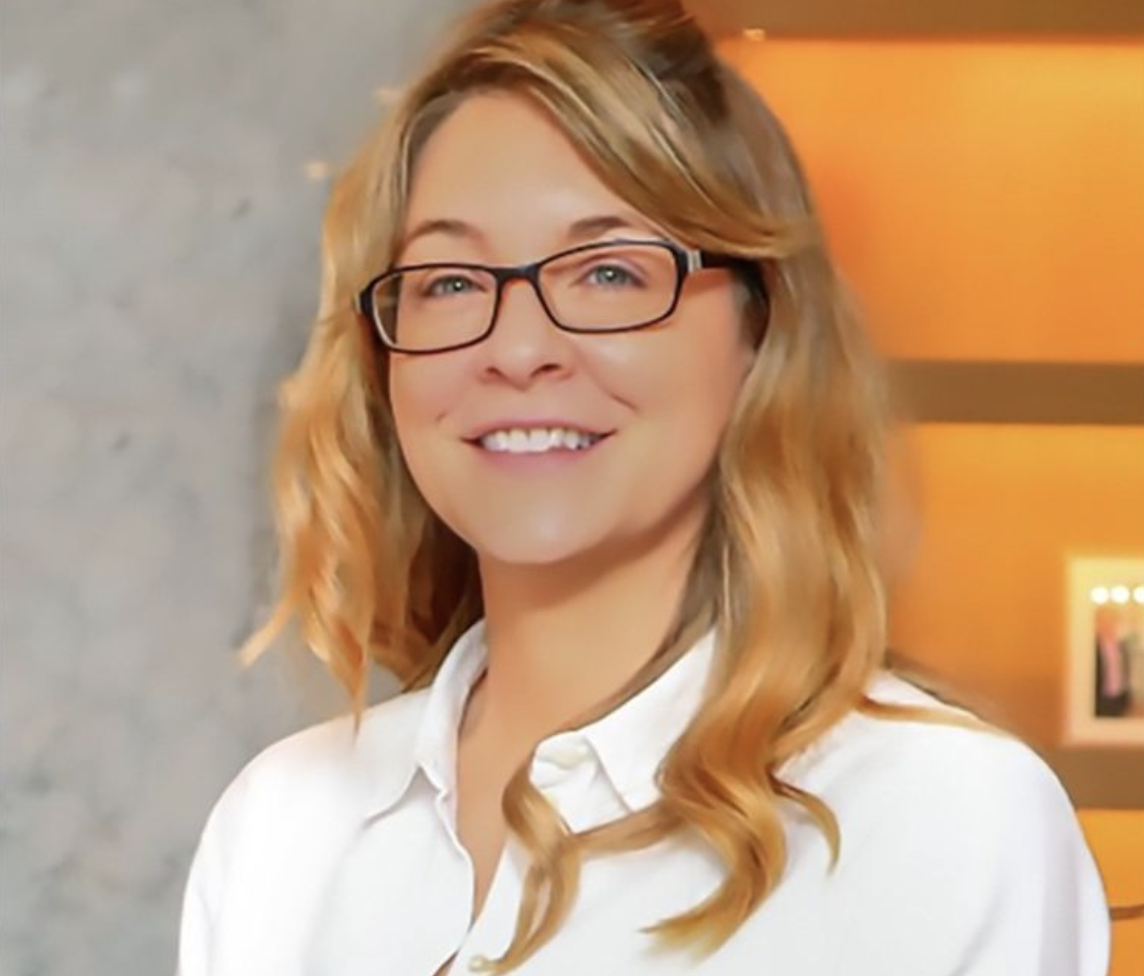
Caitlin Burton, Chief Executive Officer of Zipline Africa
I actually wanted to start the briefing today with a quick story.
On October 30th, a Rwandan woman from Nyagatare district, who was pregnant with twins, went into premature labor and suffered a placental abruption. The hospital didn’t have enough blood of her type on hand, and so getting that by road would have taken about six hours – far too slow to save her life. And so luckily, this hospital was part of Zipline’s network, and we got nearly seven pounds of blood there in 40 minutes, and that mother’s life was saved, and she can now raise her twins happily herself.
While that story is very special and meaningful to this family, it’s not unique. It happens hundreds of times a day across the countries Zipline serves. It’s made a huge difference for the populations we reach. And actually, maternal deaths are down by more than half at Zipline-serviced facilities in Rwanda where this woman’s story take place, and other countries where we’ve been able to measure it.
So for those who aren’t familiar, Zipline – we build and operate drones that fly 24 hours a day, 7 days a week in all weather. And this enables a centralized, on-demand supply chain model that ensures every patient gets the treatment they need when they need it. And it eliminates waste, it reduces administrative complexity, it saves money.
Just like how African countries skipped landlines and went straight to mobile phones, these health systems are really skipping the 19th century infrastructure that doesn’t serve anyone particularly well and is increasingly complex to manage, and it’s replacing it with this modern infrastructure whose performance isn’t measured in on-time in-full deliveries – that’s a given – but rather in raising treatment rates and improving health outcomes.
So thanks to the partnership we’ve had with these five African governments over the years, we now have evidence that we’re the least expensive and most effective way to do this. And thanks to an equally bold and visionary partner today – the U.S. State Department, who is stepping in to help these pioneering countries – Rwanda, Ghana, Nigeria, Kenya, Cote d’Ivoire – we’re going to be able to scale this service nationwide.
I also – I just want to call out a few visionary partners that we’ve had over the years. There’s a small number of deeply invested partners who are committed to moving the needle on intractable health challenges, and they were willing to kind of radically depart from the status quo. The Elton John AIDS Foundation, the Gates Foundation, Gavi, Pfizer Foundation, and the UPS Foundation all supported the reach – the operations in our partner countries to improve health outcomes for tens of millions of people, and understand exactly why this approach matters. Together with these partnerships with African governments, we have been able to cut maternal deaths by 56 percent. We’ve reduced zero-dose prevalence by 42 percent in a single year. We have reduced missed opportunities to treat severe malaria by 66 percent. And the list – the list goes on. And now we have the chance to bring this impact to countries nationwide thanks to this partnership with the State Department.
At full scale, the award will expand coverage to up to 15,000 health facilities that serve about 130 million people. It will create about a thousand jobs and drive an estimated $1 billion in annual economic growth in our partner countries in Africa.
And I think the bigger vision is, what we’ve discovered over the years, is that with a well-trained workforce, with innovative drugs, and with the most efficient and cost-effective logistics infrastructure on the planet we can finally imagine ending HIV transmission in a country, ending maternal mortality, ending severe malnutrition, just having health systems that reach everyone equally wherever they are not with a complex web of one-off programs but with a single piece of highly cost-effective infrastructure.
So we – I just want to thank Secretary Rubio, Under Secretary Jeremy Lewin, SBO Jeff Graham on the call today, everyone in the U.S. State Department for their bold vision, their smart strategy, and their swift execution. I think that this award is changing foreign aid but it will also forever change the trajectory of human health and development.
 Martin Plaut