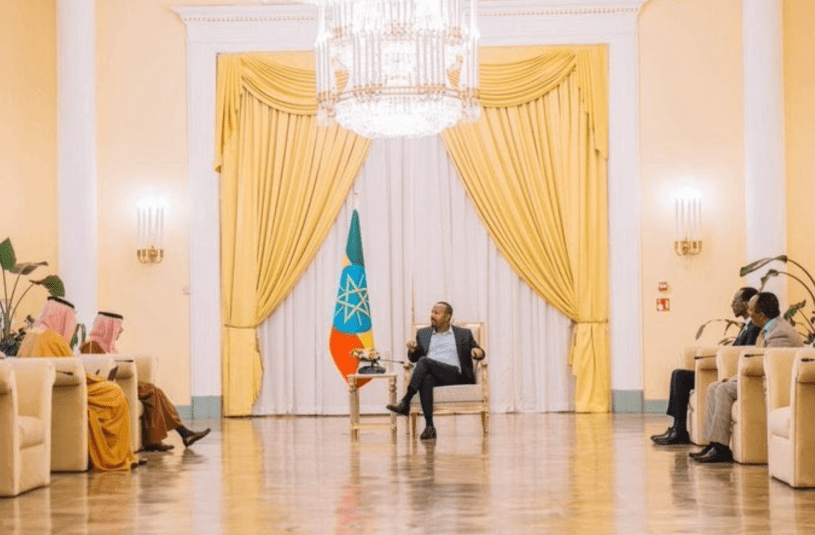
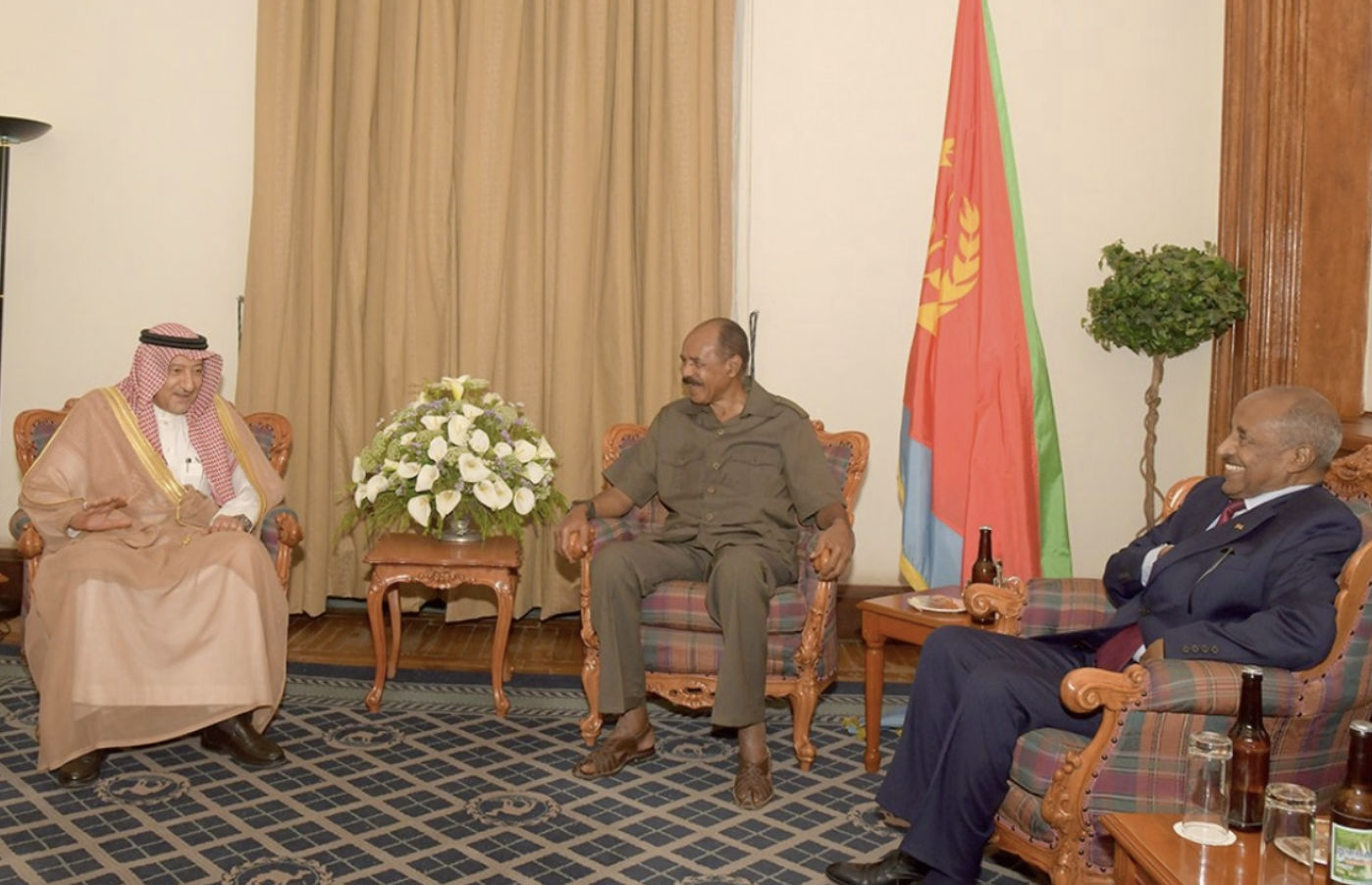
The Saudis have been on a diplomatic offensive in Ethiopia and Eritrea in recent days. First, Saudi Foreign Minister Prince Faisal bin Farhan Al Saud arrived in Ethiopia on Wednesday 11th February for an official visit.
He got to see Prime Minister Abiy.
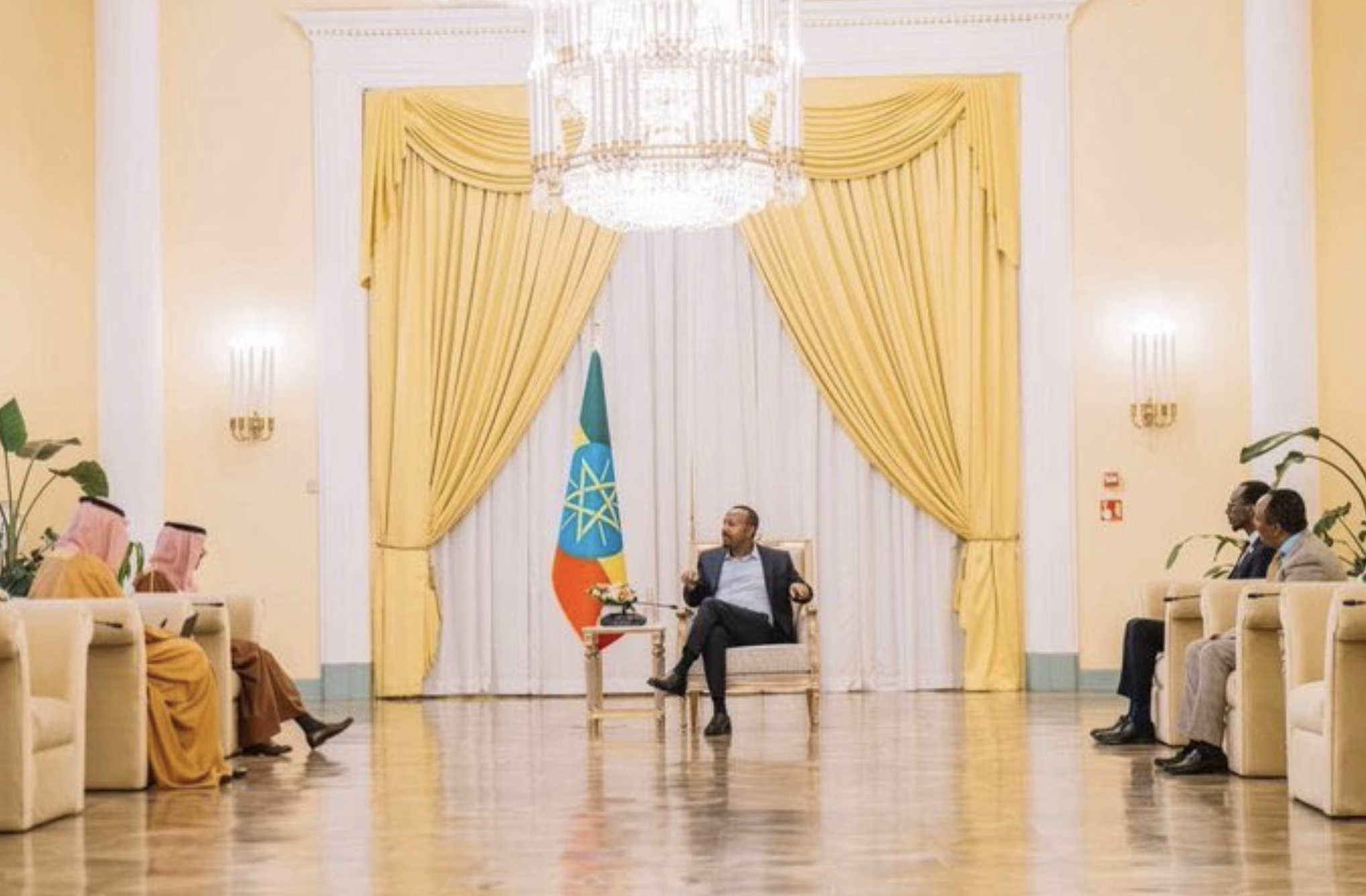
Then, on Thursday 12th February President Isaias Afwerki met a Saudi delegation led by Deputy Minister of Foreign Affairs, Engineer Waleed Bin Abdulkarim al-Khereiji.
So far, so certain. But this Saudi activity comes against a background of regional tension that suggests another conflict is in the offing. The implications are not clear, but war appears a real possibility.
For a start, the Ethiopian military have pushed their forces northwards, towards Tigray and Eritrea.

This followed repeated reports of clashes between Tigrayan and Amhara forces in disputed regions of southern Tigray.
Tigray under threat
The transportation of weapons and troops has alarmed the Tigrayans, with the TPLF issuing an appeal for the African Union to intervene during the coming AU Summit.
The TPLF letter said Tigrayans:
“urgently draw your attention to the rapidly deteriorating situation in Tigray and the broader Ethiopian context. Despite the commitments solemnly undertaken under the Cessation of Hostilities Agreement (CoHA), key provisions remain only partially implemented, while renewed military mobilization, rising tensions, and coercive measures risk reversing the hard-won gains toward peace.”
This comes after repeated claims that war was imminent. Thomas Gardner, the Economist’s excellent Ethiopia correspondent (expelled from Addis and now working from Nairobi) reported that:
In a speech to parliament on February 3rd Abiy Ahmed, Ethiopia’s prime minister, suggested that the TPLF was made up of “traitors” working to “dismantle Ethiopia”. “[The Ethiopian army] is mobilising in full force,” says a TPLF official. “I can’t tell you how scary this war is going to be if Abiy doesn’t stop what he is doing.”
The African Union has attempted to intervene. As Gardner pointed out:
On January 30th the African Union (AU) publicly offered to mediate between the Ethiopian government and the TPLF. Ethiopia replied privately that the AU should stop meddling in its internal affairs, according to a source with first-hand knowledge of conversations between the two parties. Some in Mr Abiy’s circle may have concluded the time is ripe for firmer measures against the TPLF. That does not mean war is imminent. Both sides have good reasons to be cautious. The TPLF has been weakened by years of infighting. Mr Abiy has many enemies—including neighbouring Eritrea, which has grown closer to the TPLF.
The Saudi – UAE rift ripples across the Horn
The background to these events are the divisions that have become apparent between Saudi Arabia and the UAE.
As the Washington Post reported in January:
The long-simmering rivalry between Saudi Arabia and the United Arab Emirates that erupted across southern Yemen in recent weeks has led to a dramatic shift in the regional balance of power — and threatens to upend other fragile states where the two countries hold sway.
Saudi Arabia, which props up the internationally recognized government in Yemen, intervened last month after UAE-backed separatists swept through and seized key territory, striking the rebel fighters and targeting an Emirati consignment that Riyadh said contained weapons for the group. The UAE quickly withdrew its troops and the separatists’ leadership council promptly dissolved.
But the rupture between the two oil-rich monarchies is already rippling beyond Yemen as Saudi Arabia, alarmed by what it sees as aggressive military and foreign policy moves by its much smaller neighbor, works to counter the deep web of influence Abu Dhabi has spent years building in the Horn of Africa and around the Red Sea.
The implications of the Saudi-UAE divide are now evident.
Across the region governments are being forced to take sides. The Saudi Camp is shown here in green; the UAE camp in red.
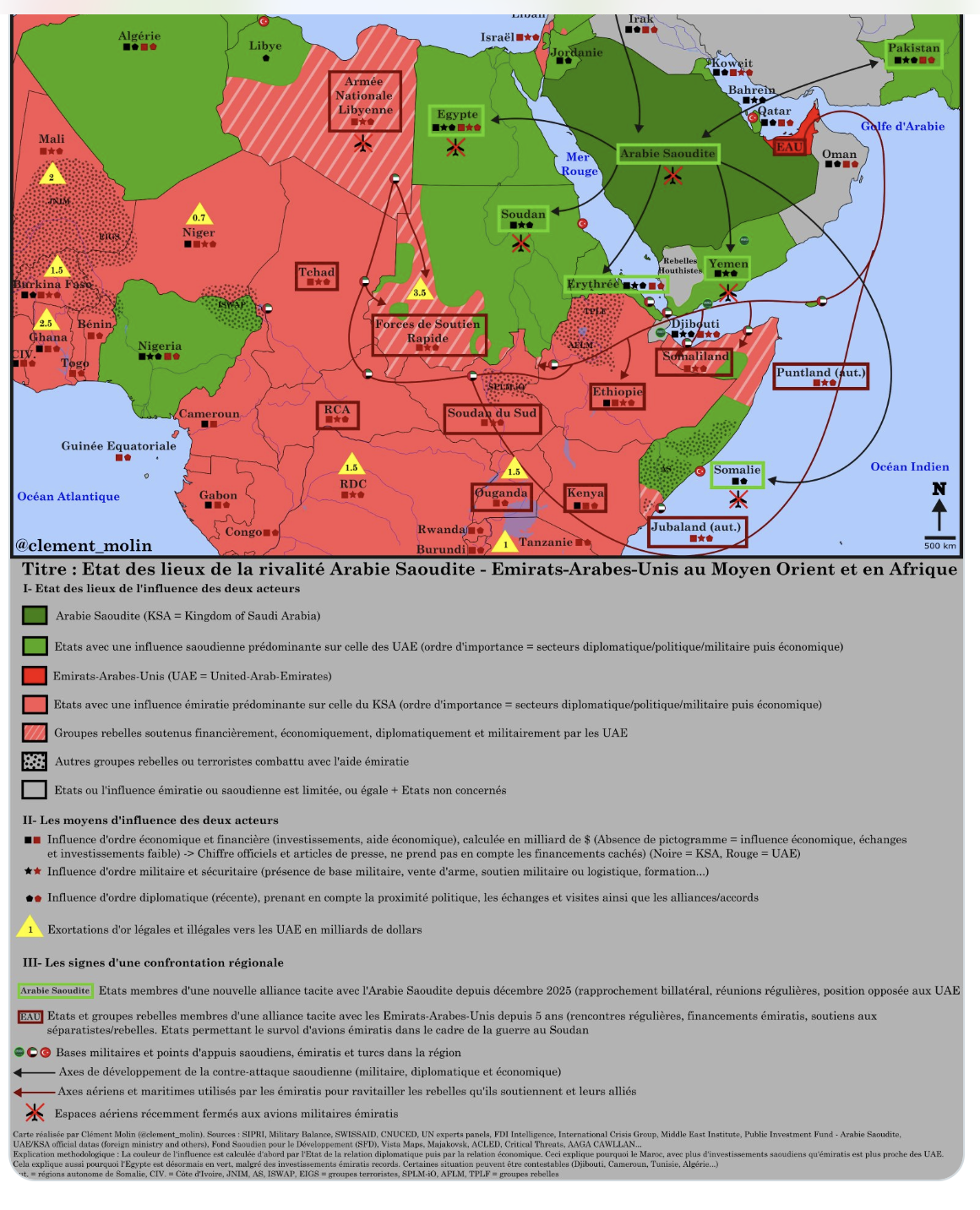
The latest evidence of these alliances was presented by Reuters, which reported on training camps for Sudan’s RSF in western Ethiopia, supplied by the UAE.
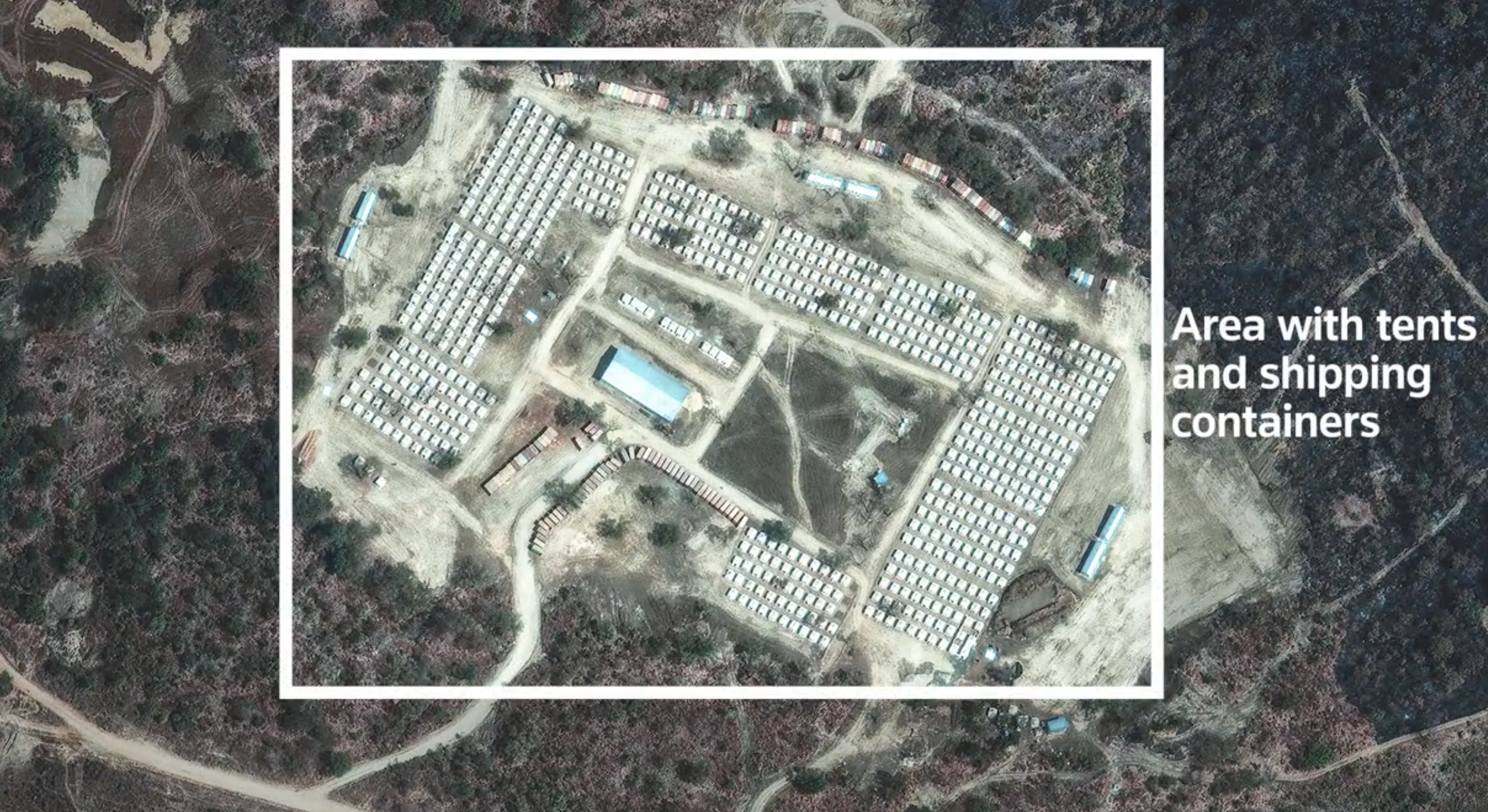
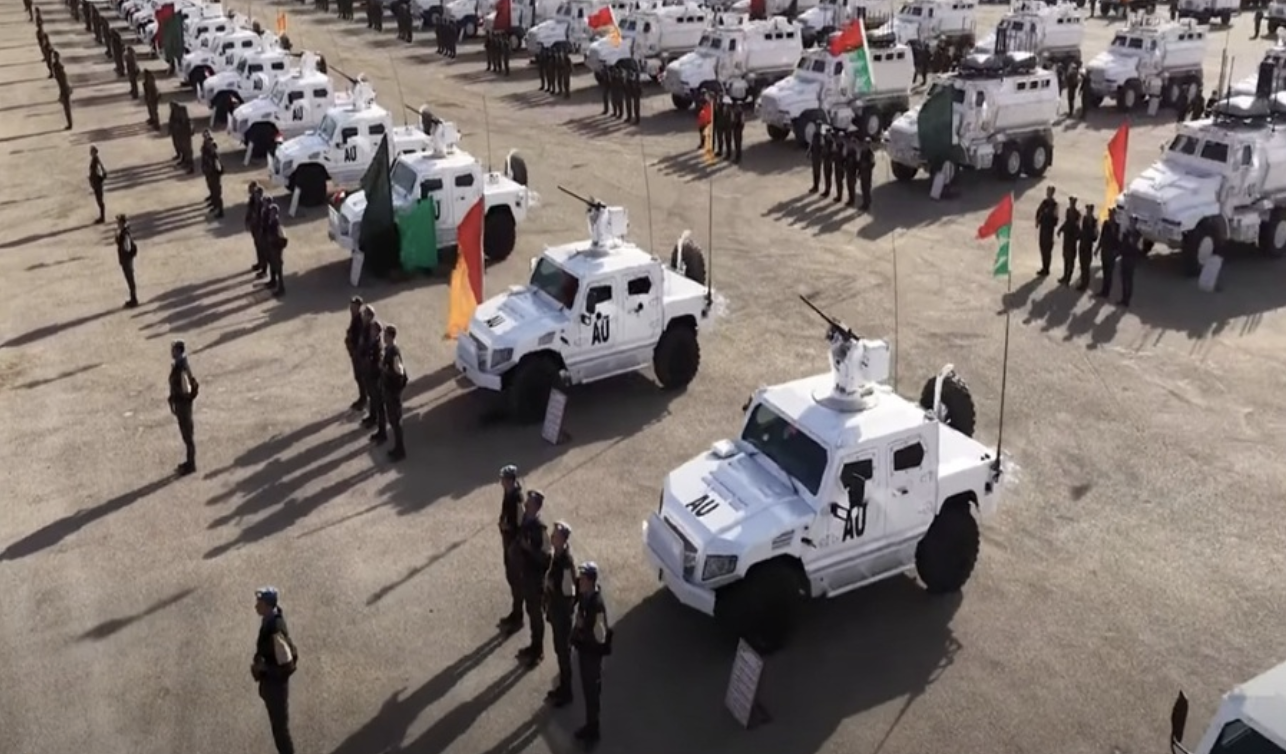
There is one other regional development that must be highlighted. The Egyptians, long enemies of Ethiopia because of its use of the Nile and the building of the Great Renaissance Dam, has moved forces into Somalia. Their role is apparently to bolster the Somali government in its fight with al-Shabaab. But could they really have another task: to mount an attack on Ethiopia through its western Somali region?
Is war inevitable?
The answer – at present – must be no.
What we see amounts to this:
- Troops movements and warnings of potential conflict,
- Intense diplomatic activity both by the Saudis and the African Union,
- Behind the scenes attempts by the United States and the European Union to prevent a renewal of conflict.
Will these succeed? Or will Prime Minister Abiy’s long held quest for a route to the sea, combined with instability in the wider region lead to war. The answer must be: perhaps.
 Martin Plaut