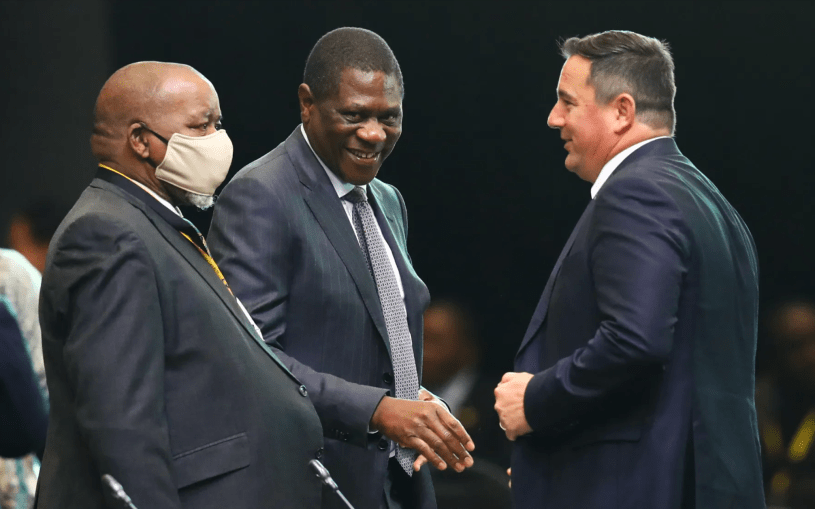
So there it is: a shiny new government. Although there is lots still to be revealed about how it will work, who will get Cabinet posts and what it will do in South Africa’s provinces and metros.
The first thing to say to all South Africans is congratulations! This was a real election, which accurately reflected South African opinion – a rarity in Africa.
The key relationship is between the ANC and Democratic Alliance, and you can see the agreement between them in full, right here.
Lessons from history
What can we learn from the past?
First, that this is really a coalition government not a true government of national unity, since many parties are not included – particularly the EEF and MK.
Second, that the previous Government of National Unity, 1994 – 1999, tells us that the National Party was swallowed up. One section was absorbed by the ANC. The other by the Democratic Alliance.
Third, the last real coalition government was the PACT government between the two World Wars. This emerged from the chaos and bloodshed of the Rand Revolt of 1922 – possibly the closest South Africa has ever come to a true revolution.
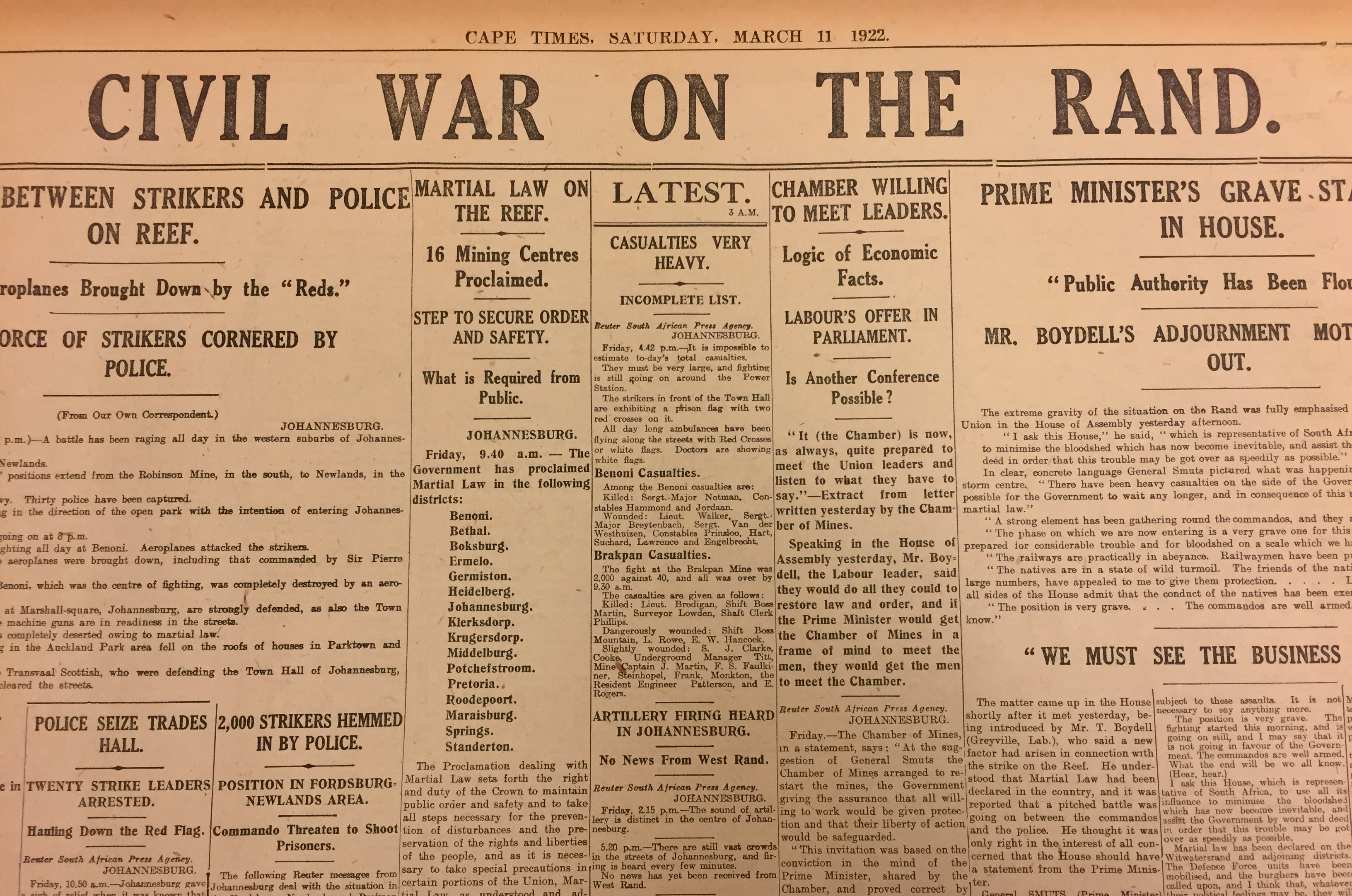
Initially the South African Labour Party joined the Communist Party in supporting the miners’ revolt, but when it was brutally crushed by Jan Smuts, using artillery, troops and aircraft, the Labour Party decided to minimise its losses, and joined Hertzog in the National Party. The resulting government saw the Labour Party split, and finally disintegrate.
Both the 1994 Government of National Unity and the PACT government must be warnings to the Democratic Alliance. Coalitions can be deadly for the smaller partners.
Fourth, unless the current coalition can deliver real growth and real jobs for South Africans it will be outflanked by the populists – the Economic Freedom Fighters (EFF) and Zuma’s MK. The EFF have already declared that they are establishing a Progressive Caucus with the United Democratic Movement (UDM), Al Jama-ah and others. They now regard themselves as South Africa’s ‘official opposition’ and will certainly do all they can to feed off any mistakes the ANC, DA and their allies make.

This is surely a moment of great risks and great opportunities for South Africa. Much is at stake as the government is unveiled.
 Martin Plaut
Dear Professor Plaut…… I just read a NY Times article and it kind similar to your article here. But the article concludes by predicting there will be, collapse and paralysis, just like the coalition regional governments in the country. I believe South Africa is the only hope to be a Model of coalition governments in Africa. You need to write in detail analysis of or you need to expand this article if possible or is there a book you can refer here?
I have been following South African politics and I have read multiple books, but some of the important issues get clouded by too much details in the books I read. Your writing seems to focus on the subject matter.
Diversity and Alliances is a sign of healthy democracy.
The MK and EFF seem to be driven by the personal individual grudges of their leaders(war lords).
Best regards
Peter
Dear Peter, I am afraid that I am not a professor, just a simple Mr. I am working on another book at present and don’t have time to expand what I have written. I hope that others will. Best wishes. Martin