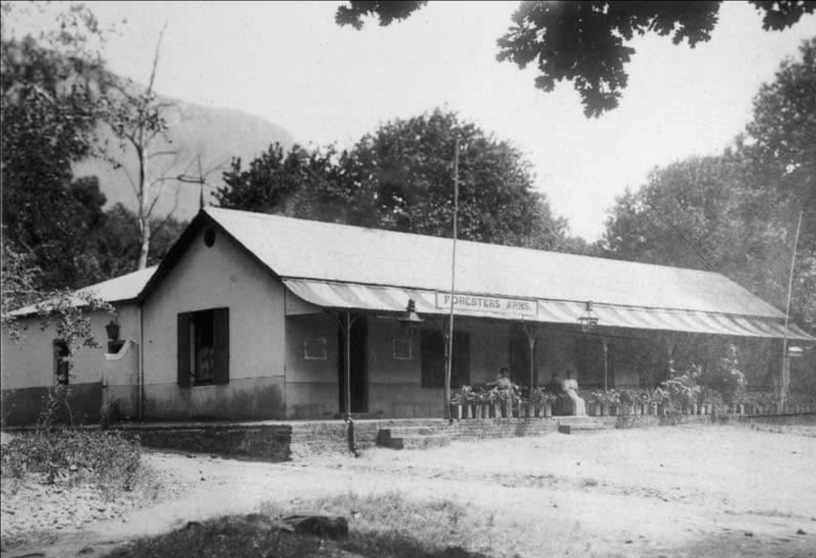
The Foresters Arms was a famous institution; a haunt for students from the University of Cape Town. Few women came on their own in the 1960’s and ’70’s, but it did have a real atmosphere.

We would drink, play darts and chat around its bars. It was, of course, a segregated institution since this was at the height of apartheid. Many activities were planned over a pint: some designed to resist the racist government, many just walking or climbing expeditions. This is a brief history, not written by me.
Martin
The Story of Foresters Arms, Newlands
Foresters Arms, known locally as Forries, has a long history rooted in the early development of Newlands, Cape Town. The land on which Forries stands was originally part of Papenboom, a farm owned by James Maynard. Facing financial trouble in the 1800s, Maynard subdivided his land into 200 lots, raffling them off at £25.10 per ticket.

David Williams, who purchased many of these tickets, acquired significant portions of land, including a building known as “The Cottage”. He used this site both as an office and a rest space for his workers. Williams was known for his belief in providing decent conditions for his labourers.
On 28 September 1881, the property that included “The Cottage” was sold to Simon Londt, who converted it into an inn. This marked the official beginning of Foresters Arms as a public tavern, one of the earliest of its kind in the Cape Colony. Its location on the road between Cape Town and Simonstown made it a convenient stop for travelers using horse-drawn carts.
Around the same time, Newlands saw the emergence of four breweries, all benefiting from access to the Newlands Spring:
Mariendahl Brewery – Established in 1840 by Jacob Letterstedt, connected to Josephine Mill, and known for using the spring’s water in beer production.
Cloete’s Brewery (Newlands Brewery) – Started in 1866 by Daniel Cloete, grandson of David Williams. This brewery stood directly opposite the Foresters Arms.
Cannon Breweries – Founded in 1874 by Dr Jonas Michael Hiddingh, who also invested in taverns and canteens to promote his beer.
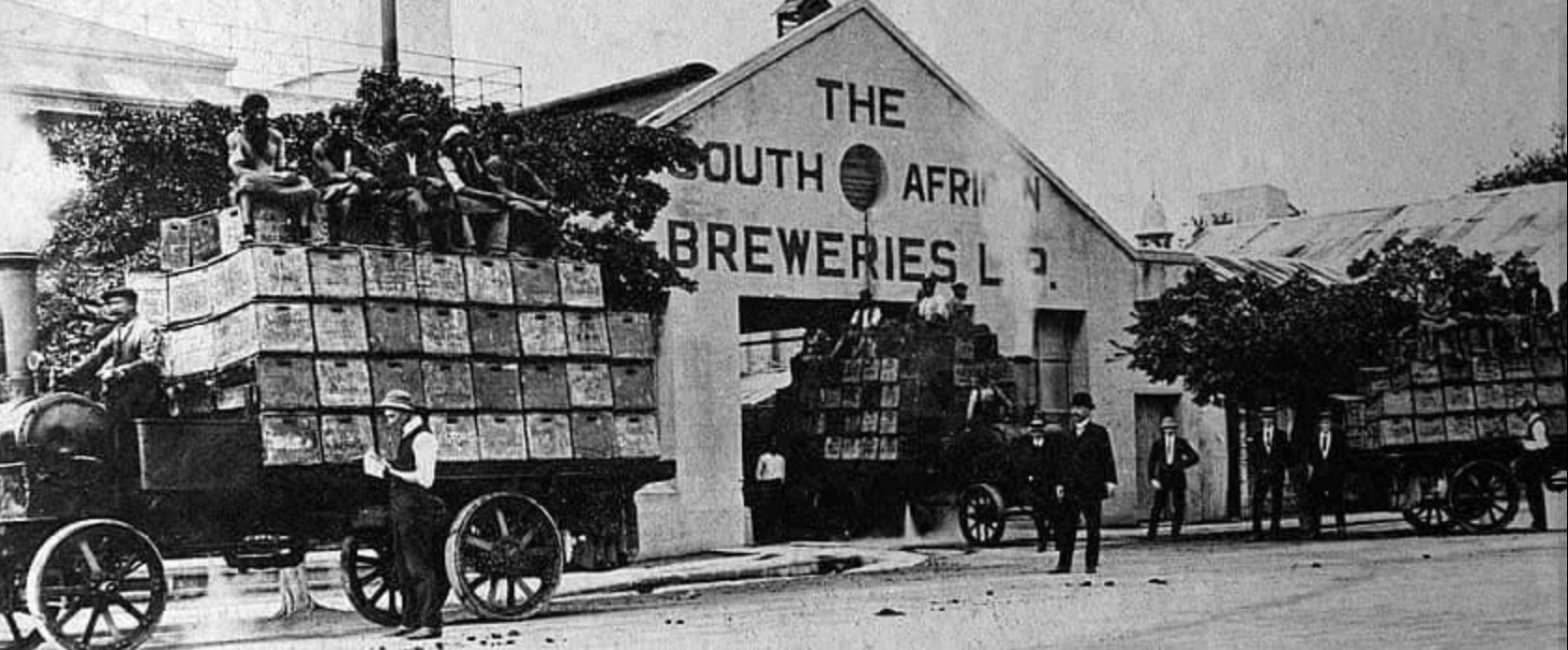
Anders Ohlsson’s Brewery – Known as the father of modern brewing in South Africa, Ohlsson bought the Anneberg Mill from David Ireland and converted it into the Anneberg Brewery.
These breweries played a major role in shaping the area’s brewing heritage, with Newlands Brewery still active today under SAB.
Foresters Arms remains a functioning pub and restaurant, maintaining its link to Newlands’ early brewing and tavern history.
 Martin Plaut
I stayed for a few weeks at the Pig and Whistle in Rondebosch when I first arrived in Cape Town to teach at UCT in the summer of 1964
David Seddon
Sent from Outlook for iOShttps://aka.ms/o0ukef
thanks for that insight into its history
A pleasure!
it’s lost its charm. Now
I lived in Newlands and Rondebosch in the 70s and loved Forries and the Pig and Whistle. I travel back to Cape Town ( from UK ) every 10 years to celebrate my anniversary of getting engaged on Table Mountain. I will be there next year and will take a trip down memory lane at Forries. and Pig and Whistle if it is still there.It was lovely to read about them Martin.
How lovely! Happy anniversary
Hi Martin, loved the piece on Forries. Any info on the origins of the name
Not a clue, I am afraid.