By Mulugeta Gebregziabher, PhD
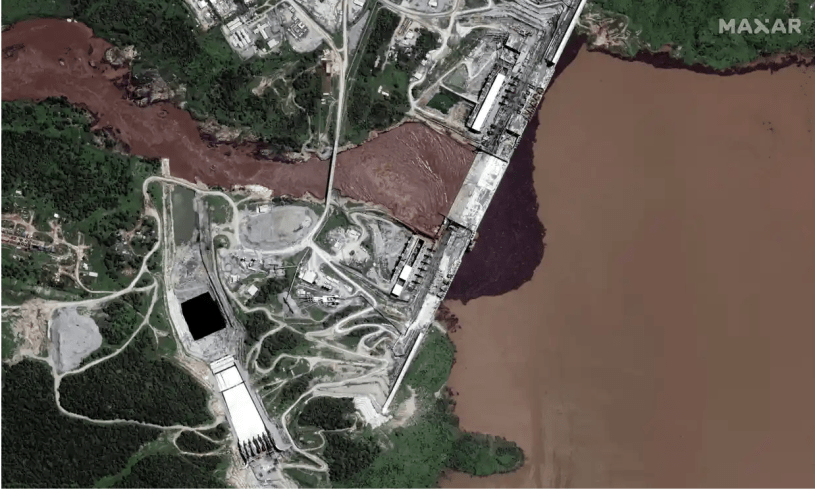
The Grand Ethiopian Renaissance Dam (GERD), built along the Blue Nile in Guba, Benishangul-Gumuz region, Ethiopia is more than a hydroelectric project, it is a symbol of Ethiopia’s aspirations, a testament to its people’s unity, and a reflection of the complex interplay between geopolitics, sovereignty, sacrifice, and desire for renaissance. Yet, its story is also one of compromised potential, delayed completion, and stolen legacy, which was in full display during the inauguration of the dam in September 2025- when a new name ‘Nigat’ was suggested and a dishonest linkage was made between the dam and Emperor Haile Selassie while stripping the legacy from the true founder, Meles Zenawi. According to Drs. Nyssen, Hailemariam and Billi, “What’s beyond doubt is that the late Meles Zenawi’s role in the project is unrivaled, and it was under his watch that Ethiopia began the construction of the dam on 2 April 2011, with the main aim of producing electricity for Ethiopia and the Horn of Africa”.
The Visionaries Behind GERD
In April 2011, Prime Minister Meles Zenawi laid the dam’s foundation stone, and the project, known as Project X and later the Millennium Dam, was renamed to be called the Grand Ethiopian Renaissance Dam (GERD). The genesis of GERD lies in the strategic mind of Prime Minister Meles Zenawi, who not only conceived the idea but made the critical decisions that set the project in motion. He made sure that there are domestic financial sources and buy-in from the people of Ethiopia. He chose Salini Impregilo, an Italian firm known for its technical excellence and willingness to transfer knowledge to Ethiopian engineers, a decision that ensured the dam would be built not just for Ethiopia, but by Ethiopians, with sustainable capacity development ensured through the mass involvement of Ethiopians in all aspects of the building of the dam. The dam was visited by engineering students from all universities in Ethiopia.
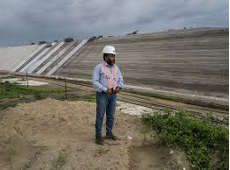
Next to Meles Zenawi, no name is more closely associated with GERD than Engineer Simegnew Bekele. As the project manager and public face of the dam, Simegnew embodied the spirit of national service. His tireless work, often under immense pressure, and his tragic death in 2018, remain etched in the national consciousness. His sacrifice is a stark reminder of the human cost behind monumental achievements.
In addition to Meles Zenawi, there were key government officials who played critical role. For example, before construction began, Foreign Minister Seyoum Mesfin was dispatched to Italy to initiate negotiations with Salini, laying the diplomatic groundwork for what would become Africa’s largest dam.
Later, Dr. Debretsion Gebremichael, as board chairman, played a pivotal role in steering the project through its most challenging phases, ensuring continuity and technical oversight after Meles’s passing. So do, General Kinfe Dangew who led the Metals and Engineering Corporation (METEC) which was a subcontractor at the different phases of the dam.
Diplomacy and Nile Cooperation: Breaking Colonial Chains
One of the most critical yet underappreciated aspects of GERD’s success was the diplomatic groundwork laid by Meles Zenawi and the EPRDF government. Meles championed a new era of Nile cooperation, challenging the outdated and unjust colonial-era treaties that gave Egypt disproportionate control over Nile waters. Through persistent diplomacy, Ethiopia helped forge the Nile Basin Initiative, bringing together upstream countries like Uganda, Kenya, Rwanda, Tanzania, and Burundi to advocate for equitable water sharing. This coalition was instrumental in shifting the regional narrative and asserting the rights of all riparian nations. However, due to diplomatic expediency of Abiy Ahmed, the tension over the dam with Egypt and Sudan is at its highest level.
A Dam Compromised
Originally designed to generate 6,500 megawatts, GERD’s final output was reduced by 3,500 megawatts, a staggering compromise. Years of delays, political interference, and technical setbacks have left the dam operating below its intended capacity. While it still represents a major achievement, the reduction in scale has muted its transformative potential. More importantly, it killed the original ambitious agenda of building the largest possible dam on the Nile.
The Politics of Exclusion
Despite the dam’s collective nature, the inauguration was marred by political exclusion, omission, betrayal and theft of legacy. The Tigrayan community, which contributed significantly, financially, politically, and through leadership, was not only ignored but actively humiliated. For example, my family and I have contributed, with no expectation of return, to the construction of this dam like many Ethiopians from all walks of life. However, Prime Minister Abiy Ahmed and his advisor Daniel Kibret failed to acknowledge the sacrifices of Tigrayan leaders and professionals, distorting the historical record and undermining the spirit of unity GERD was meant to foster. This didn’t pass unnoticed by many Ethiopians including those who opposed Meles Zenawi who expressed their disdain to Abiy Ahmed by sharing on social media statues of Meles and Simagnew as the true heroes who deserve their legacy printed on the walls of the dam. Many, including fierce critics of Meles, like Jawar Mohammed, have even suggested for the water reservoir to be named after Meles.
Engineering Integrity Undermined
Following Simegnew’s death, the engineers who succeeded him are accused of failing to uphold the original vision. Under pressure from the Abiy administration, they compromised the dam’s design and capacity, prioritizing political expediency over technical excellence. Their acquiescence not only diminished the dam’s output but also betrayed the legacy of those who had fought to make GERD a world-class project. The lack of transparency and accountability in these decisions has left many Ethiopians questioning the integrity of the final product. This could also make it open to continuation of stated concerns by Sudan and Egypt.
Regional Geopolitics: The Nile Basin Tensions
GERD’s impact extends far beyond Ethiopia’s borders. As a Nile upstream country, Ethiopia’s control over water flow has triggered alarm in Egypt, which relies on the Nile for over 90% of its freshwater. Egypt, backed by powerful allies including the United States, has lobbied aggressively to limit Ethiopia’s control over the dam’s operations. Other Nile Basin riparian countries, such as Sudan, South Sudan, Uganda, Kenya, and Tanzania, have watched GERD with mixed reactions, some seeing it as a model for regional development, others fearing disruption to water flow and regional stability. The lack of a comprehensive, legally binding agreement on water usage continues to fuel diplomatic tensions. Such situation would never have happened under Meles’s leadership since he was a consensus builder and advocate of fair and mutual benefit. The Nile Basin Initiative (NBI) was established in 1999 as a cooperative framework among the Nile riparian countries to promote equitable and sustainable management of the Nile River’s resources. It aimed to foster regional integration, mutual trust, and joint development projects, particularly among upstream and downstream nations. Ethiopia, as a key upstream country, played a central role in the NBI, especially in advocating for its right to utilize Nile waters for development, including the construction of the Grand Ethiopian Renaissance Dam (GERD). However, Prime Minister Abiy Ahmed’s decision to bypass the NBI and take the GERD negotiations to Washington, D.C., during his visit to the Russia-Africa summit marked a significant shift. This move effectively dismantled the cooperative spirit of the NBI, sidelining regional consensus in favor of bilateral talks mediated by the U.S., which leaned heavily toward Egypt’s interests. Abiy’s concessions to Egyptian President Abdel Fattah el-Sisi during that summit gave Egypt diplomatic leverage, allowing it to push for a binding agreement that would restrict Ethiopia’s control over the dam.
Peace as a Prerequisite for Progress
The dam’s full potential cannot be realized in a country fractured by civil conflict. The ongoing wars in the Amhara region, Western Oromia and the impending war against Eritrea makes it very difficult for the dam to deliver the promised electric power. Wars deplete the human and financial resources needed to expand transmission infrastructure and maintain operations. They also inflict environmental damage, undermining the very foundation of sustainable green energy. Without peace, GERD risks becoming a monument to lost opportunity rather than a beacon of progress. Abiy Ahmed should choose between making peace by working towards peace instead of his war rhetoric and unlimited expenditure to prepare for war against internal and external forces.
USA’s Role in Peace of the Horn Region
U.S. involvement in the Grand Ethiopian Renaissance Dam (GERD) dispute took a controversial turn, with President Trump openly siding with Egypt’s concerns over the dam’s impact on Nile water flow. In 2020, Trump infamously suggested that Egypt might “blow up the dam” if no agreement was reached, a statement that shocked Ethiopians and was widely condemned as inflammatory. His administration attempted to mediate the dispute but leaned heavily toward Egypt’s position, pressuring Ethiopia to sign a binding agreement that would limit its sovereign control over the dam. Ethiopia refused, citing its right to utilize its own resources for development. This was pre-empted by the naïve decision of Prime Minister Abiy Ahmed’s to take the GERD negotiations to Washington, D.C., which was seen by many as a strategic misstep. It effectively sidelined the Nile Basin Initiative, a regional framework designed to ensure equitable water sharing among riparian states and gave Egypt a diplomatic upper hand. Since then, Trump has repeatedly made provocative remarks, including recent comments expressing displeasure over the dam’s completion and falsely claiming it was “stupidly financed by the United States”. All these is done for Egypt, a major recipient of U.S. military aid, second only to Israel- with Trump publicly endorsing Egypt’s concerns, both legitimate and exaggerated, about the dam’s impact on Nile water flow. Given Egypt’s status as a major U.S. military aid recipient, its alliance with Eritrea and Somalia against Ethiopia could have serious implications for regional stability and the future of cooperative water governance in the Nile Basin. Unless the US plays a constructive role, the geopolitical fallout is significant. With Ethiopia’s Red Sea ambitions and the GERD’s symbolic assertion of sovereignty, and the alliance between Egypt-Eritrea-Sudan risks a regional conflict. Add to this the ongoing internal wars in Tigray, Amhara and Western Oromia. It is imperative that the US plays a constructive role by asserting its leadership in the Cessation of Hostilities Agreement that was signed between Tigray and Ethiopia in Nov 2022 and stopping the internal strife in Ethiopia before the region descends into chaos.
A Legacy Worth Protecting
GERD stands as a collective achievement of the Ethiopian people, as Meles Zenawi envisioned. It is a symbol of what national consensus can achieve as a tool for cohesion, pride, and progress. But for this legacy to endure, Ethiopia must embrace a narrative that transcends individual ambition, ethnic division, and political exclusion. What is shocking to this author is the dishonesty and failure of Hailemariam Desalegne and the former appointees and comrades of Meles, who are still alive serving Abiy Ahmed, to utter a single word of appreciation to their former boss or even to defend their contributions that are dismissed by Abiy Ahmed. They lack the courage to tell the truth. Luckliy, there was an honest Italian man who was invited to the inauguration who gave credit to the irreplaceable role of Meles.
About the Author: The author of this opinion piece, Mulugeta Gebregziabher (PhD) is Peace Laureate of the American Public Health Association and, serves as a tenured professor of biostatistics and vice chair of at the Department of Public Health Sciences, at the Medical University of South Carolina, USA. Views are his own. He can be reached at mulugeta.gebz@gmail.com or his X @ProfMulugeta
 Martin Plaut
why do you mislead people,this is how clean it is
The author of this article does not know the History of the dam, if he did his research and look at the old Ethiopian 50 dollar from Emperor Haile Selassie time he will see the dam and His Majesty did Prophetically say that Ethiopians of the future will built the Dam which came true after PM Mel3s Zenawi started the construction and was finished by PM Abiy Ahmed and it was all funded by Ethiopians so he needs to be honest in his assesement and give credit where it is due and cut out the Ethnicity politics to further divide Ethiopians.
It is another piece of partisan low level politics intended to glorify the past with all of its ugly sides and to undermine the present with all of its monumental achievements. Ethnics politics will never go away.
There was no stolen roll from any body because the one who started the dam and who finished and inaugurated dam all are belongs to Ethiopian don’t bother your self with this foolish ideas.
This is an ethnically biased, tribally oriented ⁹and non professional out look which is not expected from the one claimed from academics. No one denied Melese,s contribution but he assigned those robers like knife dagnewu who was the so called METEC head who stolen the money that the poor Ethiopian mother contributed for the construction of the DAm. For him tribal and selfish ego is far a concern than a national interest. This has contributed for the delay of the dam construction and the need for additional budget that METEC gangsters have sto stolen.
In discussions about Ethiopia’s development, it’s crucial to acknowledge the foundational contributions that have shaped its current trajectory. Tools like the help panel can offer structured support in understanding complex topics, while incorporating a Strobe Light can assist in highlighting key aspects of such discussions. By utilizing these resources, we can ensure a more comprehensive and accurate representation of Ethiopia’s journey.
In the realm of legal and medical expertise, professionals such as Legal Nurse Consultants play a crucial role in analyzing complex cases, including those related to infrastructure projects like GERD. Their expertise ensures that all aspects, from design to execution, adhere to the highest standards of safety and compliance.
Furthermore, understanding the implications of such large-scale projects extends to areas like product liability. It’s essential to recognize that the repercussions of compromised projects can affect various stakeholders, and thorough investigations are necessary to uphold justice and accountability.
Thank you for this insightful analysis of Ethiopia’s GERD project. The Grand Ethiopian Renaissance Dam stands as a monumental achievement, symbolizing Ethiopia’s aspirations and the collective sacrifice of its people. However, the challenges and geopolitical tensions surrounding its completion highlight the complexities involved in such an ambitious endeavor.
On a different note, for those interested in natural solutions for pest control, particularly ant infestations, Diatomaceous Earth for Ants offers an eco-friendly alternative. Additionally, for individuals exploring alternative health solutions, CDS Solution has garnered attention.
I only wish the author of the article was honest enough to disclose his connection with Meles Zenawi, Mesfin Seyoum, Debretsion, General Kinfe. Kinfe was essentially looting the state treasury and bartering with resources meant for GERD. The proceeds were divided up within his circle of friends. Salini was in Ethiopia decades before Meles seized power. Yes, Abiy was dishonest and less competent than Meles. Remember, Abiy was Meles’s protege. But Meles’s plan in building GERD was to advance his own region’s welfare at the expense of the rest of the nation. That’s why the author and many like him “generously” contributed to the project. The author’s praises for Engineer Semegnew was simply for the purposes of accusing Abiy for his death. Semegnew was likely killed by those the author claims were sidelined for recognition; the engineer had all the info and was about to divulge them to incoming Abiy. He was cut short. There we go. Author is very dishonest.
Thanks Martin, for publishing my comments. I thought you would not, considering your history of siding with Tplf.
Just to point out one of many inaccuracies in the author’s article; author stated that GERD was “originally designed to generate 6,500MWs and final output was reduced by 3,500 megawatts, a staggering compromise.” Not really. Original MW in 2011 was 5,250MWs. That was upgraded to 6000MWs between 2012 and 2017. By 2017 there was another upgrade to 6450MWs! The loot and diversion of resources took place during this period, with Debretsion in charge and Kinfe in tow. Hence, the delay! The final MW at inauguration in September 2025 was 5,150MWs, not the 3000MWs the author asserted.