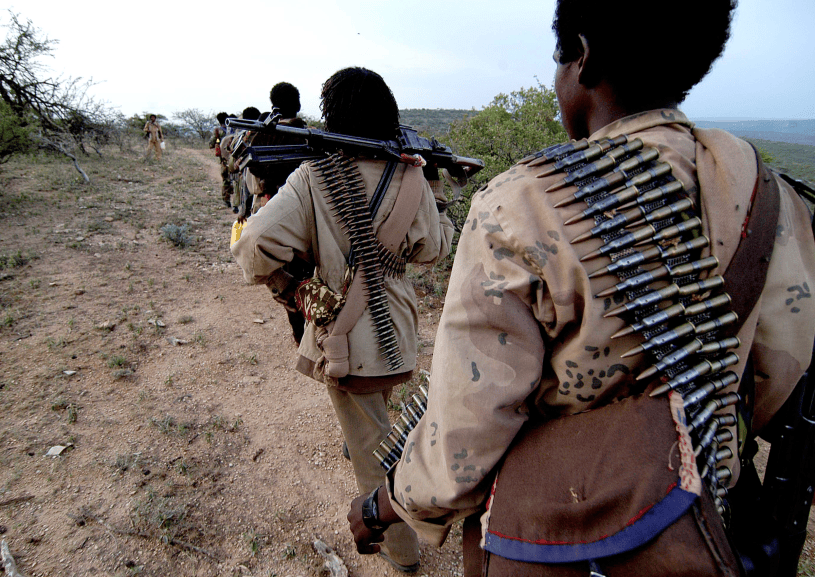
Events are moving rapidly. So where are we? Below is some useful information and analysis of the forces facing the future.
Martin
Seven Ethiopian armed groups announce anti-government alliance
Source: Reutershttps://www.reuters.com/world/africa/seven-ethiopian-armed-groups-announce-anti-government-alliance-2026-09-21/
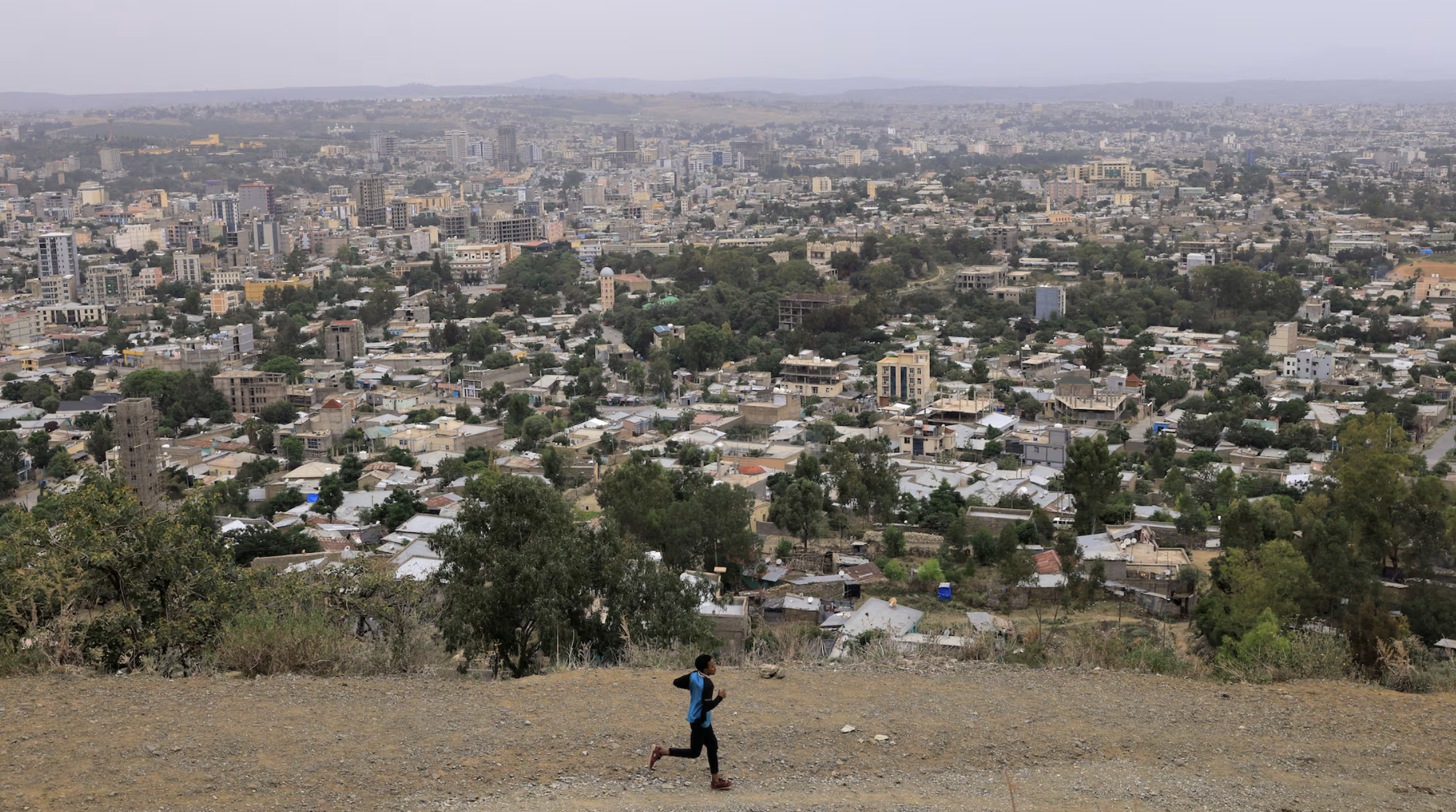
ADDIS ABABA, Sept 21 (Reuters) – Seven Ethiopian armed groups, including longstanding enemies who fought on opposite sides of a 2020-2022 civil war, said they have formed an alliance aimed at overthrowing Prime Minister Abiy Ahmed’s government.
The announcement of the Ethiopian Peoples’ Forces Alliance for Survival brought together am ethnically diverse body of groups based across the country, from Tigray in the north to Somali Region in the south. Some remain at loggerheads with other members over territory and other issues.
The Reuters Daily Briefing newsletter provides all the news you need to start your day. Sign up here.
Abiy’s spokesperson, Billene Seyoum, said members of the alliance had been collaborating for a while with the financial backing of Ethiopia’s neighbour and historic adversary Eritrea.
“The recent announcement is only attesting (to) what the Ethiopian government has been alleging time and again,” she wrote in a text message on Monday.
Eritrea’s information minister did not immediately respond to a request for comment. Asmara has repeatedly denied similar accusations.
ALLIANCE INCLUDES FORMER FOES
The new alliance, announced late on Sunday, includes the Tigray People’s Liberation Front (TPLF) and the Amhara Fano National Movement.
Fano, a coalition of armed groups from the Amhara region, fought in support of the federal government against the TPLF during the 2020-2022 Tigray war, which resulted in hundreds of thousands of deaths and was marked by ethnically driven atrocities.
Fano subsequently rose up against the federal government in a conflict that has killed thousands in Amhara since 2023.
Many of the groups have accused the government of centralising power and marginalising the regions. The government says it has launched a national dialogue meant to address longstanding political divisions and internal conflicts.
“We, the peoples’ forces concerned with the survival of Ethiopia’s peoples, bear the historic responsibility of overthrowing this regime,” said the statement read out by Fano leader Zemene Kassie and broadcast on the TPLF-controlled Tigrai TV. The statement was also published on several of the groups’ social media feeds.
On Monday, the country’s media regulator said in a statement that it was strictly prohibited for news outlets to use Tigrai TV as a source of information.
The Ethiopian Media Authority’s director general did not immediately respond to a request for further comment.
ARMED GROUPS’ EFFORTS ‘MAY BE HAMSTRUNG’
The announcement of the alliance, which also includes groups from the Oromia, Afar and Benishangul-Gumuz regions, follows reported skirmishes between federal and Tigrayan forces.
In May, the TPLF reasserted control over the region’s political administration in violation of a 2022 peace deal that ended the Tigray war. It accused the federal government of failing to uphold that agreement.
The Ethiopian military has carried out several drone strikes against Tigrayan forces in recent months, according to data from the Armed Conflict Location & Event Data project.
The federal government has not commented on the reported strikes, but the military said last week that nearly 300 Tigrayan fighters had surrendered to it.
Magnus Taylor, an analyst at the International Crisis Group think tank, said the new alliance would concern the federal government but it was not yet clear whether the groups would collaborate effectively.
“Attempts for its members to work together may be hamstrung by the weak nature of several of the groups, the geographical distances between them and political differences,” he told Reuters.
Writing by Aaron Ross in Nairobi; Editing by Andrew Heavens
Ethiopia: The Rivalry Between Ethiopia and Eritrea Is Reshaping Tigray
African Arguments 20 September 2026
By Mebratu Kelecha
On 1 August 2026, Ethiopian federal and Tigrayan forces clashed in western Tigray, a northern Ethiopian region bordering Eritrea and Sudan. By 3 August, fighting had subsided, but hundreds of Tigrayans, including wounded fighters, had crossed into war-torn Sudan. The clash followed Ethiopia’s 1 June election: Tigray did not vote, while Prime Minister Abiy Ahmed’s Prosperity Party won 438 seats.
Tigray’s 2020-2022 war followed a power struggle between Abiy and the Tigray People’s Liberation Front (TPLF), which governed Tigray and dominated Ethiopia’s ruling coalition until Abiy took office in 2018. Eritrean and Amhara forces supported the federal government. An African Union-brokered agreement signed in Pretoria in November 2022 ended large-scale fighting and provided for disarmament, restored services and an interim administration pending elections.
Those alliances have since shifted. Ethiopia’s government alleges cooperation among Eritrea, the TPLF faction led by party chairman Debretsion Gebremichael, and elements of Fano, a network of Amhara militias whose fighters once supported Abiy but now fight his government. Eritrea and the TPLF deny cooperation. Ethiopia also accused Eritrea of occupying its territory and backing armed groups. Eritrea denied the charges.
The 2018 Ethiopia-Eritrea peace agreement made joint war in Tigray easier than lasting cooperation on borders and trade. The breakdown in relations reshaped outside support for rival Tigrayan factions. Pretoria left territory and authority unresolved. Control of government funding, gold mines, border routes and armed forces helps rival leaders hold power, while residents have little say.
Two presidents, no public mandate
After the Pretoria agreement, Abiy reportedly vetoed Debretsion as interim president. TPLF official Getachew Reda became interim president after an internal party ballot. Residents had no vote in either process.
In March 2025, Debretsion’s faction pushed Getachew aside. Abiy then appointed Tadesse Worede, commander of the Tigray Defence Forces (TDF), the region’s wartime army. Abiy extended Tadesse’s tenure in April 2026. In May, the TPLF revived the regional council elected in Tigray’s 2020 vote, which the federal government had rejected. The council elected Debretsion regional president. Tadesse maintained his claim.
Ethiopia’s government controls federal funding, official recognition and superior military resources; Debretsion’s camp controls much of Tigray’s party organisation, regional administration and armed forces. The federal government cites Pretoria to extend an unelected administration. The TPLF cites its 2020 mandate. Neither asked Tigrayans who should govern them now
This is also a struggle over post-war resources. The International Crisis Group reports that senior TDF officers have business interests in Tigray’s gold mines and that factions have contested control of the Endowment Fund for the Rehabilitation of Tigray, a large party-linked business group. Federal funding, salaries and mining revenue help finance rival authorities.
Getachew, now Abiy’s adviser, joined an alliance with members of the Tigray Peace Force, a TDF splinter militia. The German Institute for International and Security Affairs (SWP) says this force appears to receive federal ammunition, food and pay.
In July 2026, Human Rights Watch documented abductions and unlawful recruitment by Tigrayan authorities, including ofchildren as young as fifteen. The TPLF denied forced recruitment.
How allies became enemies
The July 2018 Joint Declaration, signed by Abiy and Eritrean President Isaias Afwerki, ended hostility after their 1998-2000 border war and promised cooperation. Reopened contacts helped divided families and traders. Yet it established no publicly accountable rules for trade, currency exchange, land or border crossings. Even Assab, a Red Sea port in Eritrea, carried no Ethiopian trade during the thaw. Cooperation depended on the two leaders, with little public oversight.
That cooperation was redirected towards war. From November 2020, Eritrean forces fought beside Ethiopian and allied Amhara forces in Tigray. A 2025 medical and legal investigation concluded that conflict-related sexual and reproductive violence constituted crimes against humanity. It documented violations by all sides and found Eritrean forces most frequently identified as perpetrators in the evidence it collected in Tigray. Accountability and survivor care remain inadequate.
The Pretoria agreement stopped mass killing but also changed the alliances. Eritrean and Amhara representatives were excluded from the talks; Crisis Group reports that Isaias opposed an agreement that halted the TPLF’s military defeat. Debretsion’s camp later sought an understanding with Eritrea, perhaps to avoid fighting both Ethiopia and Eritrea at once. Eritrea, in turn, could gain a partner against Ethiopia. The relationship remains contested: accounts differ on whether it amounts to an agreement not to attack each other or closer military coordination.
Getachew, once a TPLF negotiator, is now aligned with Abiy. Debretsion’s camp seeks an understanding with the state whose army helped devastate Tigray. Fano networks that fought beside Ethiopia’s government now fight it. These shifts suggest that leaders’ survival takes priority over public reconciliation. Ethiopia and Eritrea use these internal divisions to pursue their rivalry within Tigray.
Ports and the war in Sudan
Ethiopia, landlocked since Eritrea’s independence in 1993, needs reliable access to the sea; Eritrea fears Ethiopian domination. Tigrayan and Amhara authorities both claim Western Tigray, while disarmament remains incomplete. More than 95 per cent of Ethiopia’s import-export trade by volume travels through neighbouring Djibouti, so seeking other routes is reasonable. Eritrea has rejected claims that Ethiopia’s need for trade access gives it a right to Assab.
But who negotiates access and benefits from port fees and customs duties? Ethiopia’s February 2026 letter combined accusations about occupied territory with an offer to negotiate access through Assab, linking trade negotiations to security pressure. Within Tigray, control over federal funding, mines, disputed land and routes towards Eritrea and Sudan sustains rival factions. These routes affect who can return home, collect taxes and supply fighters.
Amhara forces took control of Western Tigray during the war. Decisions about who can return, own land and vote will shape both territorial claims and future elections.
Sudan’s war, fought between the Sudanese Armed Forces and the paramilitary Rapid Support Forces, widens this contest. Crisis Group describes shifting regional alliances: Eritrea and Egypt lean towards the Sudanese army, which accuses Ethiopia of helping the Rapid Support Forces. Ethiopia and its ally, the United Arab Emirates, deny such support. Crisis Group also reports that thousands of Tigrayan fighters known as “Army 70” are based in eastern Sudan and have fought alongside the Sudanese army.
What peace agreements leave unresolved
Peace agreements still matter. The 2000 Algiers Agreement ended Ethiopia and Eritrea’s 1998-2000 war. An international boundary commission defined their border in 2002, but obstruction prevented it being marked on the ground. Implementing these decisions would clarify the border. Pretoria saved lives and restored services.
Yet these agreements do not settle who governs Tigray, how displaced residents shape decisions over Western Tigray, or whether port and border authorities serve citizens rather than those in power. The 1998-2000 war showed that Badme, a disputed border town, alone could not explain a conflict also driven by competing visions of statehood, trade disputes and leadership struggles among former liberation movements.Close
Crisis Group is right that discreet talks, a halt to foreign support for armed groups and sustained mediation may be necessary. But extending the interim administration by agreement among leaders would prolong rule without public consent. Pressure from lenders such as the International Monetary Fund and World Bank might discourage an assault on Assab; it cannot decide who governs Tigray or restore displaced people’s rights.
A durable settlement must set a clear timetable for elected government in Tigray, with displaced people and political opponents able to participate meaningfully. Public oversight must extend to federal funding, mining revenue and port and border arrangements. Disarmament must protect communities from forces left armed. Survivors need care, accountability and reparations. Past abuses cannot be set aside because perpetrators become useful allies.
Peace should be judged by whether people can return home, challenge those who govern them and influence how resources are used. Agreements that leave rulers free to select local authorities, monopolise resources and change alliances preserve the conditions for renewed war.
Dr Mebratu Kelecha is a political scientist whose work rethinks African democracy, sovereignty, and development from African perspectives. His research challenges winner-takes-all approaches to politics and explores plural and cooperative forms of governance rooted in African political thought and practice. His recent work focuses on inequality, global polycrises, and the changing structures of power shaping Africa’s politics and development.
Eritrean Information Minister Welcomes New Chapter of Cooperation With Washington
Source: Asharq al-Awsat
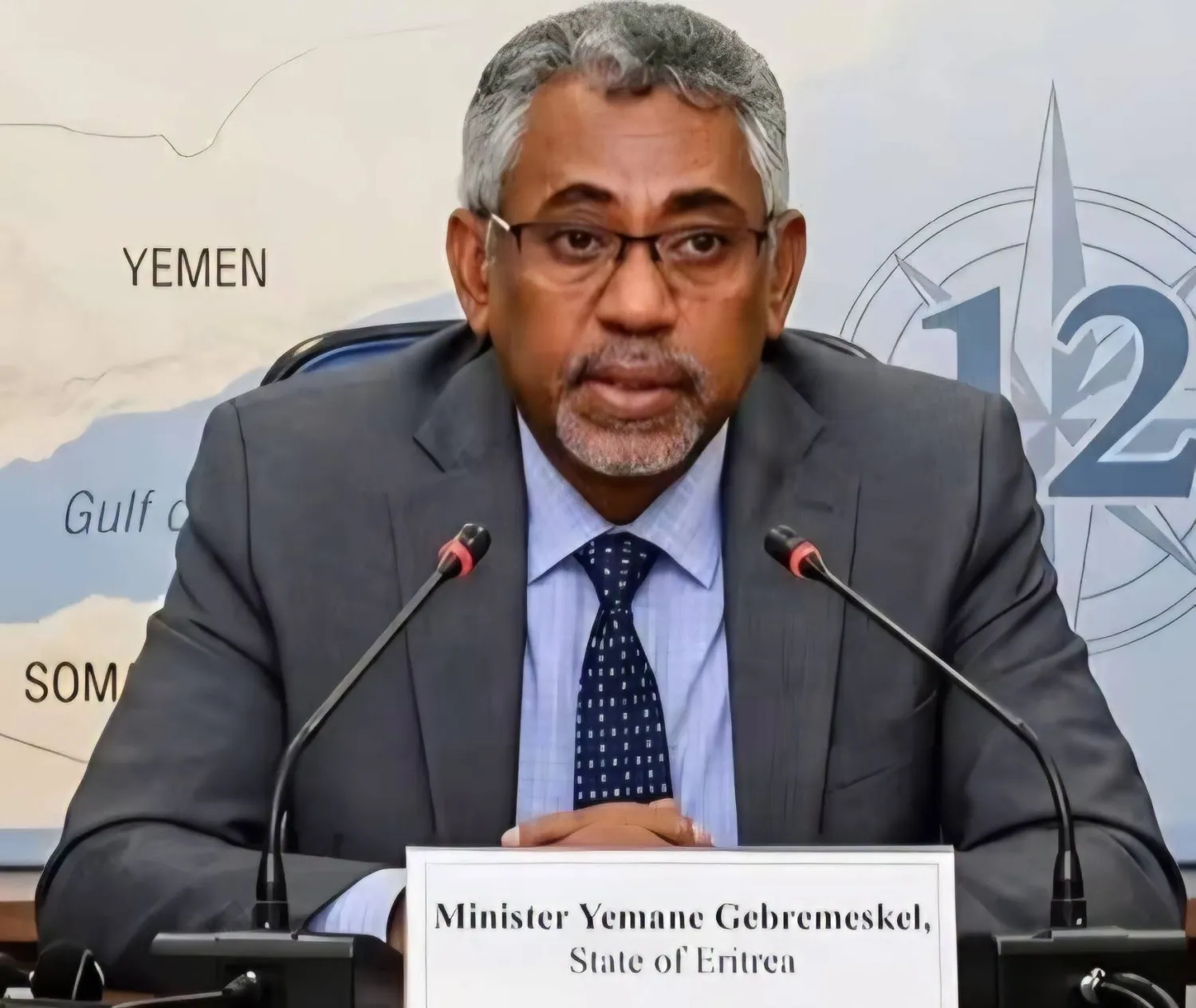
Eritrean Information Minister Yemane G. Meskel (X account)
- Cairo: Khaled Mahmoud
16:03-21 September 2026 AD ـ 10 Rabi’ Al-Thani 1448 AH
Eritrean Information Minister Yemane Gebremeskel welcomed the United States’ decision to lift sanctions affecting his country, describing the move as reflecting “a reservoir of constructive political goodwill” and saying it could pave the way for a new chapter in bilateral cooperation, particularly in investment and trade.
In remarks to Asharq Al-Awsat, the minister said the sanctions, which had caused significant economic damage to Eritrea, had sent an important message to the international community.
The United States recently ended the national emergency related to the crisis in Ethiopia, under which sanctions had been imposed on Eritrean entities and individuals over Eritrea’s military role in the war in Ethiopia’s Tigray region. The conflict ended with a peace agreement in 2022. Washington said the expiration of the emergency reflected changed circumstances underlying the measures.
The US Treasury’s Office of Foreign Assets Control subsequently removed from its sanctions list entities and individuals designated under the relevant executive order. These included the People’s Front for Democracy and Justice, Eritrea’s ruling party, the Eritrean Defense Forces, and the Red Sea Trading Corporation, as well as Eritrean officials.
“Restoring Lost Opportunities”
In his remarks to Asharq Al-Awsat, Gebremeskel said the sanctions that have now been lifted “were not justified by any criteria in the first place and caused significant economic damage.”
“Lifting them sends an important message to the international community by removing a political impediment that was not conducive to investment and broader engagement,” he said.
He said the details of future cooperation would be determined through appropriate channels and platforms, with a focus on investment and trade.
Asked about the role of Massad Boulos, the US president’s senior adviser for Arab and African affairs, Gebremeskel said Boulos had met Eritrean Foreign Minister Osman Saleh on the sidelines of Saleh’s recent visit to Cairo.
He said the previous meetings had been “initial discussions to lay the groundwork for broader talks at appropriate levels on comprehensive bilateral cooperation, with a focus on investment and trade,” expressing hope that the lifting of the sanctions would accelerate those contacts.
On the immediate implications of lifting the sanctions, he said the move opens “prospects for restoring lost opportunities and moving forward quickly.” He said Eritrea has advantages across multiple sectors and is open to investment in areas of mutual benefit, supported by an established legal and administrative framework.
He stressed that “Eritrea’s international partnerships have always been based on sustainable ties that enhance mutual and equal benefits, while avoiding imbalanced advantages or structural dependency, principles that have become norms governing bilateral and multilateral cooperation.”
Relations With Egypt
On relations with Egypt, he said: “Cooperation with Egypt has developed rapidly over the past decade, not only because of history and geography, but also because the two countries are located in a vital strategic region, particularly along the Red Sea maritime route, and share similar views on mechanisms for cooperation among coastal states to enhance the security of this waterway.”
“Eritrea, Egypt, and other like-minded countries in the Horn of Africa and Red Sea region have moved beyond slogans toward mechanisms for joint action to strengthen regional security and stability,” he added.
He stressed that “the principles of the Council of Arab and African Coastal States of the Red Sea and Gulf of Aden remain a key platform for multilateral cooperation,” alongside convergence in positions on resolving the conflict in Sudan and the situation in Somalia.
On Eritrea’s foreign policy priorities for the next phase, he said his country’s policy “has always been consistent and transparent, based on building bilateral and multilateral relations within frameworks of equal and mutually beneficial cooperation.”
He rejected describing Eritrea as “isolationist,” calling the characterization “a false and malicious concept promoted by its critics” that contradicts the country’s strategic geographic position, economic potential, and government policies.
“Asmera will seriously seek to capitalize on new diplomatic openings to advance its core national interests,” he said.
Somaliland is taking its fight for international recognition to the UN
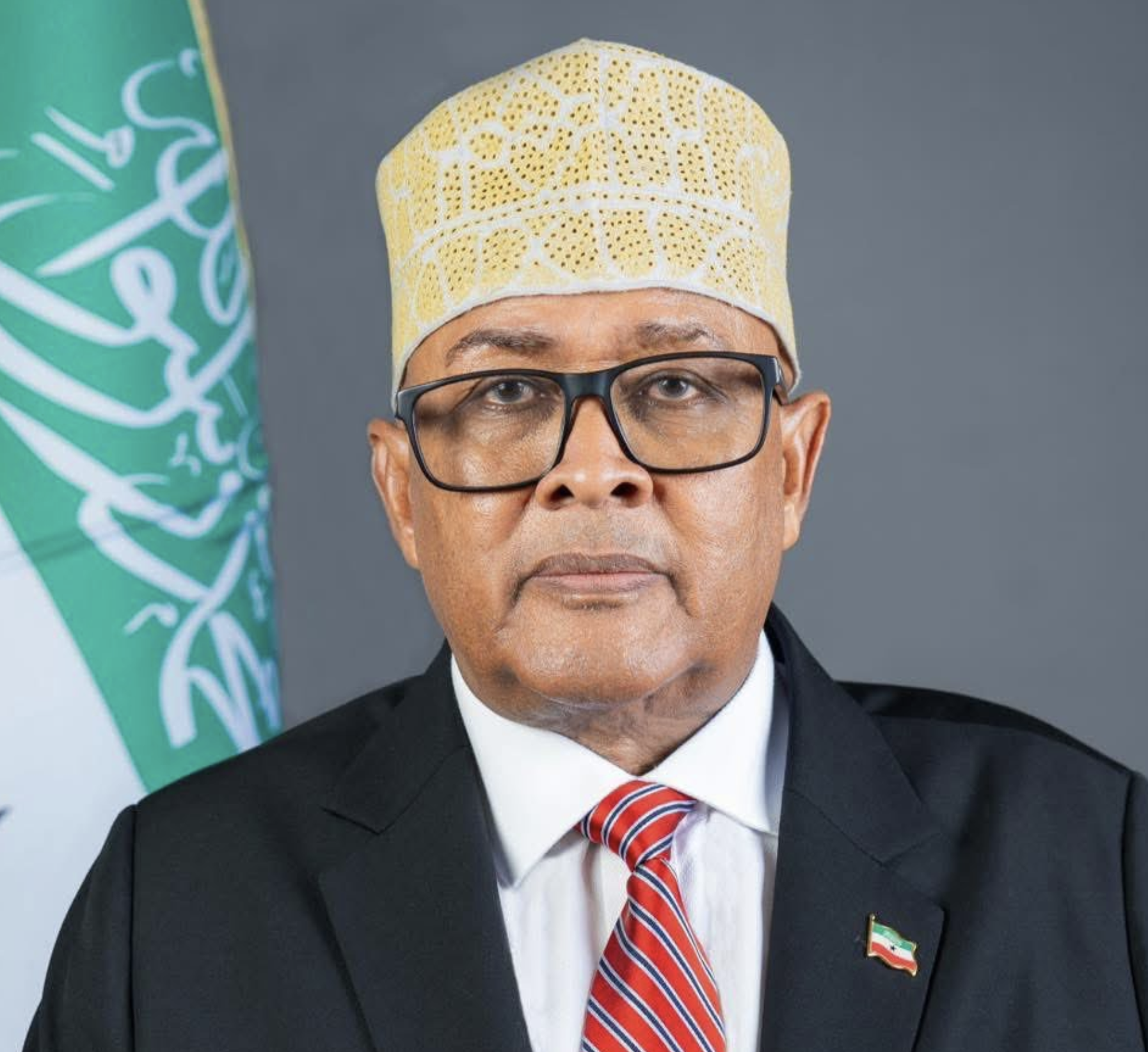
On Wednesday, 23 September, Somaliland President Abdirahman Irro will address a public rally at Dag Hammarskjöld Plaza, New York, right in front of the UN, to press the case for the world body to address the issue of Somaliland.
The peaceful rally has been authorised by the New York law enforcement agencies and will be attended by pro-Somaliland recognition activists from across the United States and rest of the world.
The Houthis’ capture of Mocha has transformed the war in Yemen – and the geopolitics of the Red Sea
Iran and its allies can now exert pressure on two strategic maritime chokepoints, with global implications. A more coherent international approach to Yemen is needed.
Source: Chatham House
Published 14 September 2026
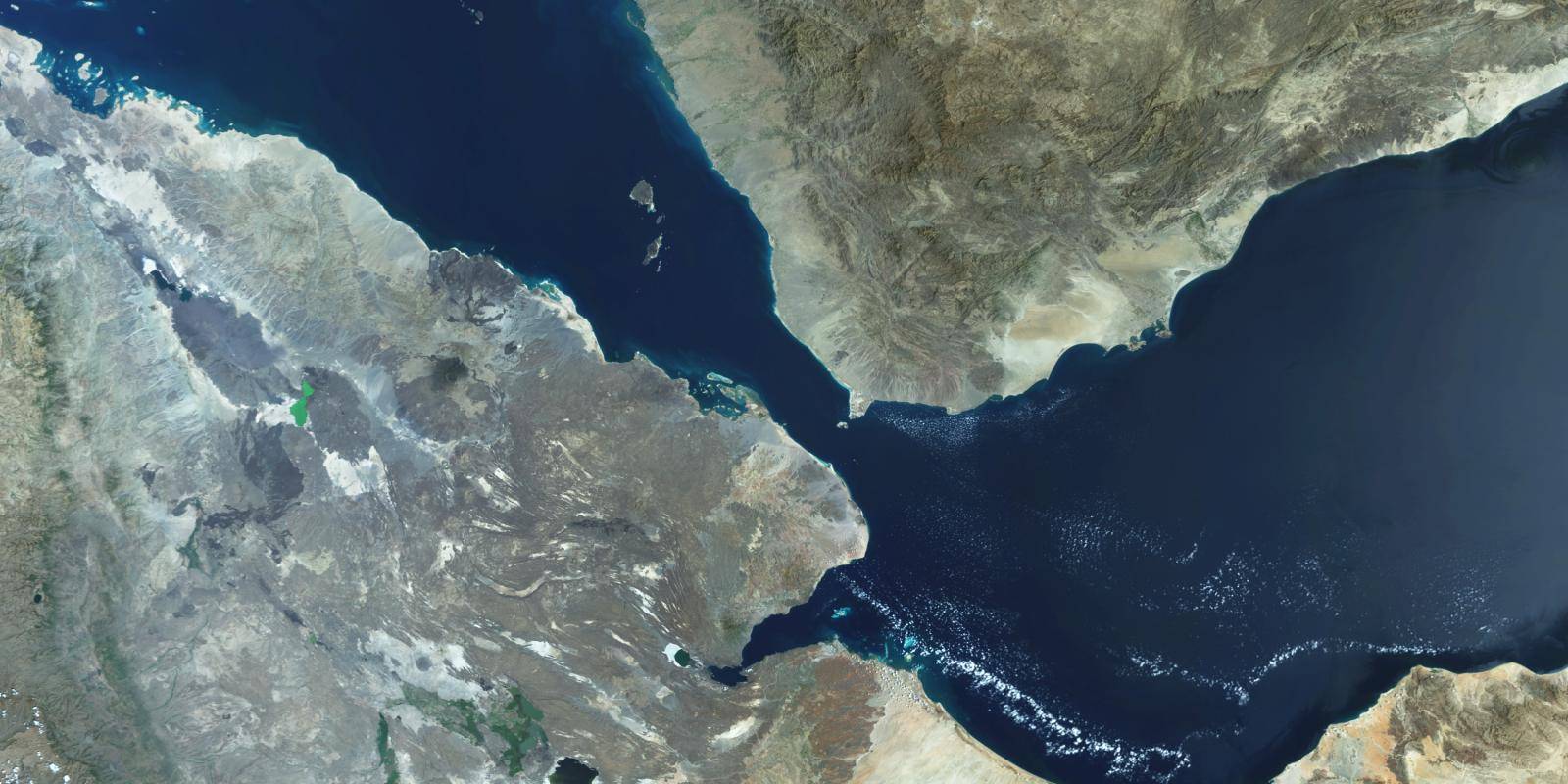
Image — A satellite view of the Bab al-Mandab Strait between the Red Sea and the Gulf of Aden on 17 February 2026. Photo by Gallo Images/Orbital Horizon/Copernicus Sentinel Data 2026.

Farea Al-Muslimi
Research Fellow, Middle East and North Africa Programme
The Houthi armed group recently captured the strategic port city of Mocha in southwestern Yemen and advanced along the coast of the Bab al-Mandab Strait. This represents the most consequential change in territorial control in Yemen for years.
For Yemen, the offensive risks reopening a war that never formally ended but had become significantly less violent since the UN-mediated truce of 2022. For the wider region, the implications are also massive.
The Houthis’ new territorial position gives them much greater ability to influence maritime shipping through Bab al-Mandab, the narrow passage connecting the Gulf of Aden to the Red Sea and ultimately the Suez Canal.
Together with Iran’s disruption of the Strait of Hormuz, Iran and its allies now have the capacity to exert pressure on two of the world’s most strategically important maritime chokepoints.
The Houthis have also launched attacks into Saudi Arabia, including against energy infrastructure, that have reportedly injured civilians. This also constitutes an escalation in the conflict and poses questions for Riyadh and its US ally.
The fragmentation of Yemen’s anti-Houthi camp
Houthi forces, who control most of western Yemen, made a rapid push down the Red Sea coast last week. Government-aligned forces withdrew as the Houthis seized Mocha, surrounding areas and nearby islands.
The Houthis benefited from surprise and military preparation. But the offensive also exposed the fragmentation of the anti-Houthi camp.
Government-aligned forces face coordination problems. The anti-Houthi forces include a variety of autonomous armed groups who were previously supported by different regional patrons and had competing political ambitions. Saudi attempts to bring them under a more coherent command structure since early 2026 have not erased years of fragmentation.
Meanwhile, the Houthis used the period of relative calm following the 2022 truce to recruit and mobilize personnel, improve domestic weapons production and expand their missile and drone capabilities. As a result, the Houthis now have more advanced capabilities than government forces in several areas.
Bab al-Mandab, the Red Sea and the Horn of Africa
The immediate international question is what the Houthis intend to do with their strengthened position around Bab al-Mandab.
The Houthis previously claimed they do not intend to impose formal transit fees on vessels passing through Bab al-Mandab. These assurances should be treated cautiously. There are indications that, since beginning their attacks on Red Sea shipping in 2023, the Houthis have been extracting informal payments from some shipping agencies in return for safe passage.
The Houthis have also said that they are only attacking Saudi-linked ships in the Red Sea. However, a ship carrying Saudi oil may be owned, operated, financed, insured or chartered by companies in several different countries. It might also be delivering goods, or oil, to various countries.
The Houthi advance also changes the security calculations of states with strategic interests in the Horn of Africa.
Djibouti is just around 20 kilometres from Perim Island, which the Houthis now reportedly control. That places an armed movement with increasingly sophisticated drone, missile and maritime capabilities extremely close to a country that hosts US, Chinese, French, Italian and Japanese military bases. Other countries including Turkey and the United Arab Emirates also have significant security and commercial interests in the region.
For now, the Houthis’ calculation is likely to be one of controlled escalation: converting military momentum into political and economic leverage without provoking an international response large enough to reverse their gains. But Yemen can no longer be treated as a distant theatre.
Trump faces difficult choice
Saudi Arabia has vowed to respond to Houthi attacks on its territory. Riyadh recently signed a mutual defence treaty with Turkey and Pakistan, but does not appear to have publicly called on either for assistance.
The US, a close Saudi ally, reached a truce with the Houthis in May 2025, after conducting air strikes against the group following its attacks on shipping in the Red Sea.
For US president Donald Trump, the recent Houthi advance creates a difficult dilemma. Trump has a close relationship with Saudi Crown Prince Mohammed bin Salman, and the US retains a fundamental interest in Saudi security. At the same time, Washington has strong incentives to avoid reopening a direct war with the Houthis.
Washington and the Houthis both have reasons to avoid attacking one another.
The existing truce gives both sides reasons for restraint. For Trump, preserving that arrangement helps keep the US away from another costly Middle Eastern military confrontation while it remains engaged in the Strait of Hormuz.
The Houthis have equally strong incentives to not be drawn into conflict with the US. The 2025 US air campaign against the Houthis caused serious damage. They have little interest in inviting a repeat.
This creates a peculiar situation: Washington and the Houthis both have reasons to avoid attacking one another, even while the Houthis increase pressure on one of the US’s closest regional partners.
That equilibrium, however, may not hold. If the Houthis escalate attacks on Saudi territory, especially if they attempt even limited ground incursions across the border, Washington could find itself pulled towards confrontation.
Yemenis pay the greatest cost
Lost beneath the geopolitical consequences is the most predictable outcome of renewed war: Yemenis themselves will suffer most.
The country enters this phase of conflict with divided institutions, an economy devastated by more than a decade of war and declining international humanitarian support.
In Taiz alone, almost 50,000 people have reportedly been displaced since 3 September. In Mocha, the humanitarian consequences are particularly alarming. With health facilities collapsing or becoming inaccessible, local media reports indicate that more than 240 pregnant women in the region face the looming prospect of giving birth without access to functioning medical care.
Further disruption to ports, roads and supply chains will also drive up food, transport and fuel prices in a country heavily dependent on imports.
While this new international dimension of Yemen’s war makes the country strategically more important to the world, it should not overshadow the plight of ordinary Yemenis.
The need for a coherent international approach
Governments have tended to treat Saudi-Houthi negotiations, maritime security, humanitarian access to Yemen, Iran negotiations, the Yemeni government and wider Red Sea maritime security as separate issues. That approach is becoming increasingly difficult to sustain.
The Houthis are now able to influence global shipping, energy markets, Gulf security, the Horn of Africa and the calculations of major powers. A more coherent international approach is therefore needed.
For Gulf Cooperation Council (GCC) states in particular, the latest escalation should be a warning. The GCC has not formulated a coherent policy on Yemen, influenced by disagreements between Gulf states and their different relationships with Yemeni factions. But the Houthis’ recent advances impact the entire GCC, so a Gulf-wide approach is needed.
Ignoring a crisis in Yemen does not contain it.
Recent developments should also challenge the idea that the Houthis can be contained through a collection of transactional arrangements. Bilateral maritime security deals may protect one country’s ships, while negotiations may temporarily calm one frontline. Military strikes can degrade individual capabilities.
But these approaches operate in silos. The Houthis do not. The movement simultaneously functions as a governing authority, an armed non-state actor, an Iranian regional ally and an increasingly important influence on maritime security.
The main policy challenge is therefore whether regional and international actors are prepared to develop a coherent approach to Yemen that connects the country’s political settlement with wider security issues in the Gulf, the Red Sea and the Horn of Africa. Ultimately, ignoring a crisis in Yemen does not contain it. It is only a matter of time before it becomes an international crisis.

