
Last updated: November 23, 2026 2:34 am
Source: Pan African Visions By Rebecca Tinsley *
If Europe and America should pay reparations for slavery then so should the Arab world, India and Turkey. The historic trade of Africans to India and the Gulf was as large and brutal as the Atlantic one. Yet,Turkish, Arab and Indian scholars are mostly silent on their nations’ guilt. The African Union and the Arab League would also prefer not to discuss the 14-15 million Africans traded from 600 AD to 2000.
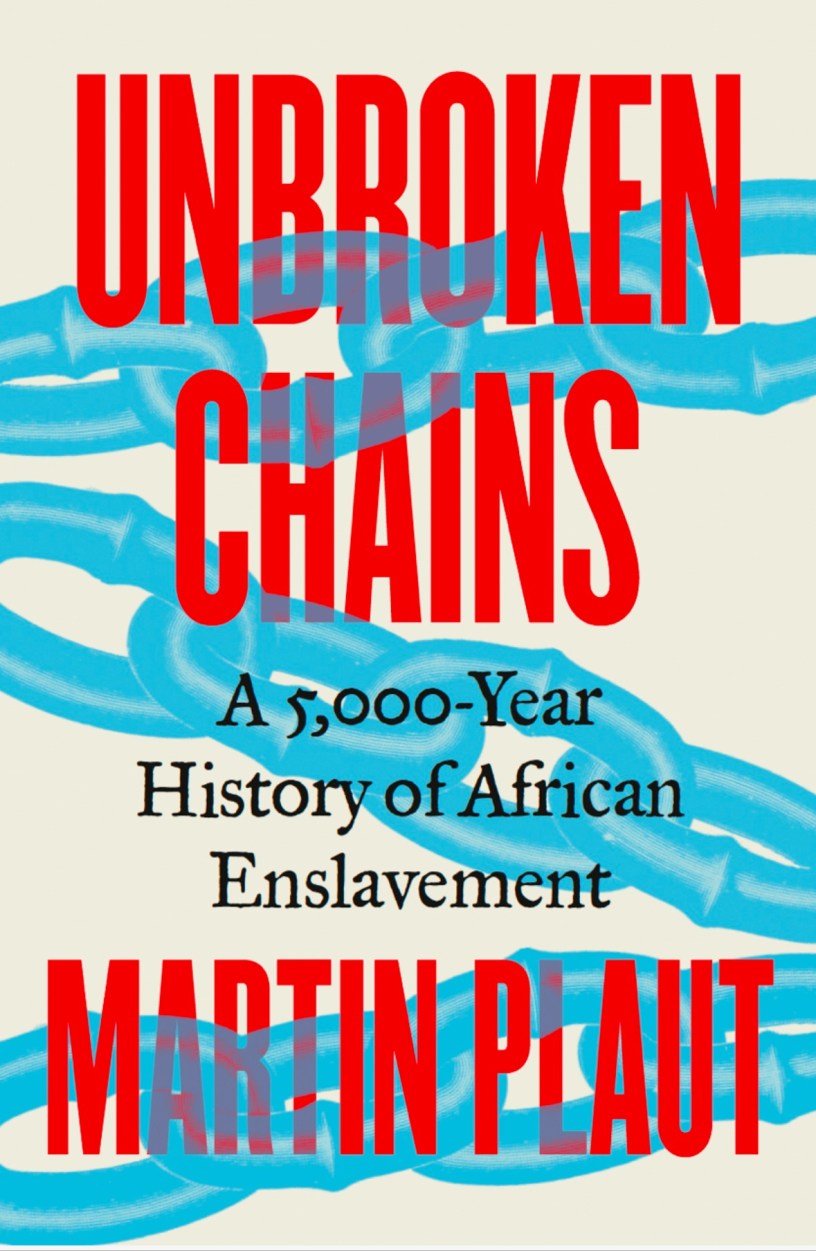
A new book by Africa specialist Martin Plaut reveals that the mortality rate of Africans enslaved by the Eastern trade was as high as the Atlantic trade. Plaut, who was the Africa editor of the BBC World Service, is clear that slavery predated Islam. It also formed an important part of pre-colonial African economies. Once the Arabs and then the Europeans began enslaving and deporting people, African ruling elites were happy to supply them with human bodies. The Zulu were particularly effective at providing the Portuguese with African slaves. Slavery was the backbone of the Sokoto Caliphate.
Africans were not the only victims of the Arab, Berber and Ottoman trades: Plaut’s research shows there were probably one million white slaves, some ending up as far away as China. The US navy was created to rescue their citizens who had been captured and were often held for ransom.
The common feature of the Arab, Ottoman, Indian and Atlantic trades was brutality, immorality and a sense of impunity. Nine in ten boys died from being castrated by the Arabs before being marched across the Sahara. Skeletons lined the trade routes across the desert. Women and girls were especially desired as sex slaves and domestic workers. Their treatment was appalling. There was a constant need for more slaves because their mortality rate was so high.
Just as Muslims justified capturing non-Muslims, so the Ethiopian Orthodox Church declared slavery was “an integral part of Ethiopian life.” Arab writers at the time referred to Africans as “primitive,savage and stateless people“ who were fair game for slave traders who, they contended, came from “organized and civilised” states. .
Plaut writes that between six and eight million Ethiopian slaves became soldiers and guards in India over the centuries. Their descendants can still be found in the subcontinent, and they reputedly face discrimination.
Why the silence?
Plaut points out that the ruling Saudi royals have deliberately prevented historians accessing records of the Arab slave trade. Few Indian scholars have discussed how central African slavery was to developing their economy.
From the beginning, Oman dominated the trade, extending their reach as far as Angola. Slavery was still legal in Oman until the 1970s. Again, there is no acknowledgment of complicity in this relatively recent atrocity.
One reason there is silence is because slavery continues in Africa – not just modern slavery but chattel slavery – in Mauritania, Niger. Libya, Mali and Sudan. It is race based. In Mauritania, for instance, 40% of population is enslaved by the elite who consider themselves light skinned Berbers. Human rights activists there are intimidated and even killed. The racist pattern continues among the Tuareg and Fulani in Mali who consider themselves white. In Libya, departation centres paid for by the European Union, holding African refugees, have been monetized as sources of slaves.
It is beyond the scope of Plaut’s book, but it should also be mentioned that 2,600 Yezidi women who were abducted by Islamic State in northern Iraq in 2014 are believed to be enslaved in Syria and Turkey. They are traded on WhatsApp groups.
When will the Gulf States, Turkey, Egypt, and India face their history with the honesty that the world rightly demands from the Atlantic slave trading nations?
“Unbroken Chains: a 5,000 year history of African enslavement”. by Martin Plaut, (Hurst)
*Rebecca Tinsley is the founder of the Human Rights Group Waging Peace.

