Africa has no problem holding well run, free and fair elections. All that is needed is for Africa’s leaders to allow voting to take place that reflects the real will of its people.
The year 2024 saw more than 19 elections in Africa. At least five saw changes in governing party and congratulations to them! But some elections were not worthy of the name.
What do I mean? Well, for me an election is when the people decide who rules them. Not the other way round. Let’s look at just three African ‘elections’ before applauding the giants.
‘Election’ failures
NUMBER ONE: At the top of the list must be Eritrea.
To be fair, President Isaias makes no bones about his stand. He has never held an election since Eritrea officially became independent in 1993. Not one. And he has no intention of holding any election any time soon.
So: well done for honesty. No marks for democracy. And he’s cool about other dictators.
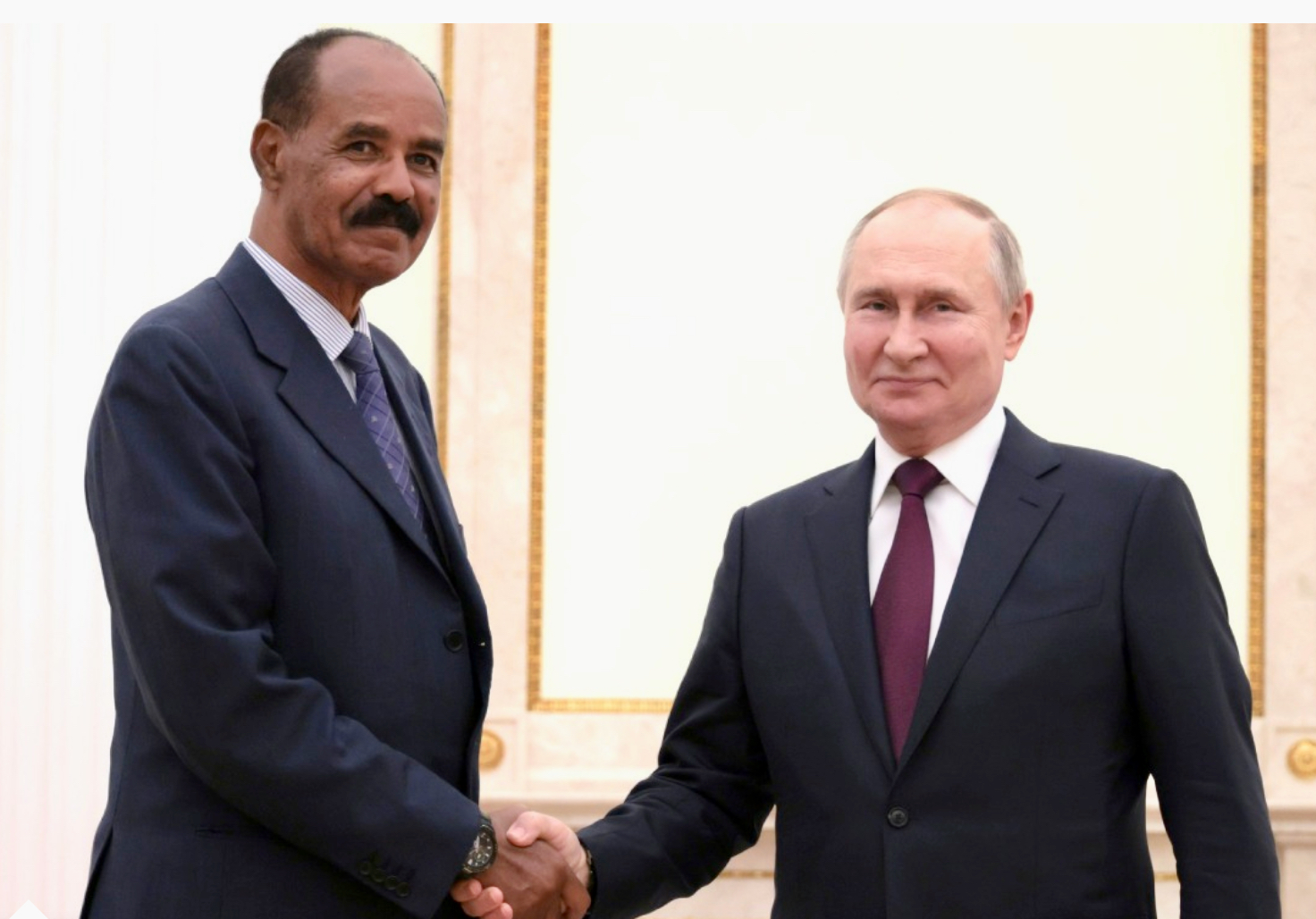
Eritrea is not alone in never having held an election: nor has South Sudan, which has regularly promised to consult its people since independence in 2011, but has been bogged down in wars and corruption instead.
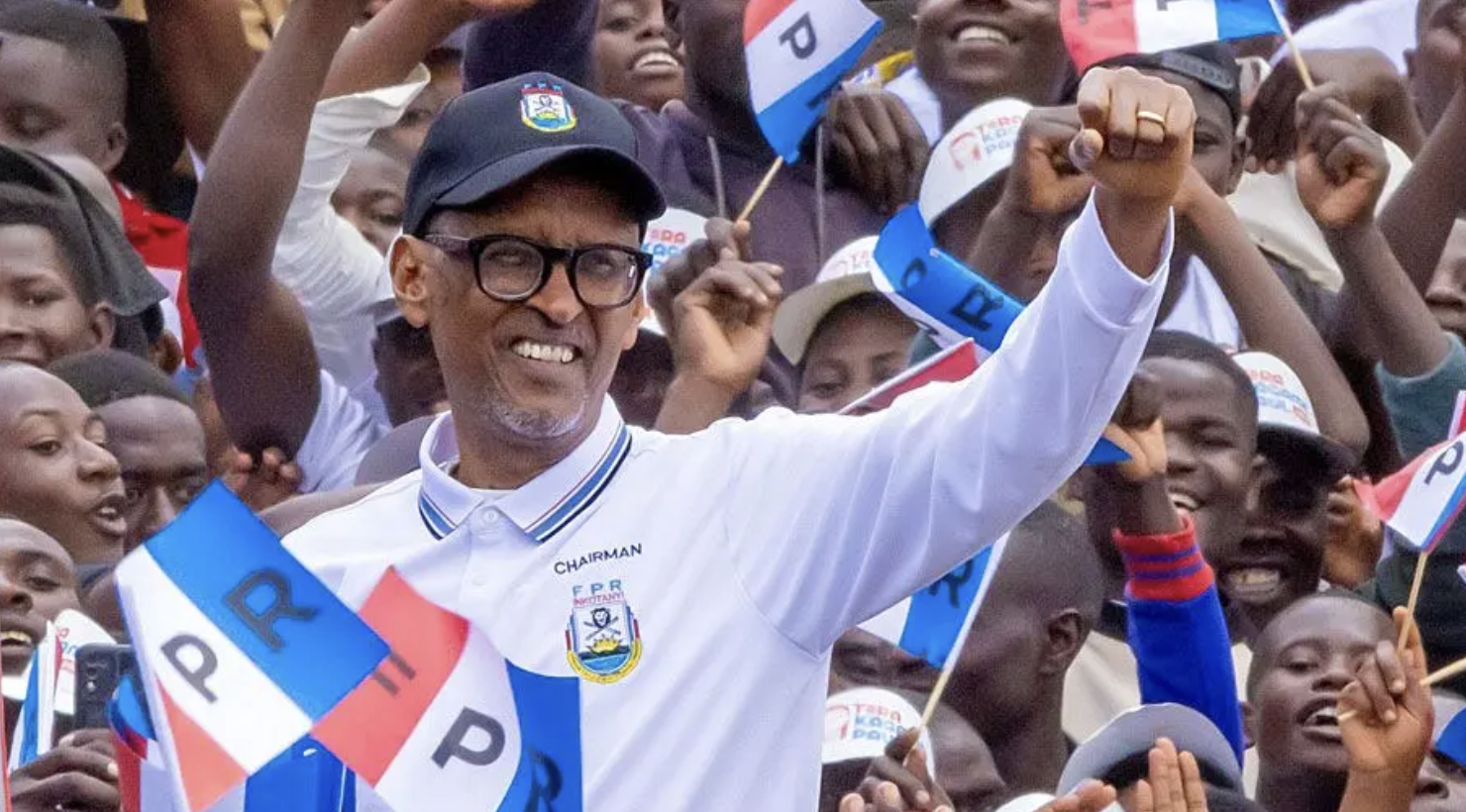
NUMBER TWO: Rwanda
Paul Kagame starts his 25th year as President, but in reality he has run the country since invading the country from Uganda in 1994, an event associated with the tragic Rwandan genocide.
Since then, Rwandan elections have been regularly rigged. The 2024 election saw Kagame ‘win’ 99.18 per cent of the vote. Kagame is determined never to allow the Hutu majority to oust his Tutsi dominated government from power. It is as simple as that.
NUMBER THREE: Mozambique
The Frelimo party, which has ruled the country without interruption since 1975, used every trick in the book to hold onto power. It ‘won’ 65.17 percent of the vote in the election.
The European Union observer mission concluded that the election result was being ‘doctored’ There have been protests ever since, with over 150 democracy activists having been killed as the government uses an iron fist to hang onto power.
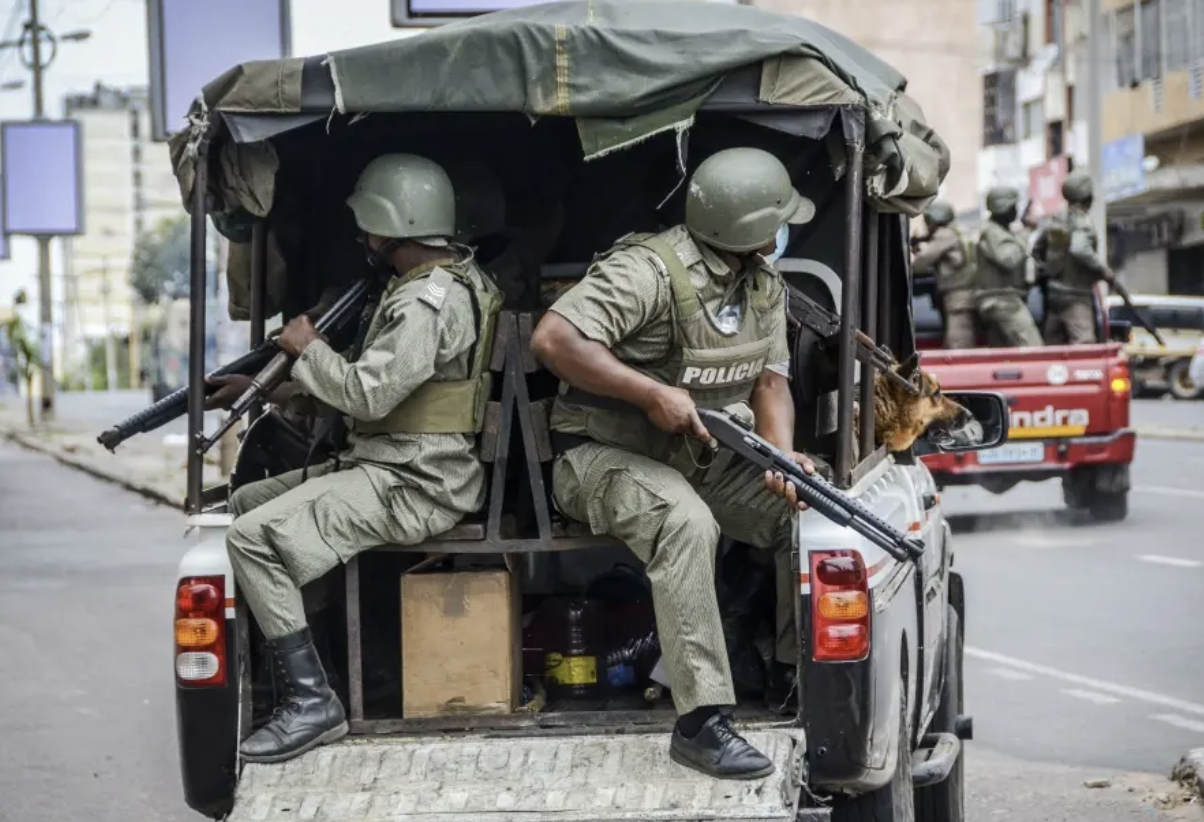
Southern African leaders met, expressed ‘condolences’ for the loss of life, but nothing more.
“SADC has squandered an opportunity to publicly condemn human rights abuses against postelection protesters in Mozambique,” said Allan Ngari, Africa advocacy director at Human Rights Watch. “The regional body should call on the Mozambique government to respect the right to peaceful protest under the African Charter on Human and Peoples’ Rights, and immediately cease its use of unnecessary and excessive force.”
Africa’s Election Giants
Incumbent parties had a tough time, but well done to their people for holding their leaders to account.
Ruling parties in Senegal, Botswana, Mauritius, Ghana and Somaliland lost power, while the African National Congress in South Africa was forced into a coalition.
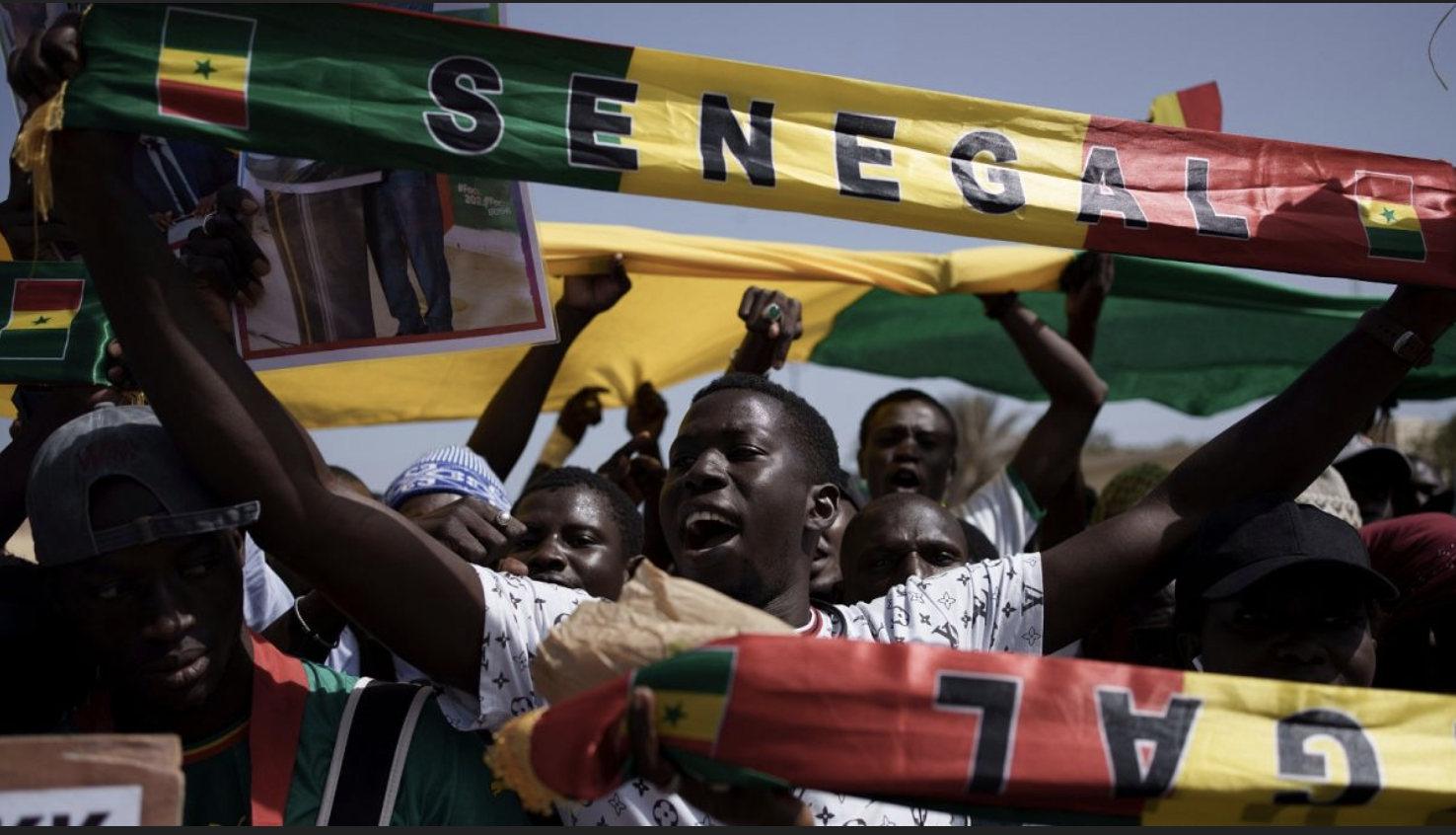
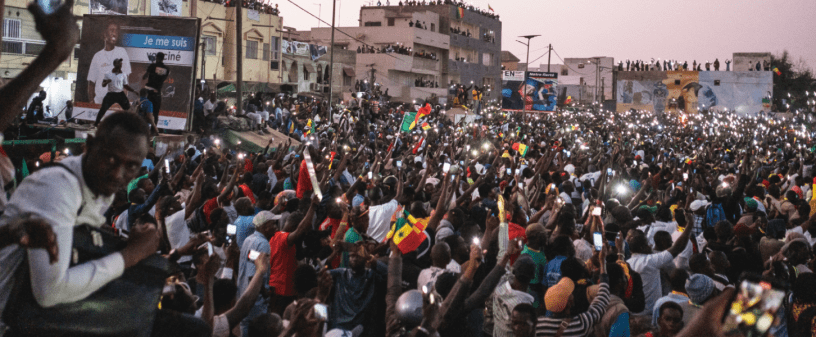
NUMBER ONE: Senegal
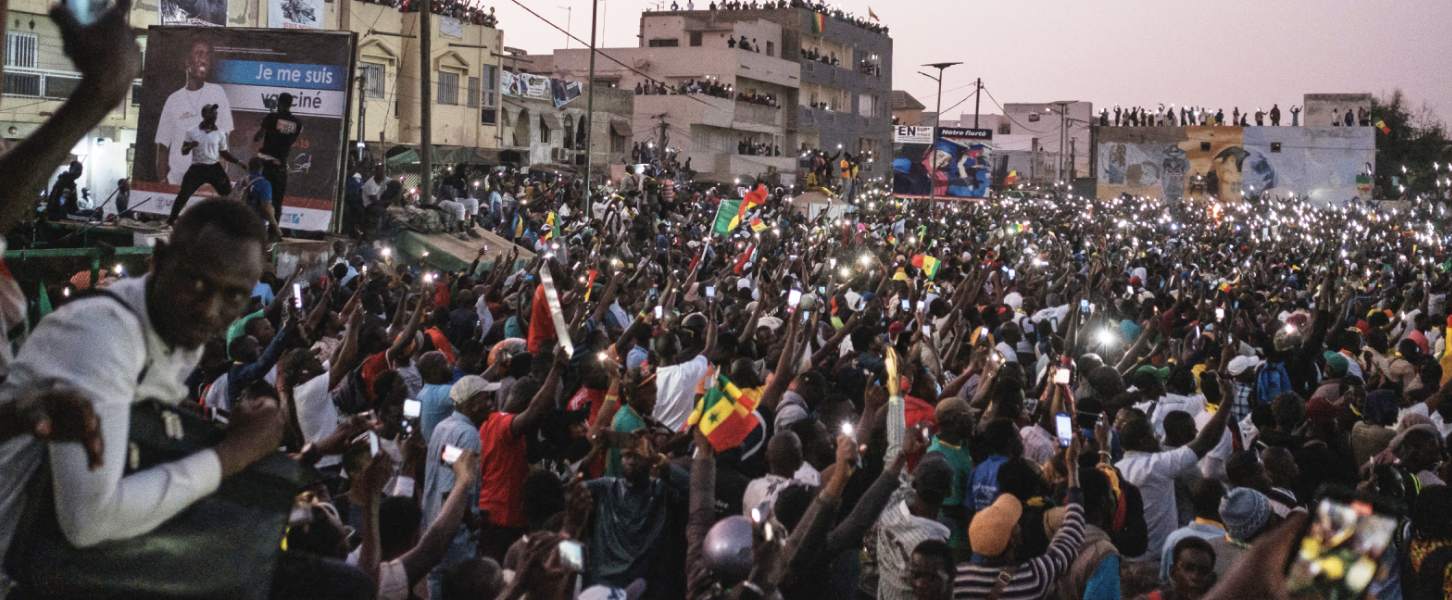
The election on March 24 saw a shock result: Bassirou Diomaye Diakhar Faye won, even though he hheld his first public campaign for the presidency on 15 March 2024, a day after being released from jail.
He ran on a pledge to fight corruption and reform the economy and took 54.28 per cent of the vote.
NUMBER TWO: Botswana
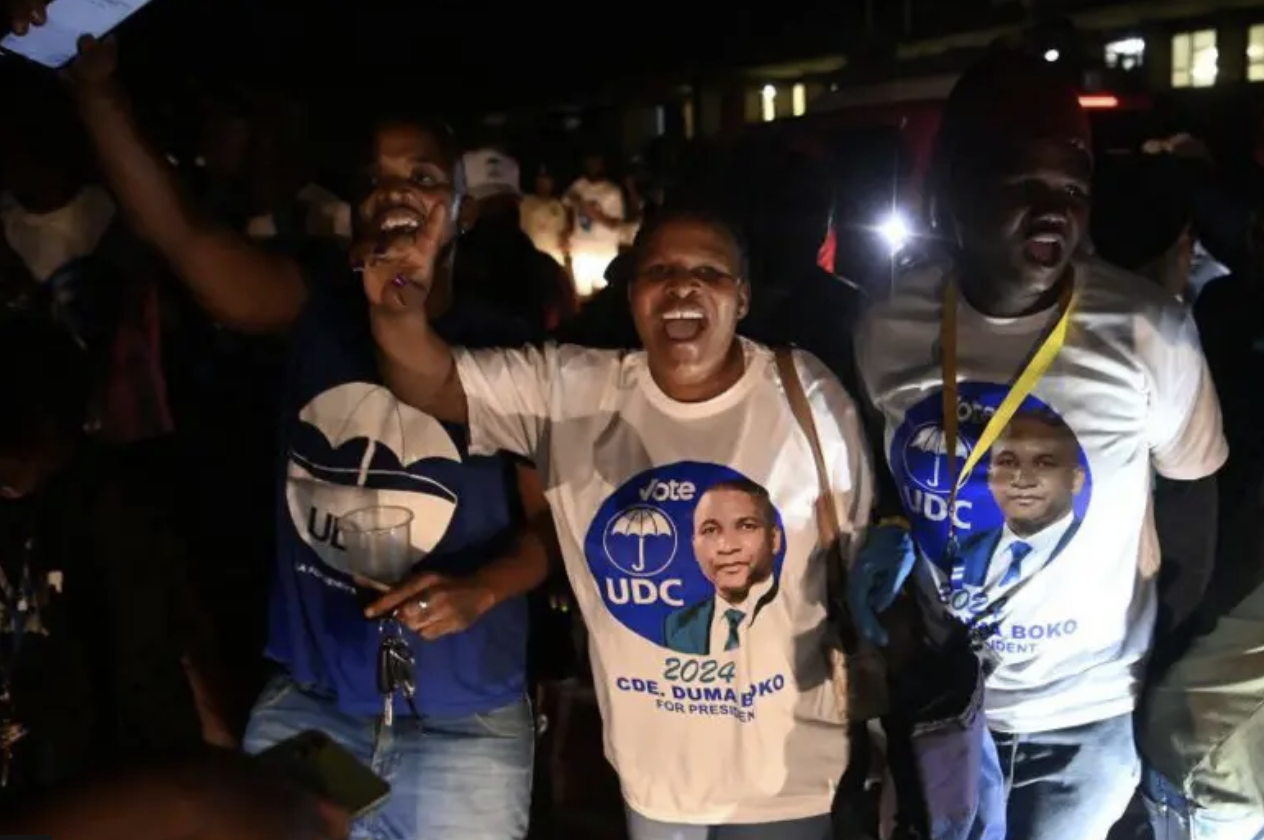
The Botswana Democratic Party, which had held power since independence in 1966 was defeated in the October 24 election by the Umbrella for Democratic Change.
The handover to the UDC was a model of democracy. In a phone call to UDC leader Duma Boko, President Mokgweetsi Masisi conceded and congratulated his opponent.
NUMBER THREE: Mauritius
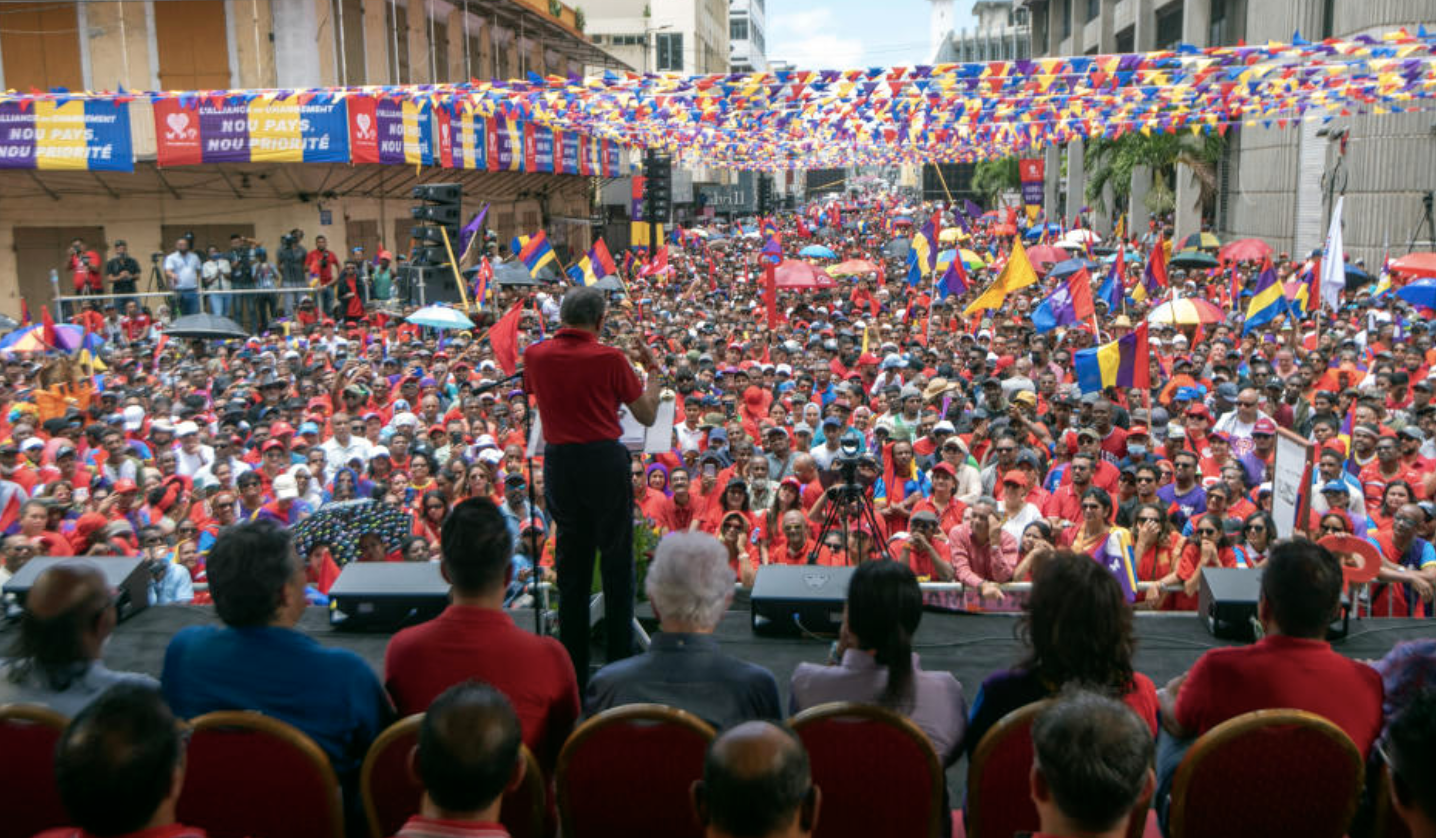
The election on November 10 saw the ruling party swept away.
The governing coalition led by Prime Minister Pravind Jugnauth ended up with just 2 of the 62 seats available. Jagnauth conceded defeat before all results were announced, saying his Militant Socialist Movement coalition was headed for a huge defeat.
The Alliance for Change coalition’s saw the return of Navin Ramgoolam as the country’s prime minister. He served as prime minister from 1995 to 2000 and again from 2005 to 2014.
NUMBER FOUR: Ghana
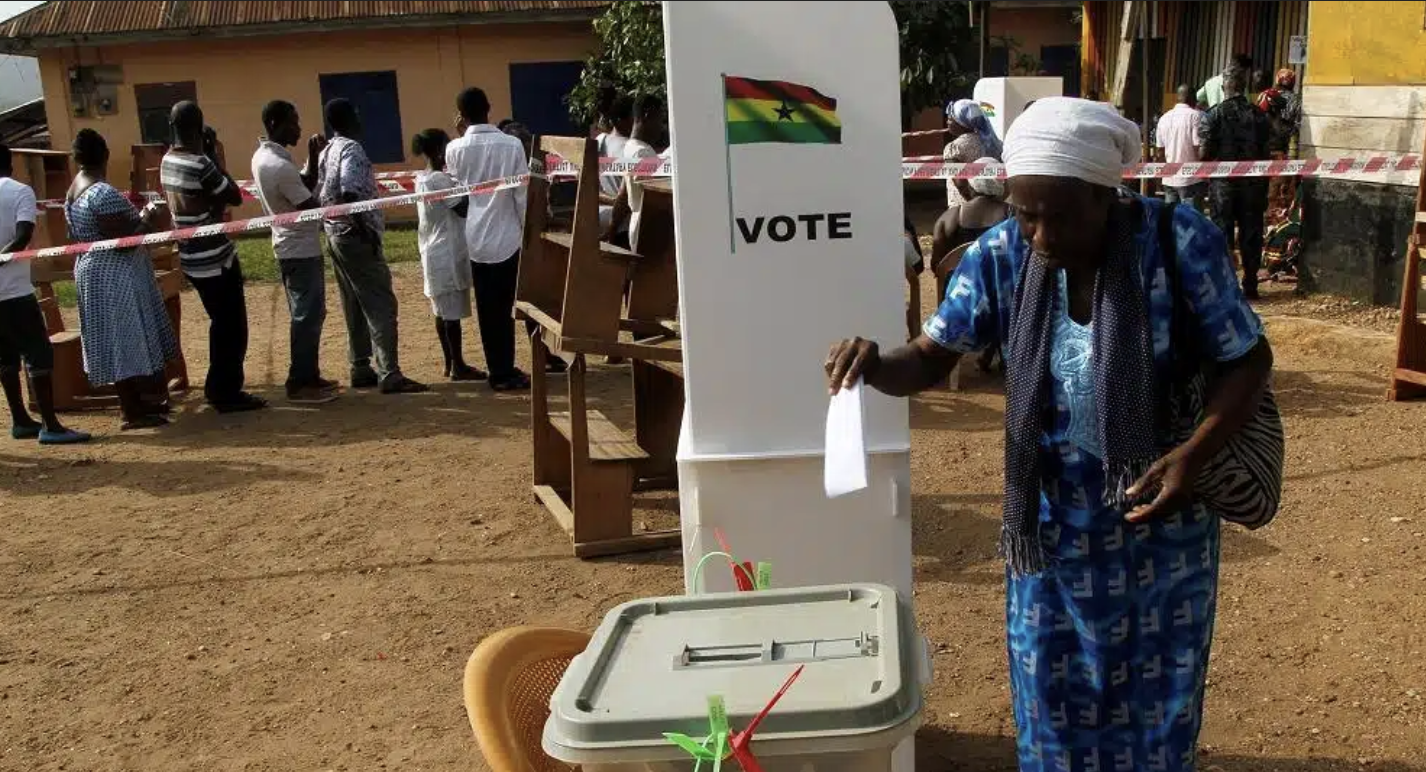
On 7 December it was Ghana’s turn and once again the election was fair and there was a transfer of power.
Ghana’s Vice-President Mahamudu Bawumia has accepted defeat in Saturday’s election and congratulated the opposition candidate, former President John Mahama, on his victory, after he obtained a majority of the votes.
In the parliamentary elections, Mahama’s NDC won a landslide victory, winning 183 out of 276 seats, while the former ruling party, the NPP secured 88 seats, with independent candidates also winning four seats.
NUMBER FIVE: Somaliland
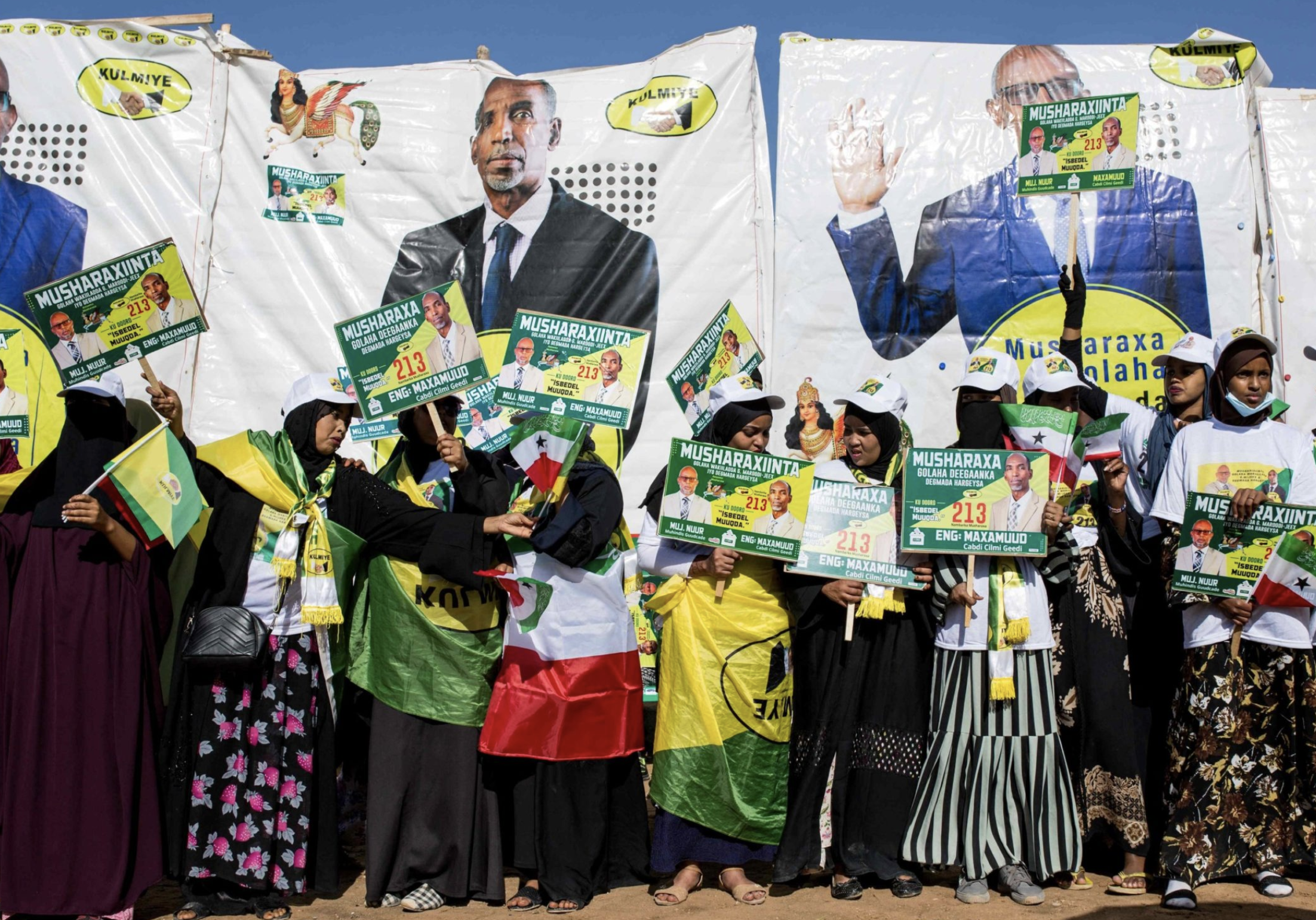
No African state recognises Somaliland as an independent nation, but this did not stop them holding free and fair elections.
The November election saw victory for the opposition leader of the self-declared republic of Somaliland, Abdirahman Mohamed Abdullahi.
More popularly known as Irro, he won with 64% of the vote to become Somaliland’s sixth president since it broke away from Somalia in 1991.
There were celebrations when the result was announced.
NUMBER SIX: South Africa
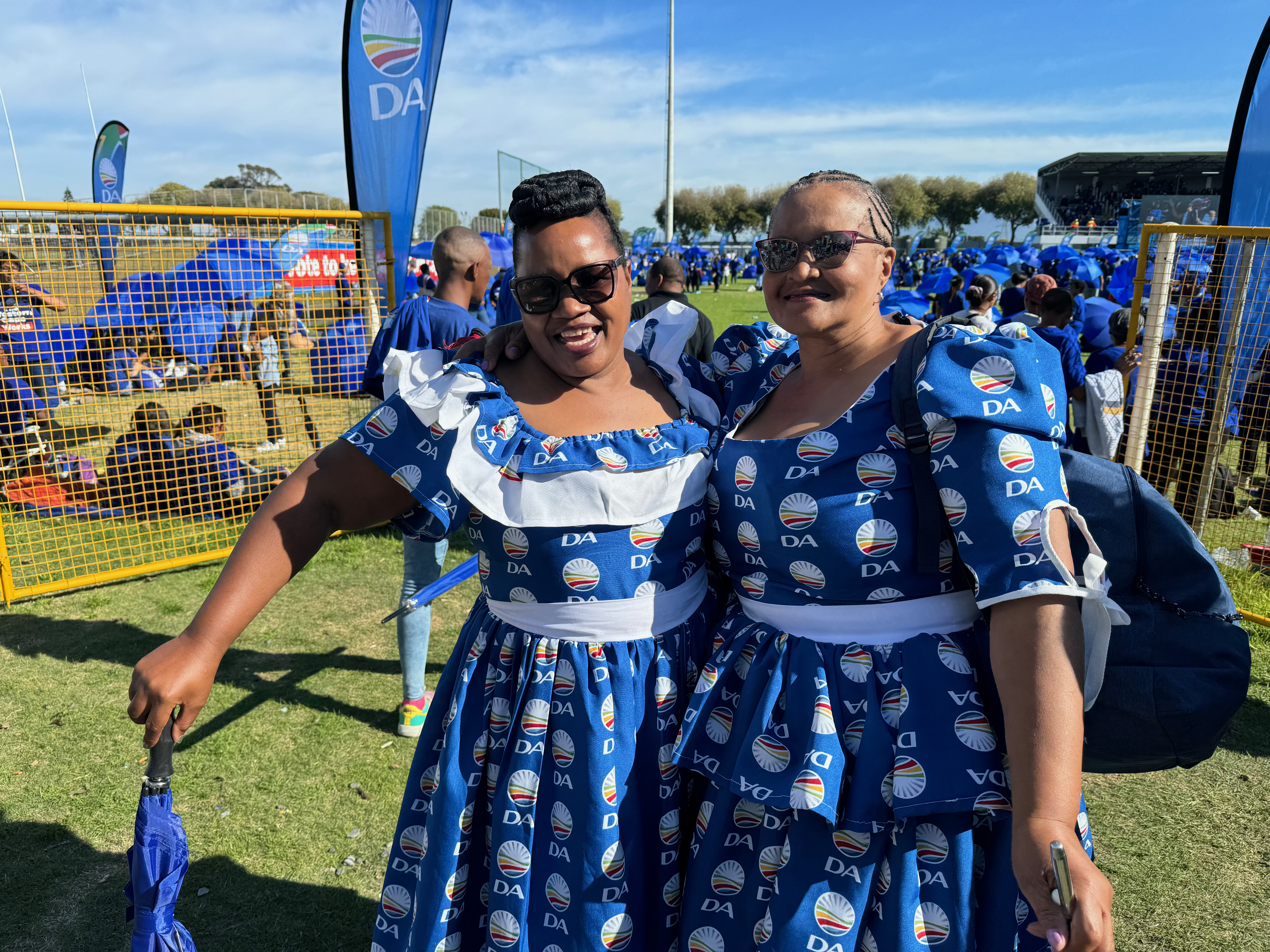
The election on May 29th was one that I witnessed from Cape Town.
The ruling ANC saw its share of the vote fall to 40.18 per cent. And without majority support it had to reach out to other parties to form a coalition government. Agreement was arrived at with 10 political parties agreeing to form a government of national unity.
The Democratic Alliance, once shunned by the ANC, has more cabinet seats than any other opposition party, but still fewer that it believed it should have, given their share of the votes.
Again, the outcome reflected the views of the people and was welcomed.
What can we conclude?
Africa has no problem holding well run, free and fair elections. All that is needed is for Africa’s leaders to allow voting to take place that reflects the real will of its people.
Let democracy reign and the celebrations begin!