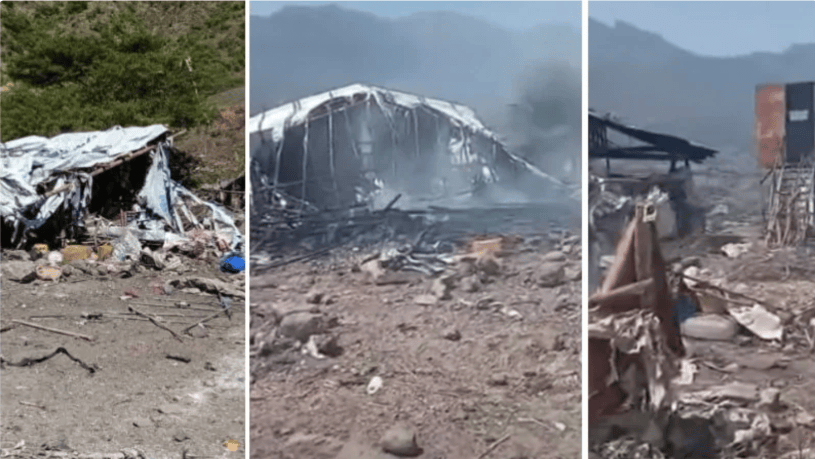
Source: Mintesinot Melaku
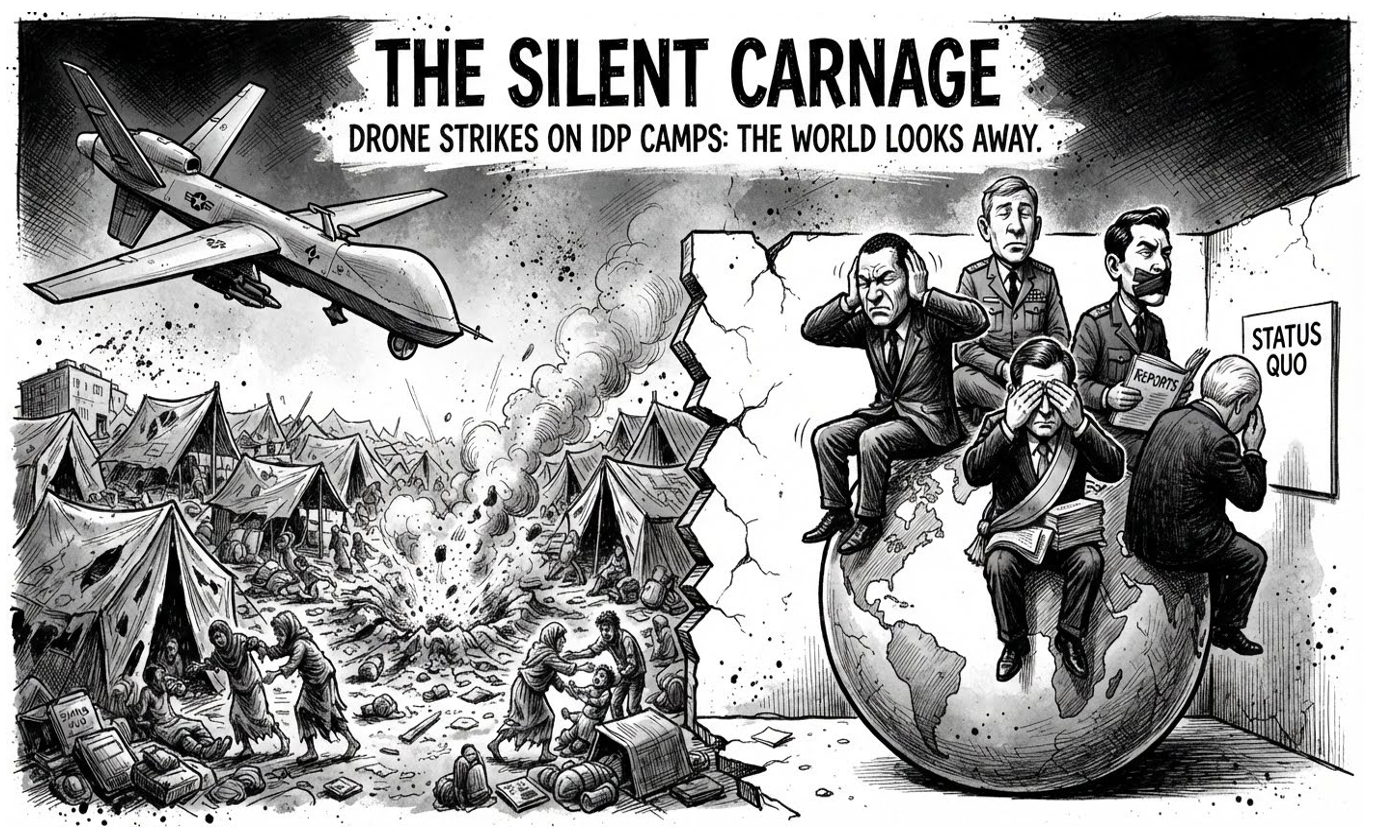
The international community’s continued silence regarding the devastating use of aerial warfare against vulnerable civilian populations in Ethiopia has reached a critical juncture. Recent military operations have repeatedly crossed the boundaries of human decency, most notably through drone strikes targeting internally displaced persons (IDP) camps. Sites such as the Jari 2 camp in the Amhara region and Adi Daero in Tigray, once sanctuaries for families fleeing conflict, have instead become scenes of unimaginable carnage.
The Tragedy on the Ground
In late October 2026, a series of successive drone strikes reportedly hit the Hayiq Jari 2 Turk IDP camp in South Wollo, in Ethiopia’s Amhara region. According to eyewitnesses and humanitarian sources, the camp was struck at least five times at approximately 15-minute intervals. The timing and repetition of these attacks raise serious concerns, particularly regarding the potential exposure of survivors and rescuers to subsequent strikes.
The attacks reportedly killed between 15 and 24 civilians, including pregnant women, students, and an eight-year-old girl, while leaving dozens more severely injured.
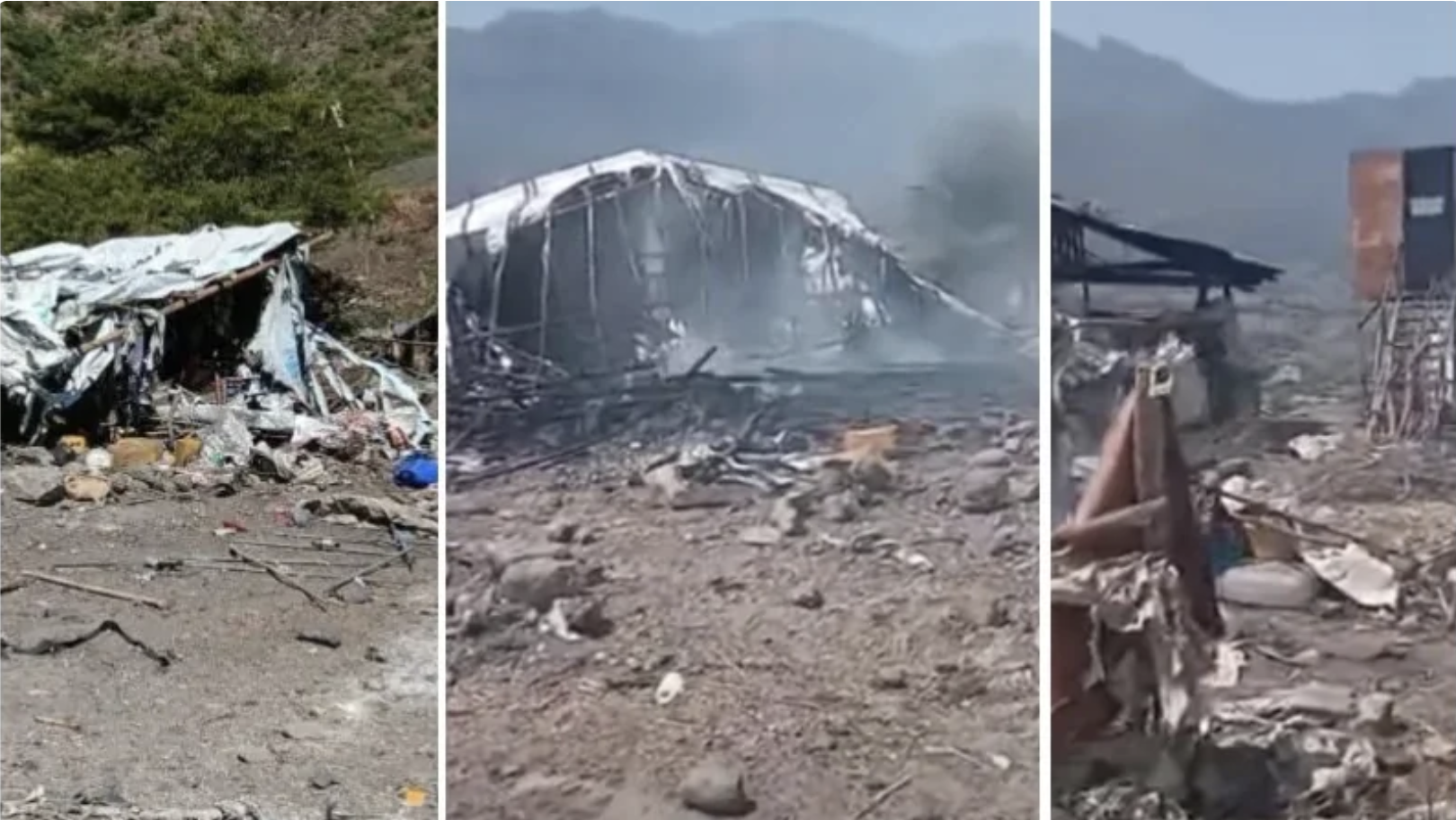
This tragedy echoes the horrific October 2022 airstrike on a school sheltering internally displaced persons in Adi Daero, northwestern Tigray. That attack killed more than 50 civilians and wounded approximately 70 others. In both instances, the victims were unarmed civilians and families who had already been forced to flee their homes to escape previous waves of violence.
What International Law Says
Under international humanitarian law (IHL), civilians and civilian infrastructure are entitled to protection during armed
conflict. The Geneva Conventions and their Additional Protocols establish fundamental principles that all parties to an armed conflict must respect. Three principles are particularly relevant:
– The Principle of Distinction: Parties to an armed conflict must distinguish at all times between combatants and civilians, as well as between military objectives and civilian objects. Civilians who are not directly participating in hostilities must never be deliberately targeted. IDP camps are generally civilian sites and retain their protected status unless they meet the strict legal criteria for becoming military objectives.
– The Principle of Proportionality: An attack is prohibited if the anticipated incidental loss of civilian life or injury would be
excessive in relation to the concrete and direct military advantage expected. Military objectives cannot justify disproportionate harm to civilian populations.
– The Principle of Precaution: All parties must take every feasible precaution to avoid or minimize civilian casualties. In the case of Adi Daero, humanitarian organizations reportedly shared the GPS coordinates of the IDP camp with the federal government months before the strike. If verified, this information raises serious questions about whether the necessary precautions were taken to protect the civilians sheltering there.
When military forces carry out successive strikes against known civilian locations, particularly when survivors and rescuers may remain at the site, such operations demand rigorous investigation. They cannot simply be dismissed as collateral damage or operational errors. Under Article 8 of the Rome Statute, intentionally directing attacks against civilians who are not directly participating in hostilities constitutes a war crime.
The Demand for Accountability
The federal government in Addis Ababa, led by Prime Minister Abiy Ahmed, has consistently maintained that its aerial operations target armed extremist groups. However, reports of civilian deaths, mass casualties, and bodies recovered from displacement shelters raise serious questions about the government’s claims and the conduct of its military operations.
The international community cannot remain silent while sophisticated drone technology is reportedly being used in ways that expose some of Ethiopia’s most vulnerable populations to devastating attacks. The responsibility for ensuring compliance with international humanitarian law extends beyond drone operators to military commanders and senior officials who authorize, direct, or oversee such operations.
Where the legal requirements are met, those who order, authorize, or knowingly facilitate unlawful attacks must be held individually accountable. The principle of command responsibility must not remain an empty provision of international law.
If international humanitarian law is to retain any credibility, independent international bodies must conduct impartial investigations into the repeated bombardments of IDP camps in Ethiopia. Those found responsible for ordering, planning, or executing war crimes must face justice, regardless of their military rank or political position.
The lives of displaced civilians cannot be treated as expendable, and the places where they seek refuge must never become targets of military violence. The world must break its silence, demand accountability, and ensure that the victims of Jari and Adi Daero are not forgotten.

