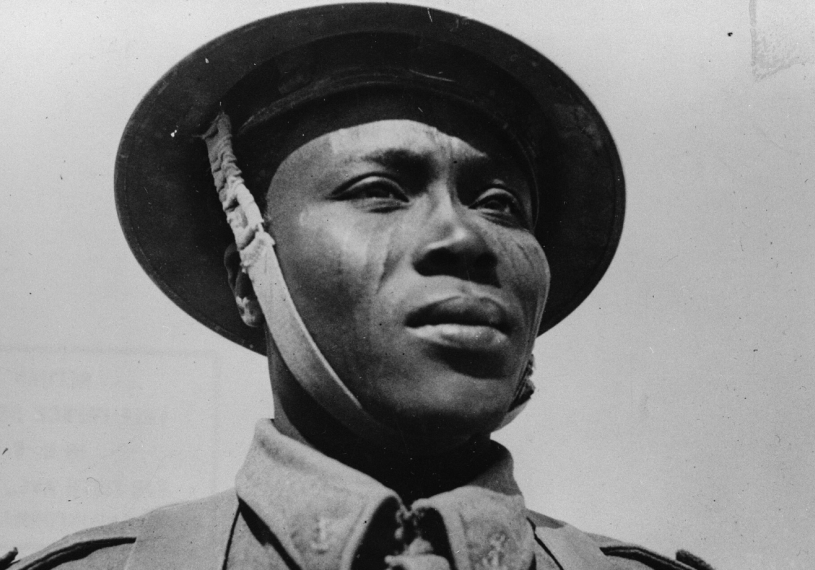
In these three programmes, produced by Martin Plaut for the BBC World Service for Africa, you can hear the voices and experiences of the African troops who fought for Britain and its allies in World War Two. They were fighting fascism, and they knew it. It was a fight for their freedom too.
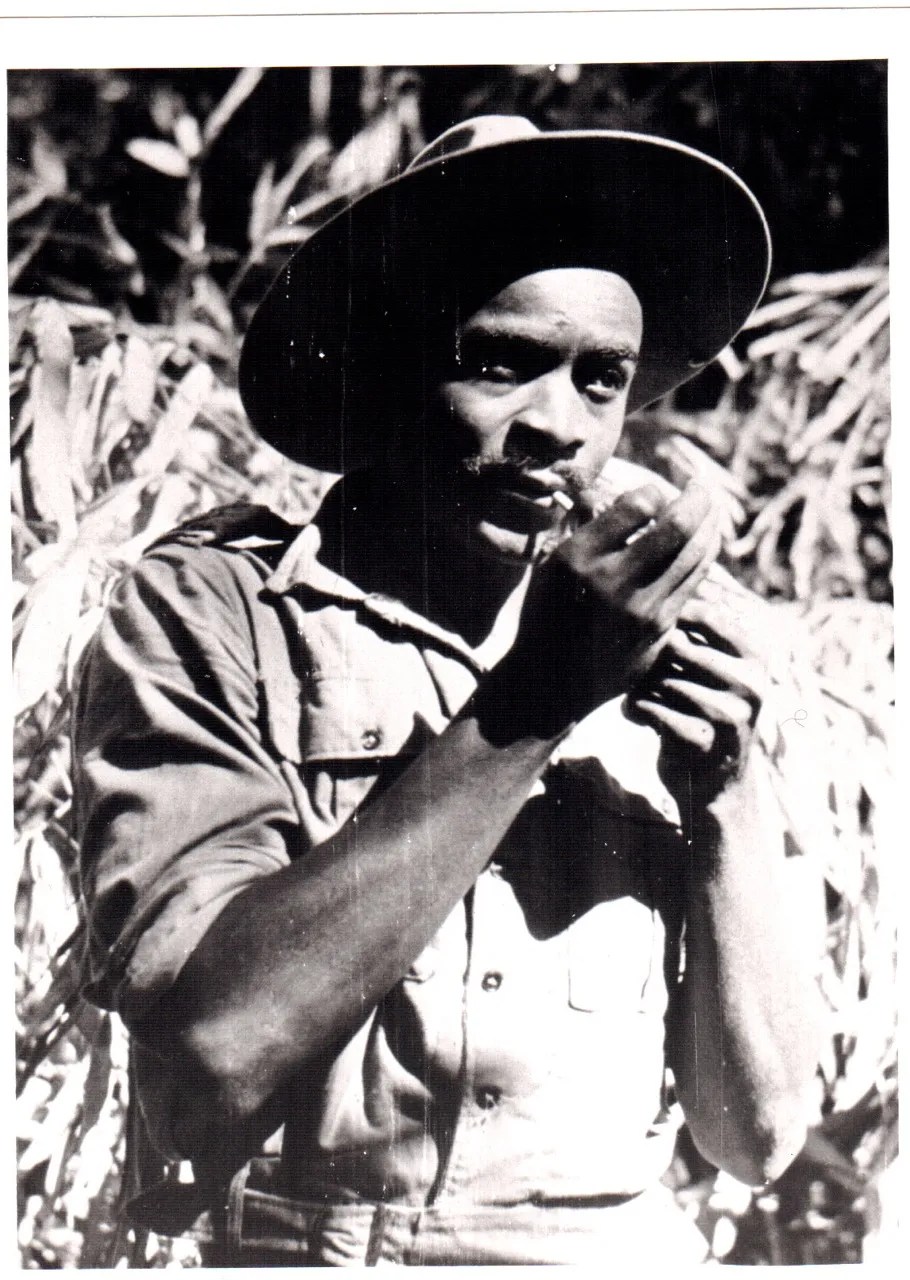
Very few attempts had been made to listen to what they had to say until I came across an elderly white English woman in London. When I told her that Africans had fought for Britain during the war, she slammed her door on me shouting: “you liar!”
In that instant I was determined to show her that I was not and that Africans had a proud record of fighting in World War One and Two. With the help of the BBC’s extensive network of journalist across Africa, and through broadcast appeals, we collected the evidence.
Everything from letters and interviews to an entire book flooded in! Isaac Fadoyebo sent the book: a biography of his experiences as a Nigerian soldier who served in the British Royal West African Frontier Force during the war in Burma. He was left behind, wounded and cared for by Burmese, only to be rescued when the British and its allies drove the Japanese out.
Fadoyebo’s book: A stroke of unbelievable luck, was published by the African Studies Program, University of Wisconsin-Madison. ISBN 9780942615425 with the help of Professor David Killingray. It was later turned into a book and a film by Barnaby Phillips. Another Man’s War: The Story of a Burma Boy in Britain’s Forgotten Army . The film, entitled “The Burma Boys” which was produced for Al-Jazeera.
All the original material that I had collected for the BBC was sent to the Imperial War Museum in London, where scholars continue to consult it as a rare source of African voices on the Second World War.
These are the three radio programmes, which were broadcast by the BBC World Service for Africa in 1989.
Programme One:
In this first instalment, I investigated what motivated African soldiers to fight in the war, their recruitment, their training and the first major battle they participated in in the horn of Africa.
Programme Two:
In part two of the docuseries “African Soldiers and WW2”, I take the audience through conflict on African soil, the loss of Tobruk, Battles in Egypt, African support for France’s Charles de Gaulle, the story of a black RAF Officer captured by the Nazis and the Allies’ advance through Italy.
Programme Three:
In the third and final instalment of the documentary “African Soldiers and WW2”, we find ourselves in Burma, where African troops fought the Japanese. India was under threat, and reinforcements from Africa played a vital role in protecting allied territories. Soldiers speak of their time and experiences and somewhat unconventional tactics in fighting the Japanese. We close this series speaking to soldiers about coming home after the war, how they were treated by the colonial powers and what they had learned from their experiences travelling around the world, comrades with men from cultures they otherwise would have been unlikely to meet.

