| A deadly chemical trail: New scientific evidence reveals industrial-scale pollution at DRC’s copper-cobalt mines |
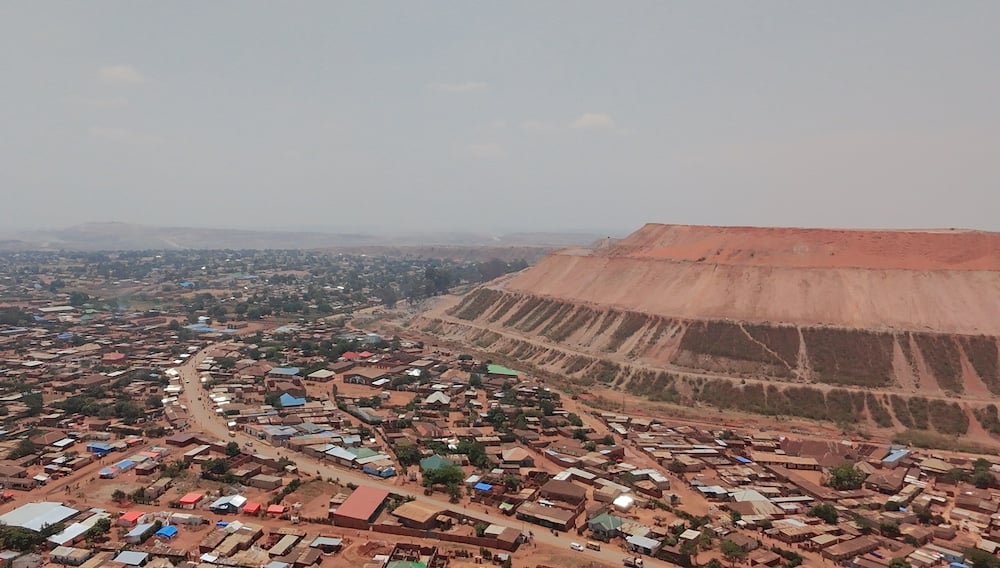
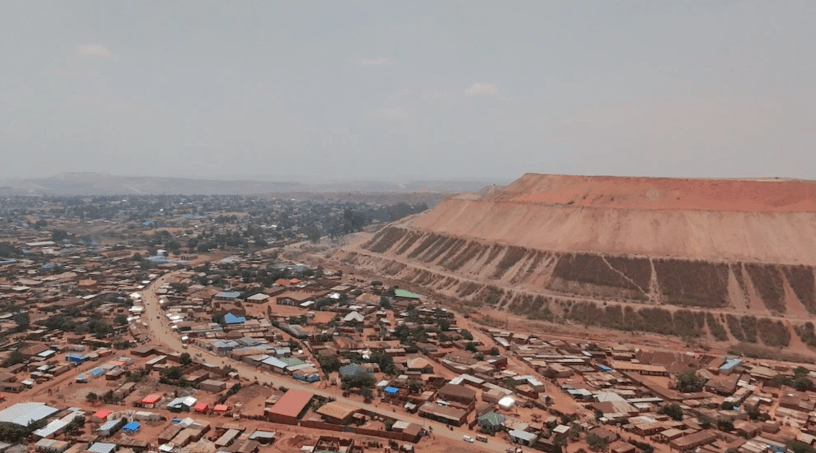
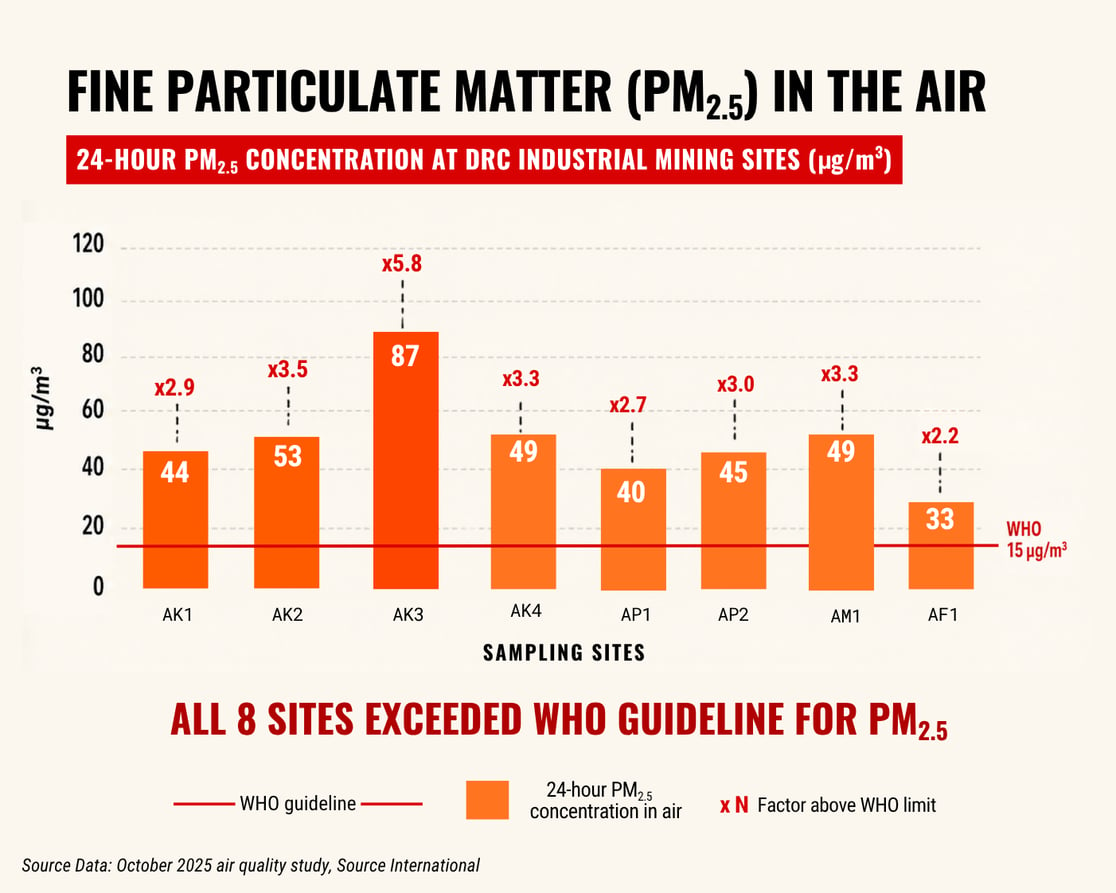
| FOR IMMEDIATE RELEASE: 4 June 2026 Independent studies uncover widespread air pollution, and water and soil contamination, with serious public health risks Pour la version française, cliquez ici. New scientific studies published today document widespread pollution in the air, water and sediment around large-scale copper and cobalt mines in the Democratic Republic of Congo (DRC). Scientists have identified pollutants linked to lung disease, neurological damage, cancer and reproductive harm, with children most at risk. Residents living near the mines report escalating health problems. As one put it, “We are being killed slowly.” DRC supplies more than 70% of the world’s cobalt, essential to electric vehicle batteries and other green energy technologies, as well as significant quantities of copper. As the global transition to “clean” energy accelerates – alongside the expansion of AI data centres and military industries – the appetite for both minerals is intensifying. Two of the studies, led by experts from Source International, an environmental science organisation based in Italy, provide the first systematic assessment of air quality in the region, alongside an analysis of water and sediments. These are complemented by two further studies on water quality and environmental health led by Professors Célestin Banza Lubaba Nkulu and Arthur Kaniki Tshamala of the University of Lubumbashi, two leading environmental experts. Using separate methodologies and independent laboratories, the research teams all reached strikingly convergent conclusions about the scale of the pollution. Scientific findings at a glance At every site monitored, concentrations of fine dust particles (PM2.5 and PM10) in the air exceeded World Health Organization (WHO) guidelines, in some cases by up to six times; 98% of hourly measurements were above safe limits, indicating communities are exposed to dangerous levels of toxic air continuously, not occasionally.At the Galaxy School in Kolwezi, where approximately 1,500 children and 68 staff work and study daily, less than 500 meters from a mining waste stockpile, pollution levels were among the highest recorded across the entire air pollution study.The dust carries the chemical fingerprint of industrial mining residues; analysis ruled out traffic, domestic burning of wood, charcoal, and artisanal mining as primary sources.Across rivers, lakes and wells, scientists found elevated concentrations of copper, cobalt, manganese, arsenic, lead and uranium; metal concentrations in the Kelangile River and Lake Kando exceeded international environmental standards.A community water well in Kolwezi, located 200 meters from a tailings storage facility, was found to be 100 times more acidic than recommended, with manganese and aluminium concentrations up to 14 times above health-based limits; manganese at elevated levels has toxic effects on the central nervous system. |
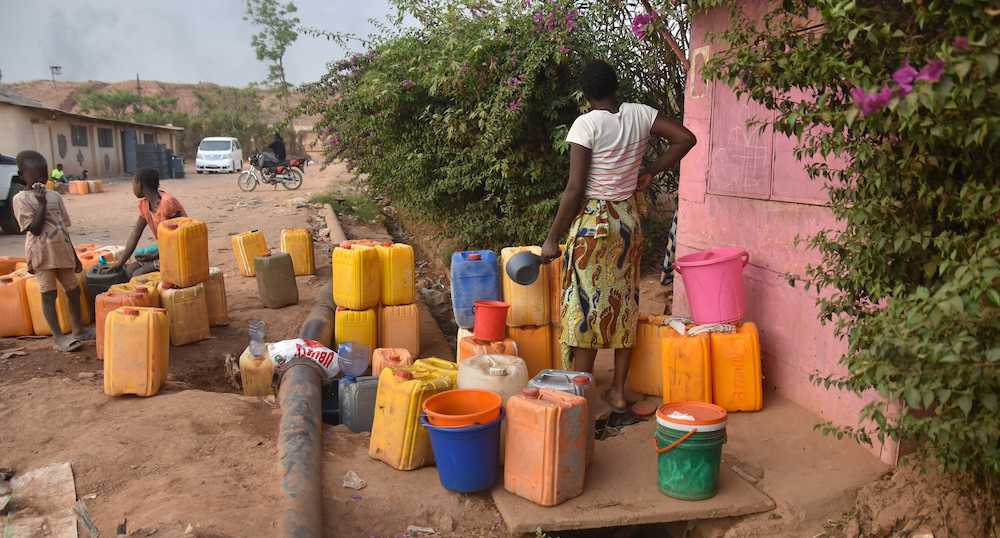
| Scientists raise the alarm on serious health risksParticulate matter pollution is the second-leading risk factor for death globally. In its findings, Source International highlights that it is associated with respiratory illness, cancer, premature births and harm to newborns. It warns that mounting evidence of health problems “raises significant concerns about the health of frontline communities in Lualaba”. Professor Banza cautions that metal-contaminated sediments accumulating in the region’s rivers and water bodies constitute “a chemical time bomb”, concluding that “chronic exposure of fenceline communities appears consistent with significant and serious health risks”. Contamination of this nature can lead to neurological disorders, kidney disease, chronic poisoning and developmental disturbances in children. Evidence confirms environmental harms that communities have long reported The studies were conducted across eight communities in and near the towns of Kolwezi and Fungurume, in Lualaba Province, close to large industrial mining operations, notably: Tenke Fungurume Mining (TFM, operated by CMOC); COMMUS (operated by Zijin Mining) and Mutanda Mining (operated by Glencore). The scientific findings are reflected in the personal testimony from more than 150 local residents and medical staff, gathered by UK-based corporate watchdog organisation, RAID, and Congolese natural resources NGO, AFREWATCH, who describe contaminated water, choking dust, failing crops and worsening health. “Long ago, the air was good,” said one resident of Kaindu. “Now, when you wake up, you feel pain in your nose and your head aches.” In Pierre Muteba and Tshizuza, residents describe washing their homes three or four times a day to remove dust that settles on clothes, food and water. “When it arrives, it is like a fog,” said one resident of Mibanze about the air pollution. Across multiple communities, residents report persistent coughing, skin conditions, nosebleeds, eye irritation and headaches, with symptoms worsening in the dry season. Women describe miscarriages, menstrual disruption and reproductive health problems they attribute to the pollution and say children are the most severely affected. “It is very serious for young babies,” said one mother in Pierre Muteba. “Since I came to live here, I have had a cough every month without end. It is the same for the children.” Local medical professionals confirm what residents describe. “There is not a day without a case that can be linked to air pollution,” said one doctor working in Kolwezi. Communities say they have raised these concerns repeatedly with companies and authorities, but often with little or no response. All three scientific teams conclude that an urgent, independent health assessment of affected communities is needed. The independent scientific studies are published today by AFREWATCH, RAID and Source International. The groups call on mining companies to fund a health assessment, publish their environmental monitoring data, and take immediate action to reduce pollution at source. The organisations shared the findings of the four scientific studies with CMOC (TFM), Glencore (MUMI) and Zijin Mining (COMMUS) two weeks in advance of publication and invited observations. TFM provided a detailed written response, available here. Glencore acknowledged the findings in its short response (see below) and stated it would consider them in its environmental management systems. COMMUS requested an extension after the 1 June deadline had passed. It has yet to provide observations. |

| Flaviano Bianchini, Executive Director, Source International:“In our many years of monitoring pollution at industrial mining sites around the world, these are among the most concerning air quality results we have documented. At every site we measured, fine particulate matter exceeded WHO guidelines by a very wide margin. The dust carries the unmistakable chemical fingerprint of industrial mining residues. An urgent, independent health assessment of these communities is not just a recommendation, it is a necessity.”Emmanuel Umpula, Executive Director, AFREWATCH:“The communities living alongside these mines are paying the price for the world’s clean energy ambitions with their health, their crops and their rivers. They have been telling us this for years, and now the science confirms what they have been saying. It is time companies act, and the DRC government steps up to enforce its environmental laws.”Anneke Van Woudenberg, Executive Director, RAID:“The world is building a clean energy future on cobalt and copper mined in conditions that are anything but clean. The companies profiting from that contradiction have the leverage to change it. These scientific studies give them no excuse not to act.”Professor Arthur Kaniki Tshamala, Department of Industrial Chemistry, Faculty of Polytechnic Engineering, University of Lubumbashi:“After several years of research into water quality in the mining regions of Haut-Katanga and Lualaba, these findings do not surprise me. They are consistent with trends we have already observed. The data clearly shows that the observed contamination is not a remnant of the mining past: it is ongoing, it is getting worse, and it is in close proximity to active mining areas. There is an urgent need for enhanced environmental monitoring, especially given that people in the affected areas are already bearing the cost of this pollution.”Professor Célestin Banza Lubaba Nkulu, Toxicology and Environment Unit, Faculty of Medicine, University of Lubumbashi:“The rivers and lakes of the Greater Katanga region are the primary victims of industrial mining, alongside the communities who depend on them. The massive and continuous deposit of metal-contaminated sediments in these ecosystems constitutes, in my assessment, a chemical time bomb. The peer-reviewed scientific literature, to which I and my colleagues have contributed over many years, documents clearly what these metals do to human bodies: neurological damage, kidney conditions, haematological effects and increased cancer risk. That evidence has been accumulating for decades. What has been lacking is the action to match it.” |
| The four scientific reports are available for download at this link:Mining impacts on air quality in the Copper-Cobalt Belt, Democratic Republic of Congo: First assessment of particulate matter and inhalable heavy metals in Lualaba’s frontline communities from the October 2025 sampling campaign – Source International, June 2026Mining impacts on aquatic environments in the Copper-Cobalt Belt, Democratic Republic of Congo: Assessment of water and sediment quality in Lualaba’s frontline communities from the October 2025 sampling campaign – Source International, June 2026Évaluation des risques environnementaux et sanitaires associés à la pollution des cours et plans d’eau dans le Grand Katanga en République Démocratique du Congo – Prof. Célestin Banza Lubaba Nkulu, Department of Public Health, University of Lubumbashi, June 2026Évaluation de la qualité des eaux et des sols dans les communautés impactées par les entreprises minières TFM, COMMUS et MUMI – Prof. Arthur Kaniki Tshamala, Department of Industrial Chemistry, University of Lubumbashi, June 2026For a further background summary, please visit our web page here. See also Beneath the Green: A critical look at the cost of industrial cobalt mining in the DRC, published by RAID and AFREWATCH in March 2024. |

