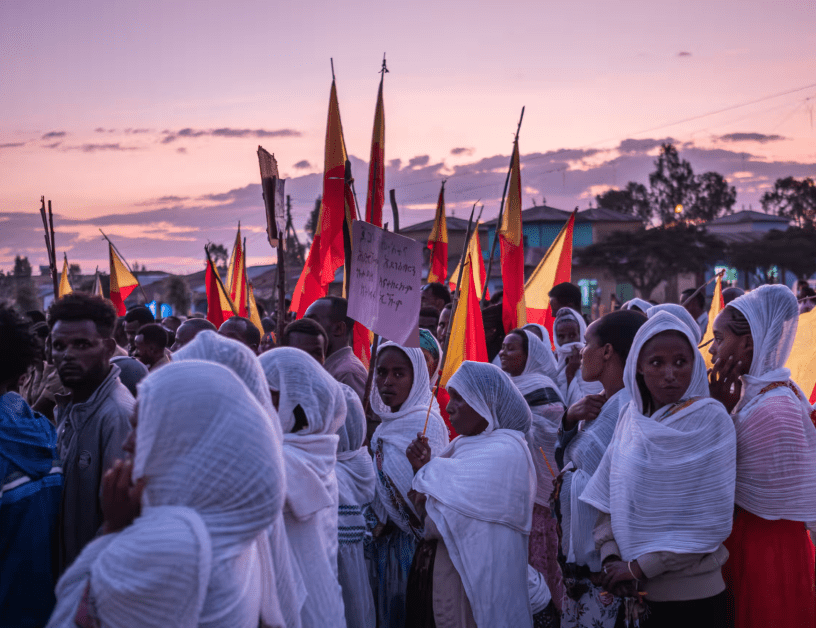
This study, completed in 2024, provides a clear and heartbreaking picture of the situation in Tigray and the suffering its people endured during the 2020-2022 war. Sadly, the current situation means there has been only limited improvement since then.
Tigray remains under threat from the central government, with limited access to resources. It did not participate in the recent general election.
Martin
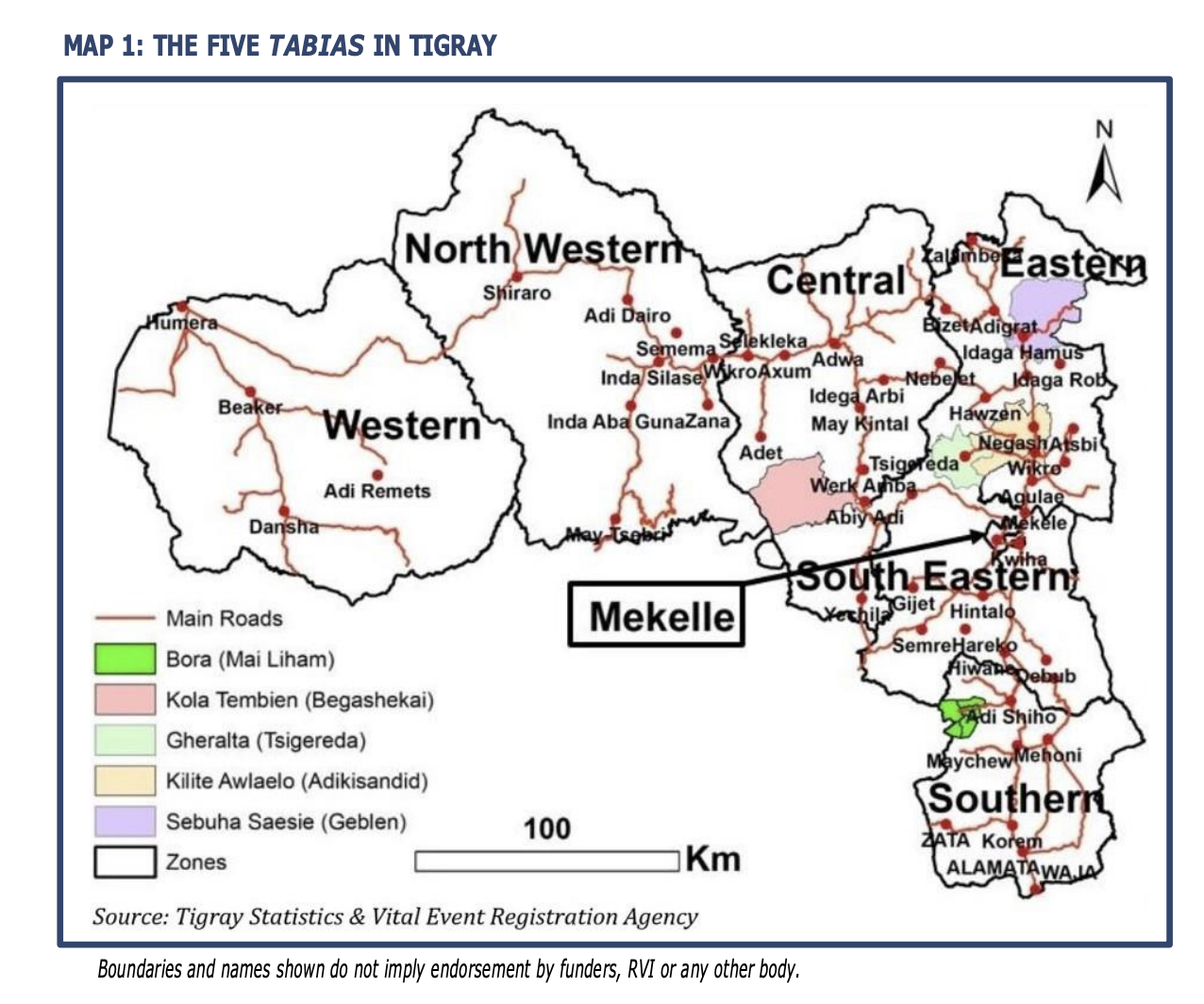
Some key findings in five tabias
- The upward trend of the pre-war period ended with the massive economic disruption due to the war followed by the 2023 drought. Looting, destruction, and disruptions to market access devastated local economies and livelihoods.
- The teaching-learning process was disrupted as schools remained closed throughout the war in some tabias, reopening for a few months with NGO support in Mai Liham and Begasheka, although only a few students were attending for fear of air strikes. After the war, the recovery of the education sector was affected by the widespread destruction, leading to the inability of schools to operate normally.
- The war left a legacy of general impoverishment and exacerbated social vulnerabilities, and this was made worse by the 2023 drought, high inflation, and ever-rising living costs. These factors not only exacerbated the situation for those already vulnerable before the war but also added more people to the category of vulnerable individuals.
- There is very little support for TDF members who return home with often deep trauma, youth are facing joblessness, hopelessness, and landlessness, and the number of female-headed households and orphans has sharply risen. Women, mothers, and wives dealing with grief, mourning, hopelessness, anger, and resentment in some cases, are particularly vulnerable.
- Post-conflict, local governance is seen as deeply problematic, hampered by a lack of financial and material resources and staffing, and demoralised staff at all levels. Governance efforts to coordinate recovery and restoration are widely seen as inadequate, and there is frustration over the slow pace and inconsistent delivery of aid among community members.
- Finally, the long-term emotional and psychological impacts of the conflict were frequently noted.

