Source: Mohamed Kheir Omer
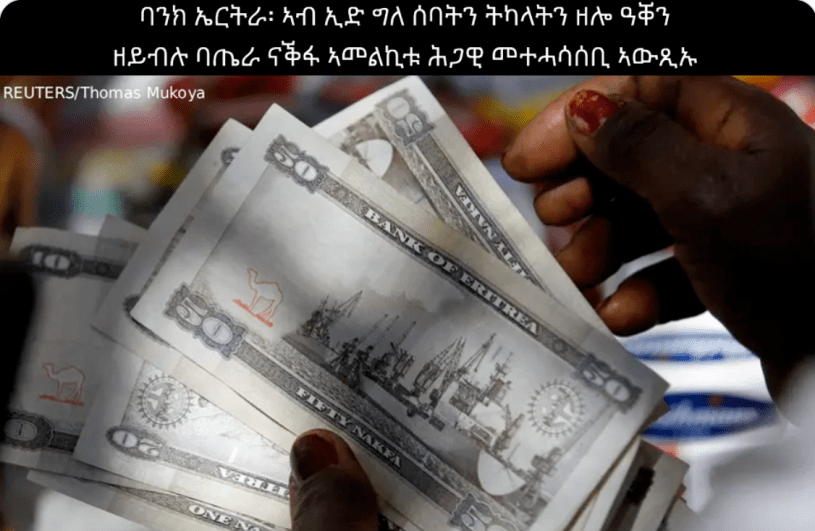
The Eritrean government has continued to collect its controversial 2% diaspora tax despite measures by several Western countries to curb the practice.
Critics have long described the Eritrean regime as a mafia state operating through coercive methods, arguing that the tax remains a key instrument of control over citizens living abroad and a source of income. Although some governments have barred Eritrean embassies and consulates from collecting the levy on their territory, the regime has adapted its methods rather than abandoned the practice.
According to Eritreans familiar with the process, embassy visitors are often required to surrender their mobile phones and other electronic devices before entering. They are then asked to produce their annual income tax assessment from their country of residence. Embassy officials use this information to calculate the amount owed under the 2% tax and issue a payment slip, typically written in Tigrinya.
Rather than accepting payment at the embassy in countries where collection has been restricted, applicants are reportedly instructed to pay the tax in cash, usually in U.S. dollars, by travelling to Eritrea or, through relatives or trusted individuals travelling to Eritrea, paying directly at the Consular Section of the Ministry of Foreign Affairs in Asmara. Once payment is made, the receipt is presented to the embassy before consular services are provided.
Failure to pay the tax can have significant consequences. Eritreans who refuse or fail to settle the levy reportedly face denial of essential consular services, including obtaining official documents and carrying out transactions related to property or other legal affairs inside Eritrea.
Several Western governments have taken action against the collection of the tax. The United Kingdom ordered the Eritrean Embassy to stop collecting it in 2011; Canada followed suit in 2012 and later expelled Eritrea’s consul general, while the Netherlands expelled an Eritrean diplomat in 2018 over the issue. Germany has formally warned Eritrean diplomats against collecting the tax, and the #Swedish Parliament has also criticised the practice.
International concern has likewise been reflected at the United Nations. In December 2011, the UN Security Council adopted Resolution 2023 by a vote of 13 in favour, with China and Russia abstaining. The resolution condemned Eritrea’s use of the diaspora tax to violate the UN sanctions regime and to destabilise the Horn of Africa, including through the procurement of arms for armed opposition groups. It further required Eritrea to cease using extortion, threats of violence, fraud and other illicit means to collect taxes from Eritrean nationals and persons of Eritrean descent living abroad.
The European Parliament has also repeatedly condemned the coercive collection of Eritrea’s diaspora tax, recalling the provisions of UN Security Council Resolution 2023 and urging action to protect Eritrean diaspora communities in Europe from intimidation, extortion and other forms of pressure linked to the tax.

