By Malyn Newitt, Professor Emeritus at King’s College London, Hurst & Co. 2026
For anyone with the least interest in football, Cape Verde was the star of the 2026 world cup. The smallest country ever to qualify, they turned out to be giant killers. In whirlwind appearances they crushed Eswatini (Swaziland to most people) before holding their own and drawing with some of the mightiest teams in the game: Spain, Uruguay, and Saudi Arabia. They finally lost 3-2 to defending champions Argentina in overtime.
European visitors will know the islands as a winter sunshine resort. But Professor Malyn Newitt opens up a completely different world. It is one that reveals the rich political and cultural creole world of that Atlantic that the Portuguese established as they travelled down the African continent between 1456 and 1460. The island of Santiago became a base from which the Portuguese could trade and so the archipelago came within the Lusophone empire. But it was not long before slaves became an integral part of island’s peoples and – over time – a creole population came into being.
It was a rich culture that also spread to the Guinea islands. Much closer to the African mainland than Cape Verde they soon became part of a creole world that in time included other Portuguese territories, like Brazil. Professor Newitt’s book is the first to explore this world in detail and he writes with clarity and a depth of understanding that would be hard to emulate.
The society that came to live on the islands were not just made up of Portuguese settlers and slaves, but also Jews who were expelled from the by the Catholic monarchs in 1492. They were given the alternative of conversion to Christianity or exile. Many chose the latter and became part of the population of the islands. Their location off the West coast of Africa made Cape Verde important for Britain as a fuelling stop for the navy. They were used as strategic locations in the World Wars.
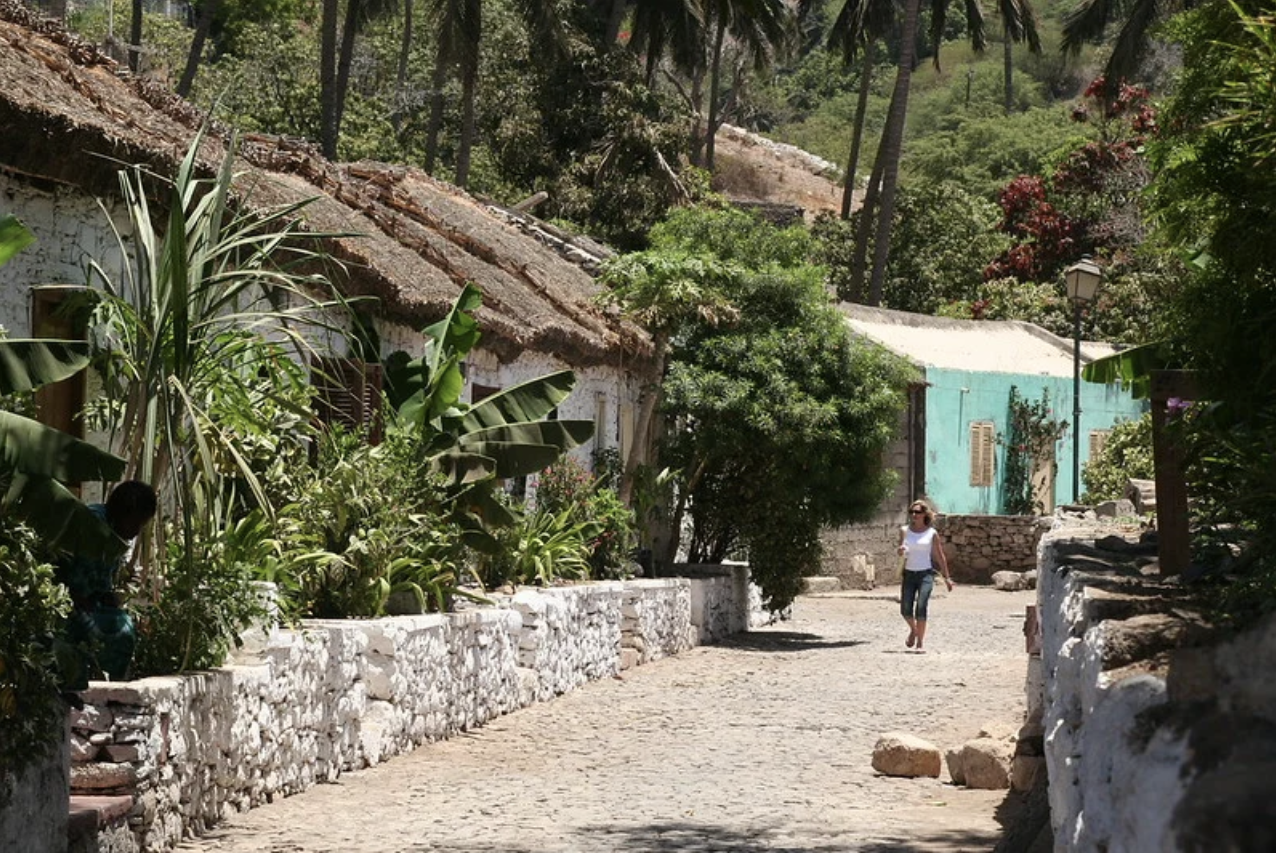
The islands were by no means easy to live on and when the rains came most of the population left their work and went to the fields. “[A]lmost the whole able bodied population of the city ran off to the fields for the work of sowing, to the great prejudice of the port and at times placing the [coaling] companies in great difficulties.” Diseases were brought by the visiting ships and many people lived in great poverty, with starvation always knocking on the door. Riots took place and force was used to repress them.
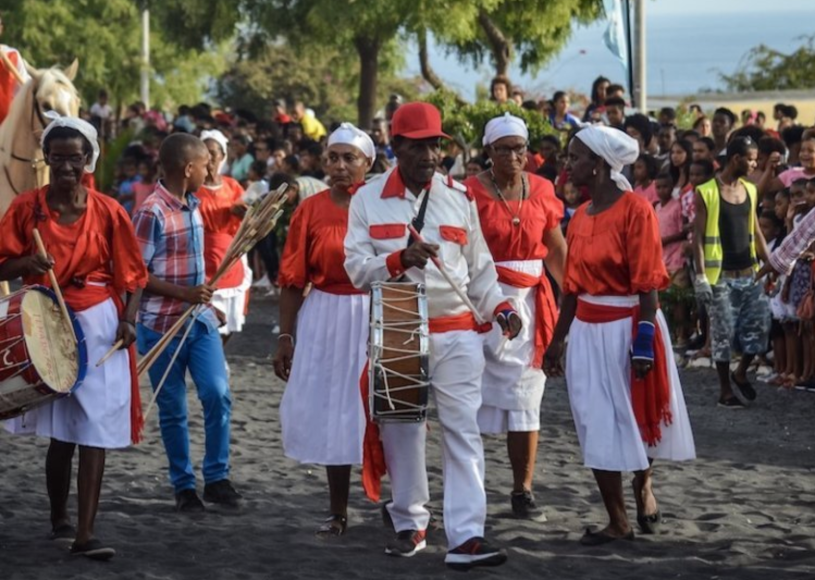
Mildeno, the port city and cultural capital was described as “a city of two faces, one a city of opportunities” for professionals and the cultural elite, and the other “a land of perdition where prostitution and venereal disease finds a fertile soil and festivities never seemed to end.” The society produced on the islands was nothing if not colourful. Its rich musical heritage remains one of the main attractions for the tourist industry.
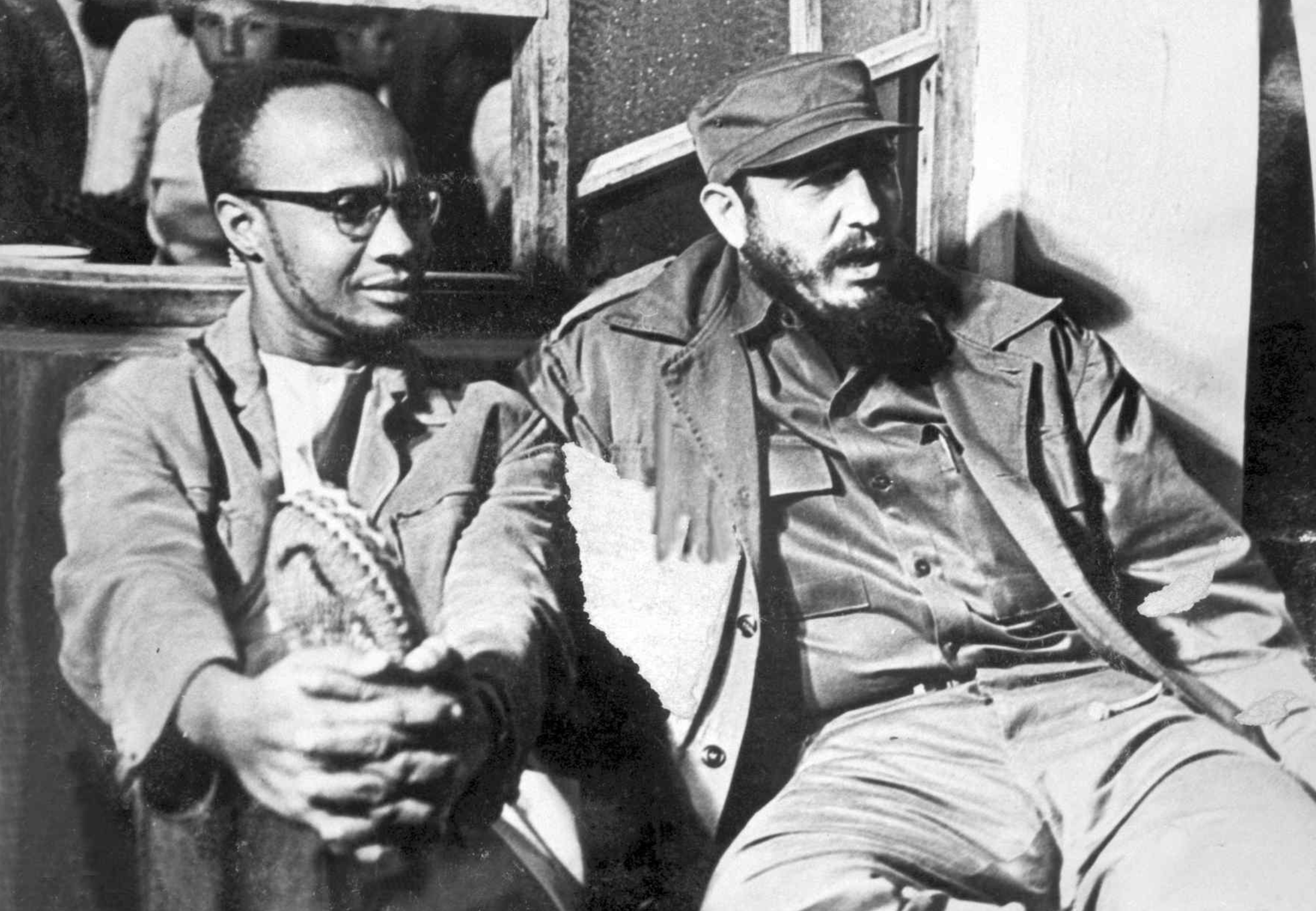
However, they also made an important political contribution to Africa. The African Party for the independence of Guine and Cabo Verde (PAIGC) was founded in 1959. Amilcar Cabral, from a Cape Verdean intellectual family, exerted his control over the party in 1964. He rose to become one of the key figures in the Lusophone movement against imperial control – along with Machel in Mozambique and dos Santos in Angola. He was to be assassinated on January 20, 1973. Cabral was recognised as a revolutionary figure by Cuba’s Fidel Castro, who hailed him as “…one of the most lucid and brilliant leaders in Africa, Comrade Amílcar Cabral, who instilled in us tremendous confidence in the future and the success of his struggle for liberation.”
As Professor Newitt says, Cabral was one of the few Cape Verdeans to gain worldwide recognition, even though he remains controversial on the islands. Refusing to call himself a Marxist, Cabral insisted that the islanders had to rediscover their African roots. But his demand that the Cape Verdeans should unite with Guinea to become a single nation was not universally popular. Cabral continues to be commemorated in songs and popular culture, but his legacy is still debated.
Professor Newitt concludes the book with this assessment.
“When the Portuguese wound up their colonial empire following the revolution of April 1974, the successor regimes were the parties with a creole leadership. The former colonies were now again ruled by the creole families which had once been dominant and which now replaced the European Portuguese administrators. The triumph of African nationalism in the 1975 independence agreements was the triumph not only of an elite of creole politicians but of a specifically creole ideology, silencing, or attempting to silence, a more ‘Africanist’ strain of nationalism, which found some expression in alternative independence movements like FNLA and Unita in Angola and Renamo in Mozambique.”
The tensions that this set up are still being played out in all three nations. Professor Newitt’s fine book is a perfect introduction to this complex, colourful and diverse world.

