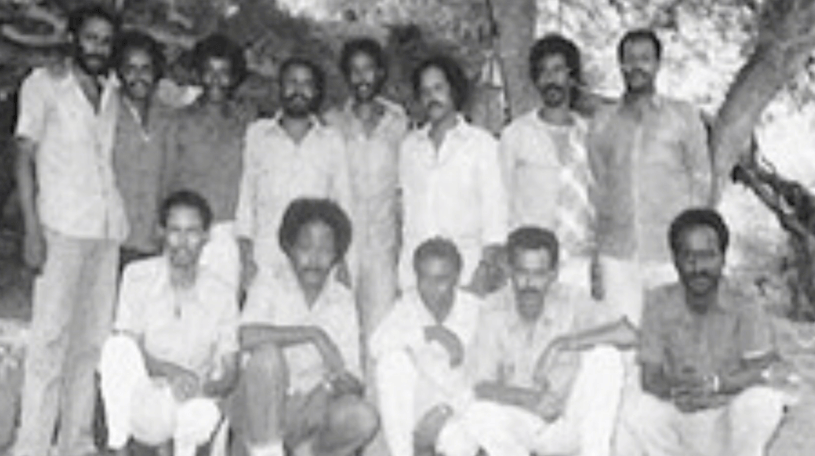
By Kjetil Tronvoll – full article below
My argument is straightforward, though its implications are far reaching: The EPLF, rechristened the People’s Front for Democracy and Justice (PFDJ) in 1994, never possessed a genuine democratic culture.
Its ideological foundations in Marxist-Leninist vanguardism combined with a Maoist self-reliance imperative, wartime habits of surveillance and discipline, and a conviction that the Front alone embodied the Eritrean national interest, produced a political organization structurally incapable of tolerating the uncertainty that real democratic competition demands. The elections it organized were not steps toward pluralism but instruments of ideologically driven nation-building and legitimation, exercises in controlled participation that systematically foreclosed the possibility of meaningful choice.
When even those limited exercises threatened to produce inconvenient results, they were either aborted or redesigned.


