
Now, we are united in a national movement under a single command. We are no longer just one. This is something new, a change that will have repercussions across a large part of Africa…At least seven organizations have held discussions about working together, not only today, but to build a nation in which it will be good to live after the fall of Abiy Ahmed. Strategic discussions took place seven or eight months ago. They have now come to fruition.
Published on August 16, 2026 Interview by @luislema
Source: Le Temps
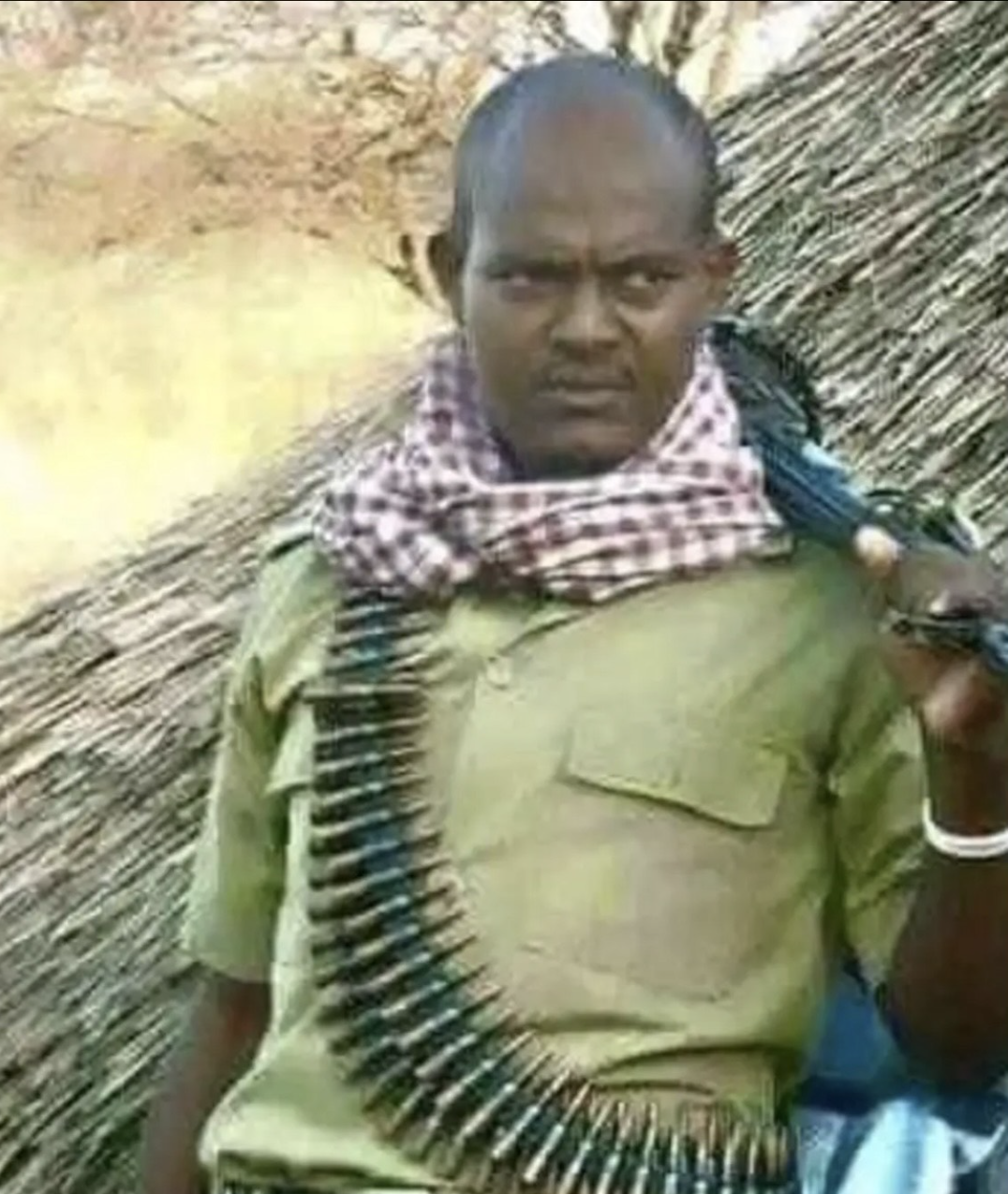
Zemene Kassie is the leader of the Fano movement, a collection of armed militias at war with Ethiopia’s central government. Claiming to represent the interests of the Amhara population, the second-largest in the country, he reveals in this interview the creation of a unified command within the movement as well as the establishment of regional alliances aimed at overthrowing Prime Minister Abiy Ahmed.
It has now been three years since you have been at war against the central government in Addis Ababa. For what reason?
The Amhara people organized themselves to ensure their survival. Fano is a movement that comes from the grassroots. It is like an uprising in the villages and has grown by seeking to defend the Amharas against the existential threats they face under Abiy Ahmed’s regime. Our movement has thousands upon thousands of fighters. It defends millions of people. Today, wherever you go, you encounter armed resistance groups. What we have done over the past two years and a half is bring all these groups together—the resistance in Shewa, Wollo, Gonder. There are also those around Wellega, in the Oromia Region. Now, we are united in a national movement under a single command.
We are no longer just one. This is something new, a change that will have repercussions across a large part of Africa.
What are your objectives?
For us, fighting for the existence of the Amhara people also means fighting for the protection of Ethiopia and against its disintegration. We have no problem with our country; on the contrary, we love it. Faced with the crimes we are suffering, [we seek to] ensure the survival of our people and ensure the continuity of Ethiopia as a nation, which is the same objective. We are not fighting only for the Amhara people, but for freedom and equality for all the nations and nationalities of Ethiopia.
Even if that means fighting alongside Tigray? During the civil war of 2020–2022, the Amharas lent a strong hand to Abiy Ahmed’s government against the Tigrayans.
That war was appalling because it left 600,000 dead. As you know, for twenty-seven years the country was ruled by the Ethiopian People’s Revolutionary Democratic Front (EPRDF), under the leadership of Tigray. This led to problems of democracy and freedom, with grievances on both sides. Then, when war broke out between the federal government and the Tigray regime, those grievances were used to galvanize almost the entire Ethiopian population. But Fano barely existed at that time, and its participation in that war was not significant.
So the door is open to an alliance with Tigray against the federal government in Addis Ababa?
Yes, that has been discussed and decided with the Tigrayan forces. And it has also been discussed and decided with Gumuz forces, with the forces of the Berta people [both on the Sudanese border], and also with Somali forces, the Oromos, and others. At least seven organizations have held discussions about working together, not only today, but to build a nation in which it will be good to live after the fall of Abiy Ahmed. Strategic discussions took place seven or eight months ago. They have now come to fruition.
On the military front, you claim advances. But your forces do not control the main cities or communication routes…
The entire world can see that we control more than 80% of the rural areas, as well as dozens of small towns. Abiy Ahmed has deployed 13 different commands in the region, and we have fought 10 of them. We systematically have superiority on the battlefield. Once we manage to completely break this security apparatus, that will be the end of the story.
In Ethiopia, Amhara militias unite to oust Prime Minister Abiy Ahmed
There is a lot of talk about the federal government’s use of drones. Is this weapon a decisive factor?
The outcome on the battlefield is always decided by infantry, not by drones or heavy artillery. But the problem—which keeps getting worse—is that these drones are used indiscriminately against the civilian population, institutions, schools, and everywhere else. Even when there isn’t a single fighter in a village, they will bomb markets with drones. Last month, a monastery was bombed, and priests, monks, and nuns preparing a meal for a religious commemoration were killed.
Are you accusing the United Arab Emirates of being behind these actions?
In the case of the Abbay Giyorgis St. Arsema Unity Monastery—which I am telling you about—the drones involved are of Turkish manufacture and were acquired by the United Arab Emirates. The Emirates are acting as colonizers of Ethiopia in this 21st century. The Israelis also have drone technicians and military advisors on the ground. The Americans and Europeans are fully aware of exactly what is happening, yet—to varying degrees—they support the regime in power in Addis Ababa.


The collection groups who have lost their minds