Introduction
Northern Ethiopia – Tigray, Amhara and the Afar regions – are now caught up in a growing conflict. Drone attacks have been accompanied by infantry assaults and artillery barrages. Towns have changed hands several times. The areas being contested are frequently those that were fought over during the 2020-2022 Tigray war. Once again, independent journalists are prevented from reporting from the front lines.
The Ethiopian National Defence Force [ENDF] is largely on the defensive. Both sides are engaged in a series of attacks and counterattacks, with territory changing hands repeatedly. On the Afar front, the Tigray Defence Forces [TDF] and allied Afar militants have gained the upper hand.
The ENDF has withdrawn deeper into Afar, apparently seeking to consolidate in positions it considers more defensible, rather than making a major stand farther forward. The TDF and its Afar allies have captured Erbeti and are advancing toward Afdera, raising the prospect of an attempt to intercept the Djibouti–Semera line. It is not clear whether they will succeed in cutting this route. It would require a major and potentially devastating battle. Addis Ababa is unlikely to surrender such a strategically vital corridor easily.
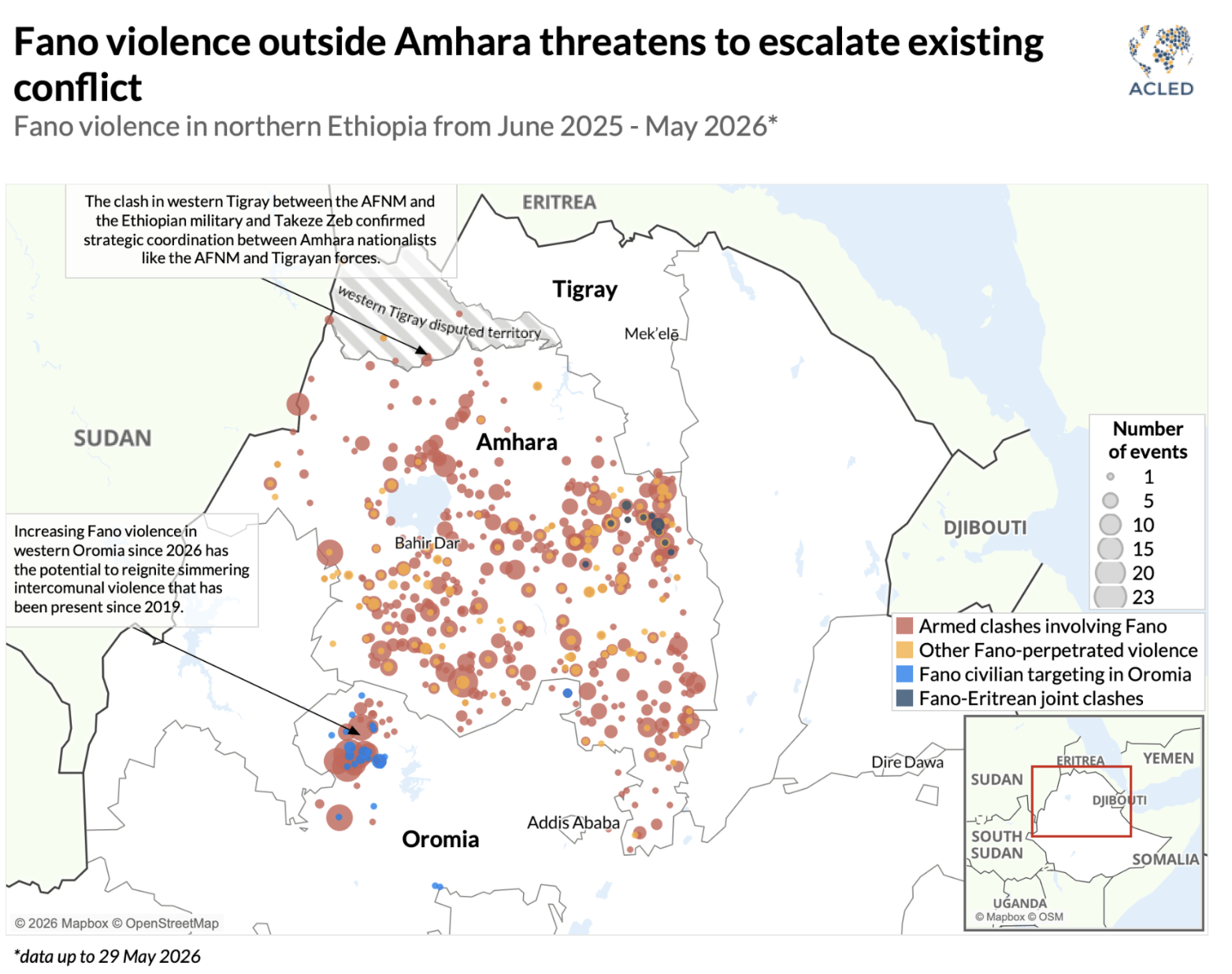
Along the Amhara–Tigray front, the situation remains fluid. Seqota has changed hands repeatedly, as has Waja. TDF and Fano forces are mounting a coordinated assault, while the ENDF appears to be holding on to key defensive positions—barely.
What has changed?
There are many key changes since the fragile and poorly implemented Pretoria agreement ended the 2022 war.
- Perhaps most importantly, the alliance between Prime Minister Abiy and Eritrea’s President Isaias is over. The Prime Minister’s call for the ports of Assab and Massawa to be transferred to Ethiopia – peacefully or by force – ensured that this relationship was at an end. As a result, Eritrean troops are not available to fight along the ENDF. Rather, Eritrea has an alliance with the ruling party in Tigray and had been training and arming Amhara fighters of the Fano.
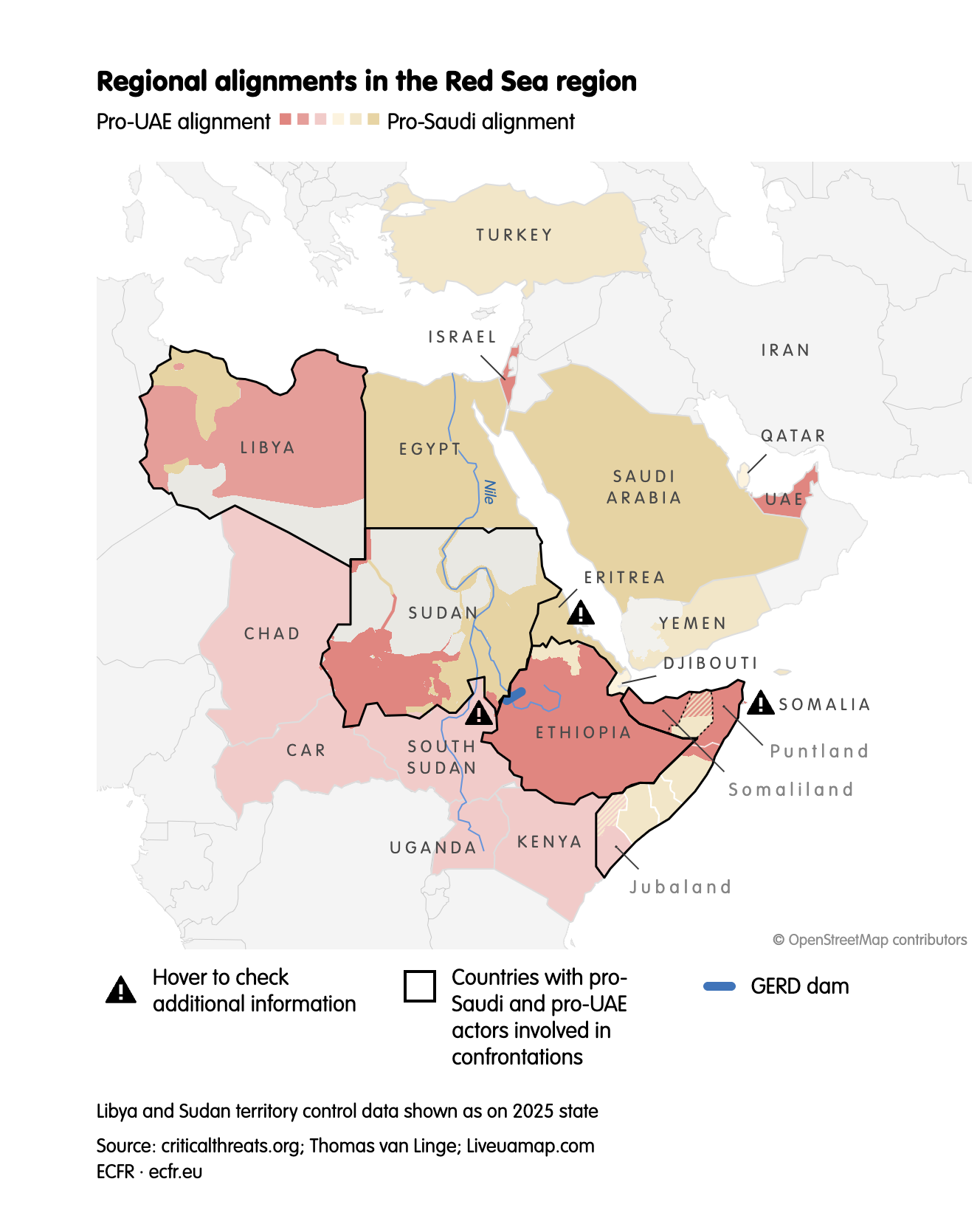
- Instead, two hostile alliances have been created. Eritrea is allied with Egypt, Saudi Arabia and the Sudanese Armed Forces. Ethiopia is allied with the UAE and the Sudanese RSF, led by Hemedti. The UAE flies arms and personnel into Western Ethiopia where the RSF is provided with training and a rear base. Turkey is loosely allied with Eritrea and the SAF, while various Somali regions are allied with both sides.
- Tigray has been divided. Some – like Debretsion Gebremichael – have taken control of the region, while others, including Getachew Reda, have sided with the Ethiopian Prime Minister. Caught between them are the mass of the Tigray people, who have been subjected to conscription. Many young Tigrayans have fled to avoid being called up. Some have paid to avoid conscription. Those within the TPLF leadership, including Tadesse Werede, who are said to have opposed the return to war, have been rounded up and arrested.
- Tigrayans are currently largely cut off from the outside world. The TPLF seized the key airports at the start of the conflict, probably to prevent a repetition of the 2020 war, when Ethiopian commandos flew into Mekelle to try to assassinate the Tigrayan leadership. The TPLF have also cut most telecoms and and closed banks. Some phone lines remain open at present, but it is not clear for how long this will continue.
- Tigray has allied itself with six other movements that are pledged to remove Prime Minister Abiy and form a new Ethiopian government. The allies are: Amhara Fano National Movement (AFNM), Oromo Liberation Army (OLF-OLA), Tigray People’s Liberation Front (TPLF), Ogaden National Liberation Front (ONLF), Afar National Unity Revolutionary Front (Ugugumo), Benishangul People’s Liberation Movement (BPLM), Gumuz People’s Democratic Movement (GPDM)
How closely they are aligned is not clear, but at least three (Tigray, Afar and Amhara) say they are co-ordinating their military strategy.
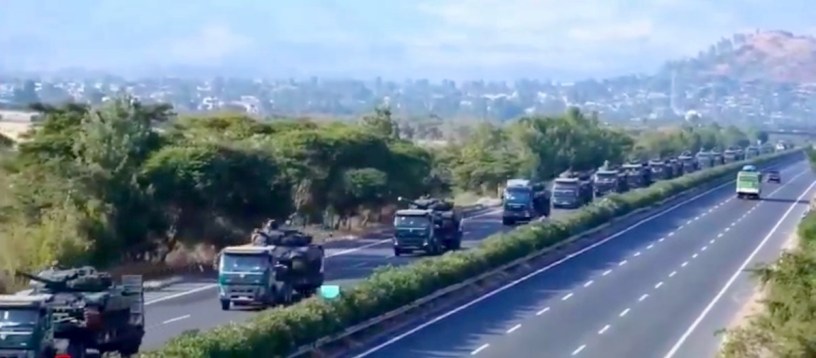
- On the Ethiopian side, long lines of trucks with heavy weaponry have been seen moving northwards towards the fronts. Conscripts have been mobilised and drawn away from the existing conflicts in the Oromo and Amhara, which have been under way for many months.
- Ethiopia has accused Eritrea and Sudan of involving themselves in the current conflict, without providing details.
- The United States and European Union have issued statements, largely supportive of the Ethiopian government. They deal with Prime Minister Abiy’s administration as a legitimate government, while treating the Tigrayans and others as ‘rebels’.
- The 2026 Ethiopian elections were deeply flawed and do not represent a democratic endorsement. The Tigrayans have also held elections, which were also flawed. Neither can currently be described as legitimate, even though they are both the effective rulers of the areas they control.


A well researched and informative article. The travel advice issued to its citizens by most EU countries and the USA, which essentially, advises against all travel to Ethiopia, except Addis,is confirmation that the country is embroiled in another civil war.
Interesting analysis
Thank you!
Why do you think this topic is, like Myanmar and Nigeria or Sudan, is so under-represented and under-reported compared to the Israel-Hamas War and the Russia-Ukraine War? Despite the massacres, prolonged conflict, displacements and genocide, if not on the same level or greater, why has this been so muted in the mainstream media? If independent journalists are blocked from entering these frontlines, why are they so prominent in Gaza or Ukraine for example.
A good question. Probably because the international community (the West and the Arab World) are so invested in the Israel/Palestine question. They are less directly concerned about the other crises.
It is very sad to see our beloved Country on increasing fire, in the hands of genociders. These must stop soon for the sake of local, regional and international peace and progress.
This is just an update, not analysis.
“Along the Amhara–Tigray front, the situation remains fluid. Seqota has changed hands repeatedly, as has Waja. TDF and Fano forces are mounting a coordinated assault, while the ENDF appears to be holding on to key defensive positions—barely.” is NOT true.
Martin – I’ve followed your updates since late 2019. You seem to be heavily biased to TDF/TPLF. I genuinely think you can do a better job. Your TV appearances are balanced and I like them.